
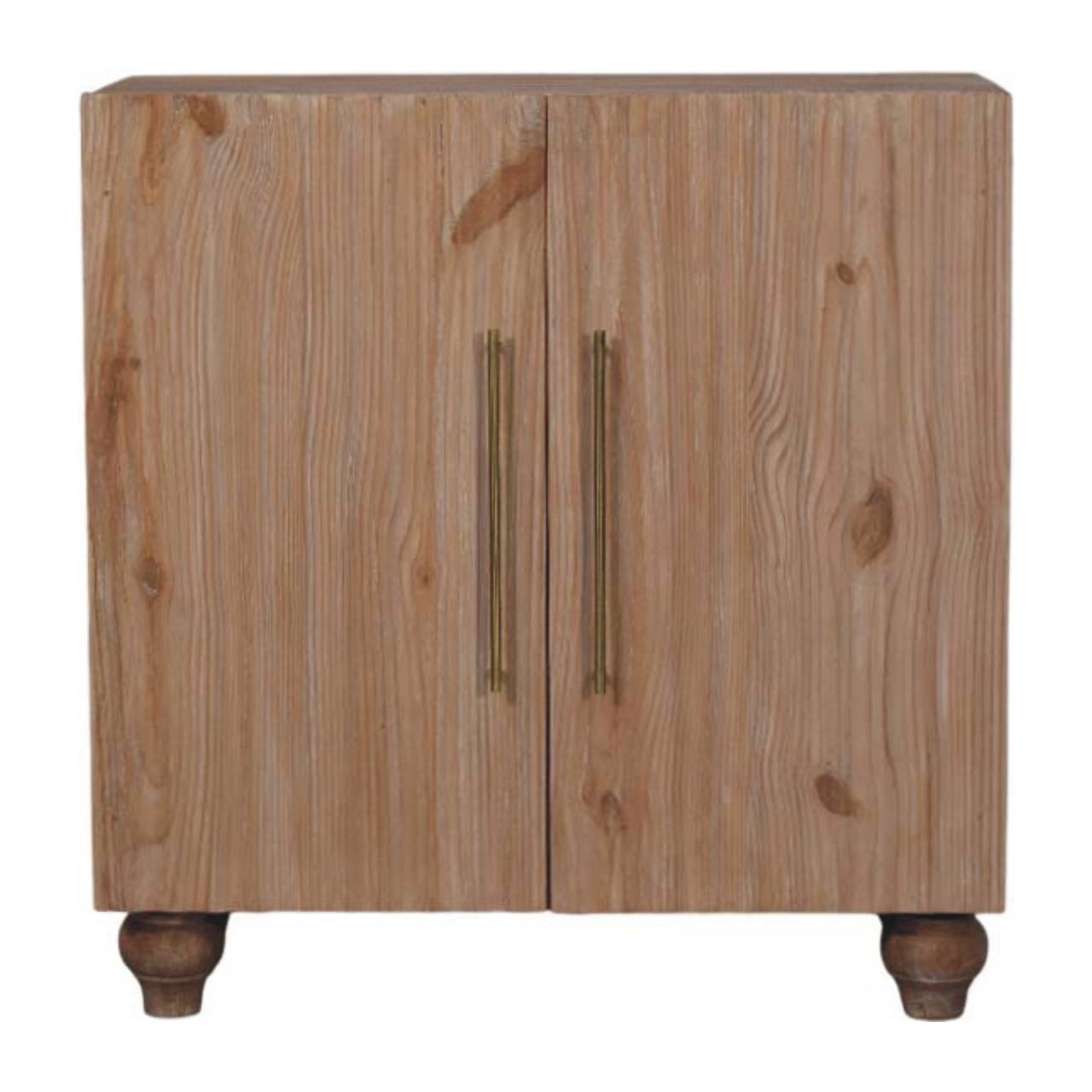
Sandgrain Pine & Mango Sideboard
- Width
- 31.5″
- Depth
- 13.8″
- Height
- 32.7″
To view our trade prices online
Trial our custom options to resize & change finish or upholstery
Bespoke solid wood furniture & FF&E for hospitality and commercial spaces across the U.S. — Est. 1995
Contract Furniture
Environmental considerations are essential for informed decisions in contract furniture procurement.
Comparison
eco-friendly finishes comparison guide helps you choose the best sustainable options for your projects.
Template
lifecycle assessment template for office furnishings helps businesses assess eco-friendly options effectively.
Guide
lifecycle assessment guide for commercial furnishings helps businesses assess eco-friendly options.
Guide
Environmental considerations are increasingly vital in furniture design, influencing both consumer choices and industry standards. As the demand for sustainable practices rises, understanding these factors can significantly impact procurement strategies and overall project success. This report delves into key aspects of sustainability within the furniture sector, focusing on materials, certifications, and lifecycle assessments.
The foundation of sustainable furniture lies in its material selection. Eco-conscious materials such as reclaimed wood or recycled metals reduce environmental impact by minimizing waste and resource extraction. For instance, using reclaimed wood can save approximately 50% more energy compared to new lumber production (Source: U.S. Department of Energy).
Additionally, renewable resources play a crucial role in sustainability. Materials like bamboo grow rapidly and can be harvested without causing significant ecological damage. The use of such resources not only supports environmental health but also aligns with consumer preferences for eco-friendly products.
Materials directly affect the sustainability profile of furniture designs. Sustainable options often include biodegradable components that break down naturally at the end of their lifecycle. For example, natural fibers like hemp or organic cotton offer durability while being environmentally friendly due to their ability to decompose without leaving harmful residues.
Moreover, the sourcing process is critical; it should prioritize local suppliers to reduce transportation emissions associated with long-distance shipping. A study indicates that locally sourced materials can cut carbon footprints by up to 30%, making them an essential consideration for any green building initiative (Source: EPA).
Certifications serve as benchmarks for assessing a product's environmental performance. Recognized standards such as LEED (Leadership in Energy and Environmental Design) or FSC (Forest Stewardship Council) provide assurance that products meet specific sustainability criteria.
For instance, obtaining a LEED certification involves adhering to rigorous guidelines regarding energy efficiency and resource conservation throughout a project's lifecycle. Projects certified under this program have reported energy savings ranging from 20% to 30% compared to non-certified counterparts (Source: USGBC). Thus, when evaluating furniture options, looking for these certifications ensures compliance with best practices in sustainability.
To effectively incorporate environmental considerations into your procurement strategy:
By implementing these recommendations, you enhance your projects' sustainability while meeting growing consumer demands for responsible design practices.
To view our trade prices online
Trial our custom options to resize & change finish or upholstery

To view our trade prices online
Trial our custom options to resize & change finish or upholstery

To view our trade prices online
Trial our custom options to resize & change finish or upholstery

To view our trade prices online
Trial our custom options to resize & change finish or upholstery

To view our trade prices online
Trial our custom options to resize & change finish or upholstery

To view our trade prices online
Trial our custom options to resize & change finish or upholstery
Trade Consultation
If your project needs solid wood specification support, custom dimensions, or finish samples, request a consultation with our trade team.
To view our trade prices online