
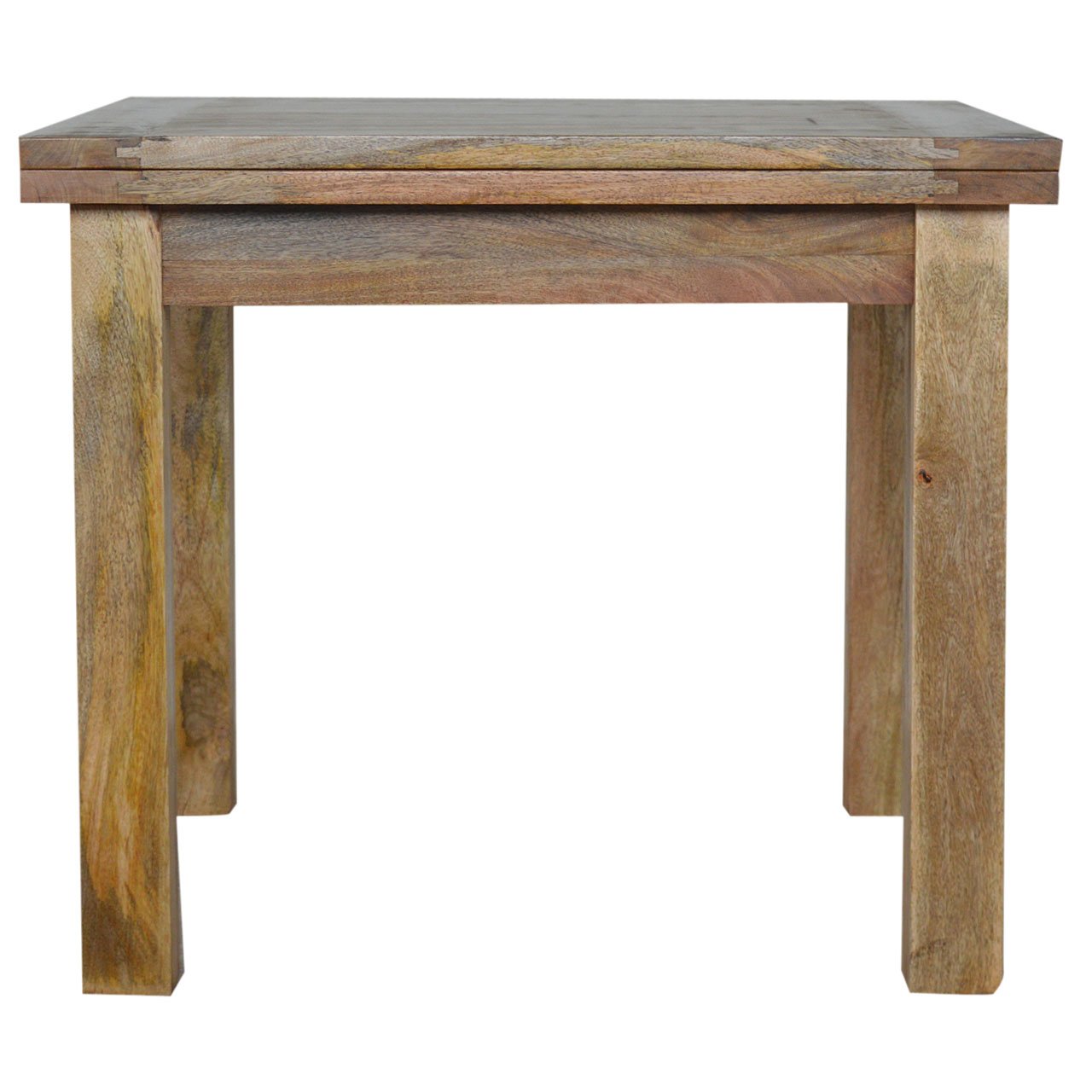
Extendable Butterfly Dining Table
- Width
- 35.4″
- Depth
- 35.4″
- Height
- 30.7″
To view our trade prices online
Trial our custom options to resize & change finish or upholstery
Bespoke solid wood furniture & FF&E for hospitality and commercial spaces across the U.S. — Est. 1995
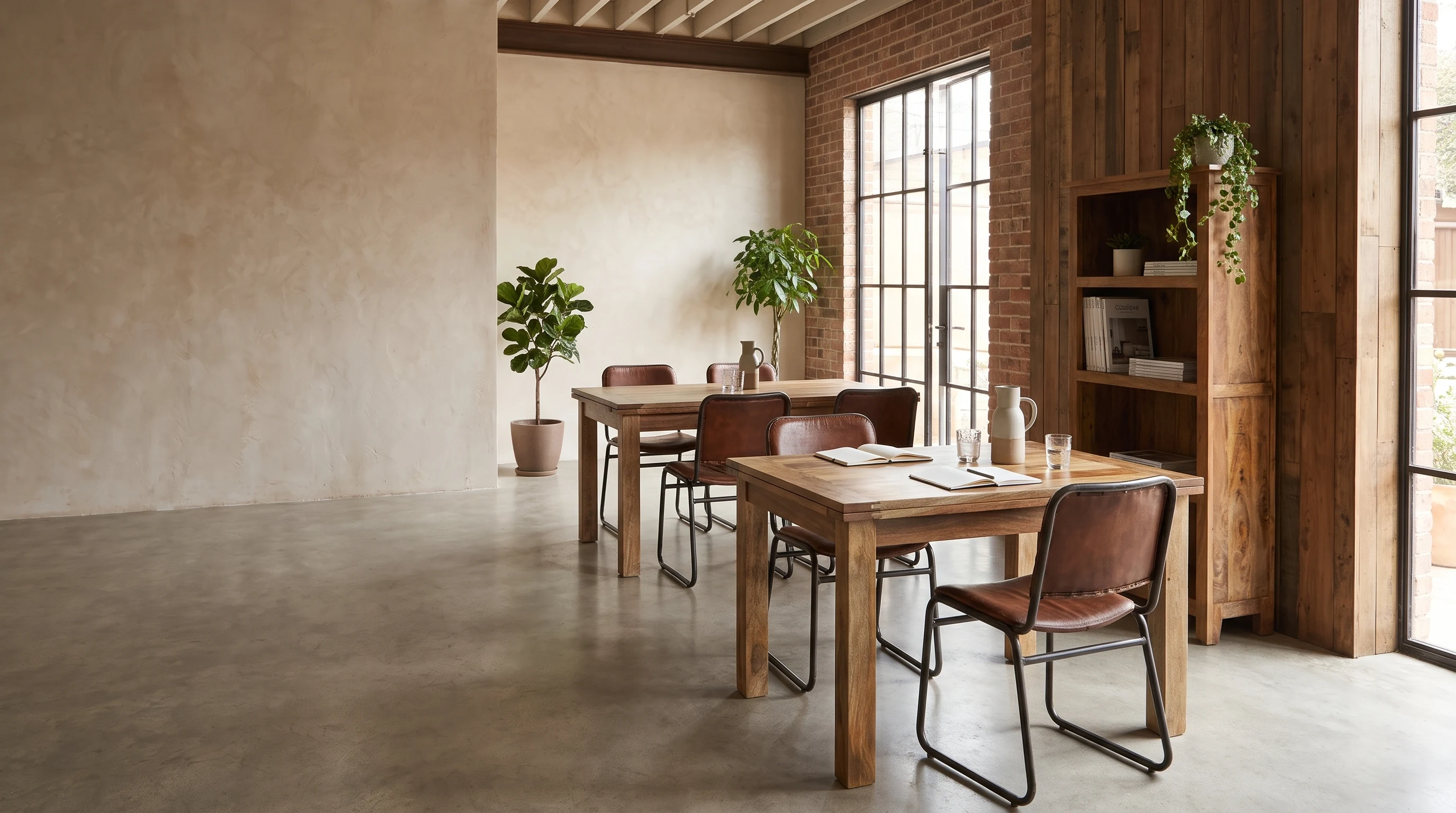
Contract Furniture
Modular systems enhance contract furniture by offering adaptable and efficient solutions.
Comparison
modular system design comparison guide helps you assess various options for contract furniture needs.
Other
cost analysis for modular office setups helps businesses evaluate financial implications of modular designs.
Other
evaluating durability in modular components helps businesses choose reliable furniture solutions.
Guide
Modular systems represent a pivotal shift in furniture design, emphasizing flexibility and adaptability. These systems consist of various components that can be assembled and reconfigured to meet specific needs. This approach is particularly beneficial for environments such as offices and hospitality venues, where space utilization and functionality are paramount.
The demand for modular systems has surged, driven by the need for spaces that can evolve over time. According to a report from IBISWorld, the modular furniture industry is projected to grow at an annual rate of 4.5% through 2026. Understanding the intricacies of these systems enables organizations to make informed decisions tailored to their unique requirements.
Recent trends in furniture design highlight the increasing preference for modular solutions. Designers are focusing on creating versatile pieces that cater to diverse functions while maintaining aesthetic appeal. One notable trend is the integration of sustainable materials into modular designs, which aligns with growing environmental concerns among consumers.
Sustainability not only enhances brand image but also meets regulatory expectations across various sectors. For instance, using recycled or sustainably sourced materials can reduce a company's carbon footprint significantly—by up to 30% in some cases. As companies prioritize eco-friendly options, modular systems offer a practical solution without compromising style or function.
Effective space planning is crucial when implementing modular systems within any environment. These systems allow for efficient layouts that maximize available space while promoting collaboration and productivity among users. The ability to rearrange components easily means spaces can adapt quickly as organizational needs change.
When planning office layouts using modular components, consider factors such as employee workflow patterns and collaborative areas versus private workspaces. Research indicates that well-designed office environments can enhance employee satisfaction by up to 20%, leading directly to increased productivity. Therefore, investing time in thoughtful space planning pays dividends in overall workplace effectiveness.
Modular systems offer distinct advantages compared to traditional furniture solutions. Their inherent flexibility allows organizations to respond swiftly to changing demands without incurring significant costs associated with purchasing new furnishings each time adjustments are necessary.
One key benefit lies in customization; businesses can select individual modules tailored specifically for their operational needs rather than settling for one-size-fits-all products. Furthermore, many manufacturers provide options for integrating technology seamlessly into these designs—enhancing user experience while maintaining sleek aesthetics.
Additionally, studies show that workplaces employing adaptable furniture arrangements report higher levels of employee engagement—a critical factor contributing positively towards retention rates. Thus, choosing modular solutions not only addresses immediate spatial challenges but also fosters long-term organizational growth.
A variety of modular system types exist catering specifically toward different applications:
Each type serves distinct purposes yet shares common traits—adaptability and efficiency—making them suitable across multiple industries including education and healthcare settings.
When juxtaposed against traditional furniture options:
This comparison underscores why more organizations are gravitating towards adopting these innovative approaches within their facilities today.
Organizations should evaluate their current workspace dynamics critically before transitioning fully into modular systems adoption strategies. Begin by assessing existing layouts against desired outcomes regarding collaboration levels or privacy requirements among staff members—this ensures alignment between chosen configurations & overarching goals effectively driving success metrics forward over time!
Engagement surveys could serve as valuable tools here; understanding employee sentiment aids decision-making processes significantly enhancing buy-in post-transition phases too! Ultimately embracing this modern approach positions firms favorably amidst competitive landscapes fostering innovation-driven cultures throughout operations consistently yielding positive results continually!
To view our trade prices online
Trial our custom options to resize & change finish or upholstery

To view our trade prices online
Trial our custom options to resize & change finish or upholstery
To view our trade prices online
Trial our custom options to resize & change finish or upholstery

To view our trade prices online
Trial our custom options to resize & change finish or upholstery

To view our trade prices online
Trial our custom options to resize & change finish or upholstery
To view our trade prices online
Trial our custom options to resize & change finish or upholstery
Trade Consultation
If your project needs solid wood specification support, custom dimensions, or finish samples, request a consultation with our trade team.
To view our trade prices online