

Key Takeaway
A comprehensive lifecycle assessment consists of four main phases: goal definition and scope, inventory analysis, impact assessment, and interpretation.
Understanding the Lifecycle Assessment Template for Office Furnishings
The lifecycle assessment template for office furnishings serves as a structured approach to evaluate the environmental impacts associated with furniture throughout its entire lifecycle. This process encompasses everything from raw material extraction and manufacturing to usage and eventual disposal. By employing this template, organizations can make informed decisions that enhance sustainability while aligning with industry standards.
Lifecycle assessments (LCAs) are increasingly relevant in the context of sustainable design and procurement, particularly within the FF&E (Furniture, Fixtures, and Equipment) sector. According to a report by the Environmental Protection Agency (EPA), businesses that adopt sustainable practices can reduce their operational costs by up to 30% over time through efficient resource management. Thus, understanding how to conduct an LCA is essential for any organization aiming to integrate eco-friendly principles into their procurement strategies.
Key Components of Lifecycle Assessments
A comprehensive lifecycle assessment consists of four main phases: goal definition and scope, inventory analysis, impact assessment, and interpretation. Each phase plays a critical role in ensuring that all potential environmental impacts are considered.
Goal Definition and Scope: This initial phase involves establishing what you aim to achieve with the LCA. It includes defining system boundaries—what will be included or excluded—and identifying key stakeholders who will utilize the findings.
Inventory Analysis: The second phase requires compiling data on all inputs and outputs associated with each stage of the product's life cycle. This includes energy consumption during production, transportation emissions, maintenance requirements during use, and waste generated at end-of-life.
Impact Assessment: Here, you analyze how these inputs affect various environmental factors such as greenhouse gas emissions or resource depletion. Tools like ISO 14040 provide frameworks for quantifying these impacts effectively.
Interpretation: Finally, interpreting results allows decision-makers to understand implications clearly and identify areas where improvements can be made in future projects or purchases.
By systematically addressing each component of an LCA using a structured template, organizations can gain valuable insights into their procurement processes.
Benefits of Using Lifecycle Assessments
Implementing lifecycle assessments yields numerous benefits beyond mere compliance with regulations or standards like LEED (Leadership in Energy and Environmental Design). For instance:
Enhanced Decision-Making: LCAs provide quantitative data that supports strategic choices regarding materials selection based on sustainability metrics.
Cost Savings: As mentioned earlier, companies adopting sustainable practices often experience substantial cost reductions over time due to improved efficiency.
Market Differentiation: Organizations demonstrating commitment to sustainability may attract environmentally conscious clients or customers who prioritize eco-friendly products when making purchasing decisions.
These advantages underscore why integrating lifecycle assessments into your procurement strategy is not just beneficial but necessary for long-term success in today's market landscape.
Common Challenges in Conducting Lifecycle Assessments
While there are clear benefits associated with conducting lifecycle assessments for office furnishings, several challenges often arise during implementation:
Data Availability: One significant hurdle is obtaining accurate data across all stages of a product’s life cycle; many manufacturers lack transparency regarding their supply chains.
Complexity of Analysis: The multifaceted nature of LCAs means they require specialized knowledge which may not always be readily available within an organization’s existing team structure.
Resource Allocation: Conducting thorough LCAs demands time and financial resources that some organizations may find challenging to justify against immediate operational needs.
Addressing these challenges involves investing in training staff members on LCA methodologies while also fostering relationships with suppliers committed to providing transparent information about their products’ environmental impacts.
Relevant Trade Services
Frequently Asked Questions
Related Guides in Environmental Considerations
Relevant Trade Products
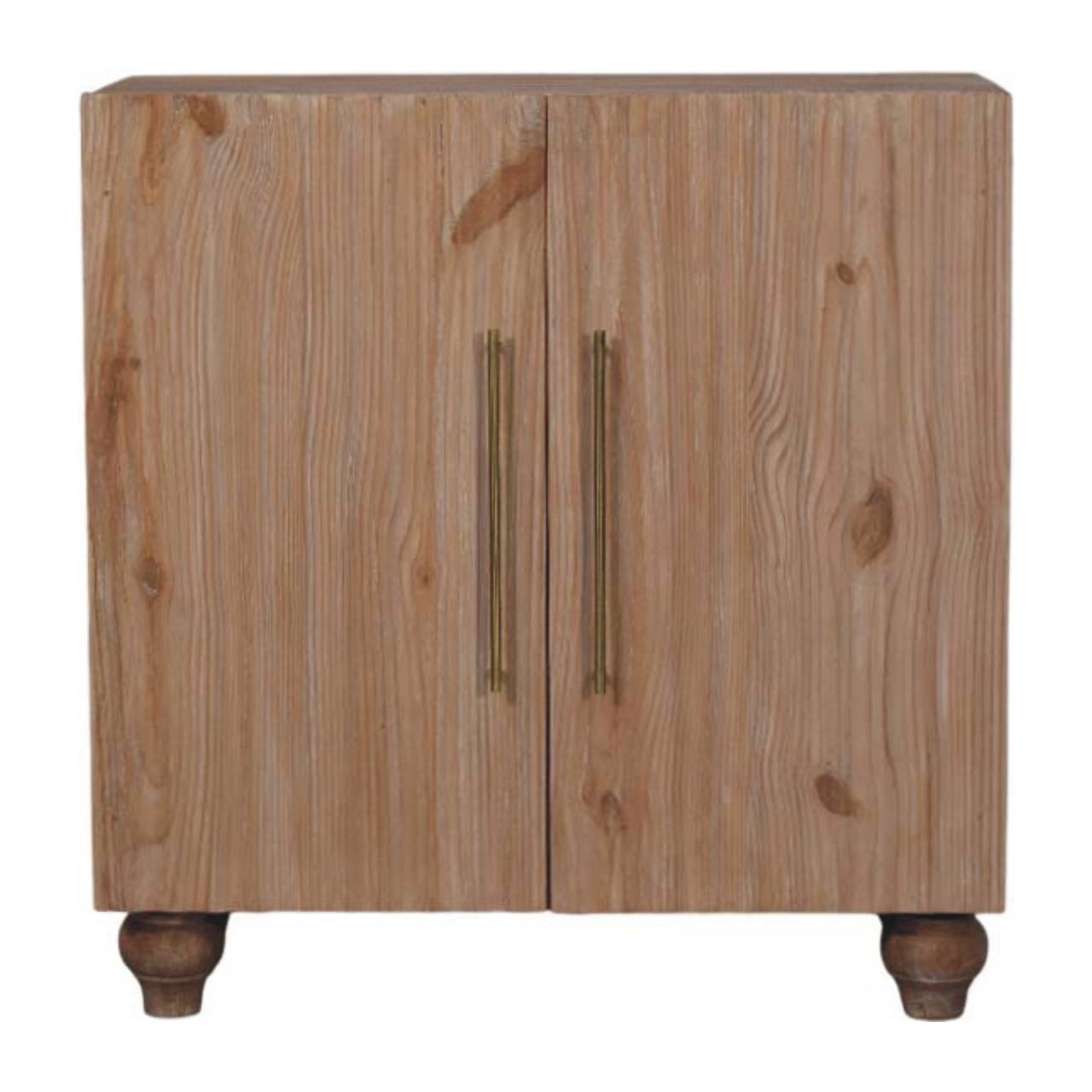
Sandgrain Pine & Mango Sideboard
- Width
- 31.5″
- Depth
- 13.8″
- Height
- 32.7″
To view our trade prices online
Trial our custom options to resize & change finish or upholstery

Bamboo Writing Desk
- Width
- 33.5″
- Depth
- 17.7″
- Height
- 31.5″
To view our trade prices online
Trial our custom options to resize & change finish or upholstery

Arched Rattan Two-Door Sideboard
- Width
- 29.5″
- Depth
- 13.8″
- Height
- 27.6″
To view our trade prices online
Trial our custom options to resize & change finish or upholstery

Golden Teak Solid Wood Dining Table
- Width
- 35.4″
- Depth
- 35.4″
- Height
- 29.9″
To view our trade prices online
Trial our custom options to resize & change finish or upholstery

Classic Golden Teak Solid Wood Dining Table
- Width
- 70.9″
- Depth
- 35.4″
- Height
- 29.9″
To view our trade prices online
Trial our custom options to resize & change finish or upholstery

Solid Mango 2 Drawer Console
- Width
- 39.4″
- Depth
- 15″
- Height
- 31.5″
To view our trade prices online
Trial our custom options to resize & change finish or upholstery
Trade Consultation
Planning a Hospitality or Commercial Project?
If your project needs solid wood specification support, custom dimensions, or finish samples, request a consultation with our trade team.