
Key Takeaway
lifecycle assessment guide for commercial furnishings helps businesses assess eco-friendly options.
Lifecycle Assessment Guide for Commercial Furnishings
Lifecycle assessments (LCA) are critical tools in evaluating the environmental impacts of commercial furnishings throughout their entire lifespan. This guide will explore the essential components of conducting a lifecycle assessment, focusing on sustainable design practices and eco-friendly materials. By understanding these principles, you can make informed decisions that align with sustainability goals while ensuring compliance with industry standards.
Understanding Lifecycle Assessments
A lifecycle assessment involves analyzing the environmental effects associated with all stages of a product's life, from raw material extraction to disposal. The process typically follows four main phases: goal and scope definition, inventory analysis, impact assessment, and interpretation. According to ISO 14040 standards, LCAs provide a comprehensive view of how products affect the environment over time (Source: ISO 14040).
The importance of LCAs lies in their ability to quantify resource use and emissions across various phases. For instance, studies indicate that furniture production accounts for approximately 8% of global greenhouse gas emissions (Source: EPA). By assessing these impacts systematically, businesses can identify opportunities for improvement in material sourcing and manufacturing processes.
Key Components of Lifecycle Assessments
Conducting an effective lifecycle assessment requires attention to several key components:
Materials Sourcing: Evaluating the origins and sustainability of materials used in furniture production is vital. Sustainable materials not only reduce environmental impact but also enhance brand reputation among eco-conscious consumers.
Energy Consumption: Analyzing energy usage during manufacturing helps identify areas where efficiency can be improved. Implementing energy-efficient technologies can lead to significant cost savings over time.
Waste Management: Understanding waste generation at each stage allows companies to develop strategies for minimizing waste through recycling or repurposing materials.
By focusing on these aspects within your LCA framework, you can create more responsible products that meet both market demands and regulatory requirements.
Steps Involved in Conducting a Lifecycle Assessment
To conduct a thorough lifecycle assessment effectively, follow these structured steps:
Define Goals and Scope: Clearly outline what you aim to achieve with your LCA—whether it's improving product design or reducing costs associated with waste management.
Inventory Analysis: Collect data on all inputs (materials) and outputs (emissions) related to your furnishings throughout their lifecycle stages.
Impact Assessment: Evaluate potential environmental impacts based on collected data using established metrics such as carbon footprint or water usage.
Interpretation: Analyze results comprehensively to inform decision-making processes regarding product improvements or alternative sourcing strategies.
Each step plays a crucial role in ensuring that your LCA yields actionable insights that drive better business practices aligned with sustainability objectives.
Importance of Sustainability Metrics
Sustainability metrics are essential tools for measuring progress toward environmental goals within commercial furnishing projects. These metrics provide quantifiable data points that help assess whether specific targets are being met over time. For example:
Tracking reductions in carbon emissions per unit produced offers insight into operational efficiency improvements.
Monitoring water usage during production cycles reveals opportunities for conservation efforts which could lead to reduced costs overall.
Implementing robust sustainability metrics enables organizations not only to comply with regulations but also enhances transparency around their environmental performance—an increasingly important factor among stakeholders today (Source: BIFMA).
Relevant Trade Services
Frequently Asked Questions
Related Guides in Environmental Considerations
Relevant Trade Products

Carbon Black Rattan End Table
- Width
- 15.8″
- Depth
- 15.8″
- Height
- 19.7″
To view our trade prices online
Trial our custom options to resize & change finish or upholstery

Mango Hallway Castor Bench
- Width
- 59.1″
- Depth
- 14.2″
- Height
- 20.5″
To view our trade prices online
Trial our custom options to resize & change finish or upholstery
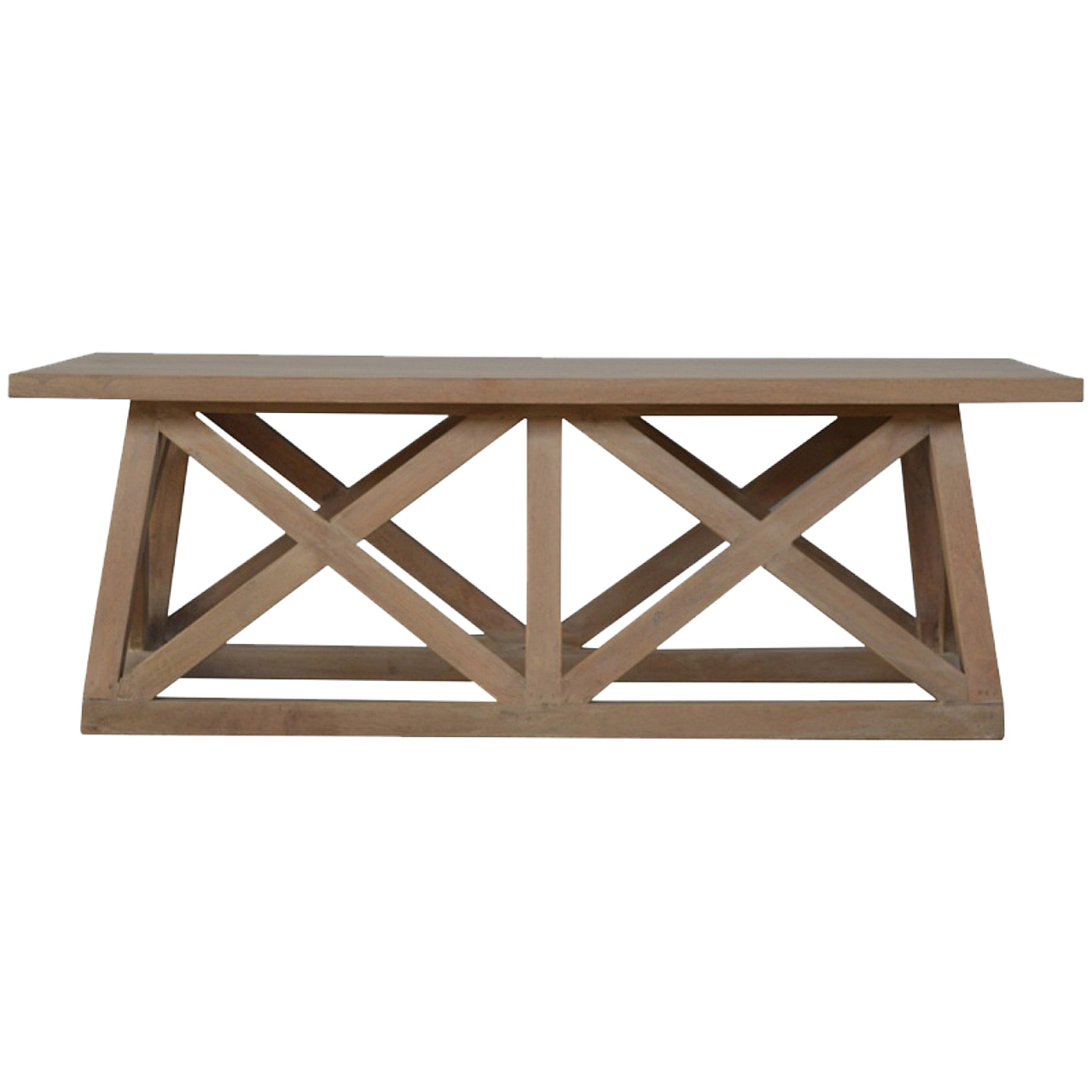
Mango Wood Tristle Coffee Table
- Width
- 47.2″
- Depth
- 23.6″
- Height
- 15.8″
To view our trade prices online
Trial our custom options to resize & change finish or upholstery
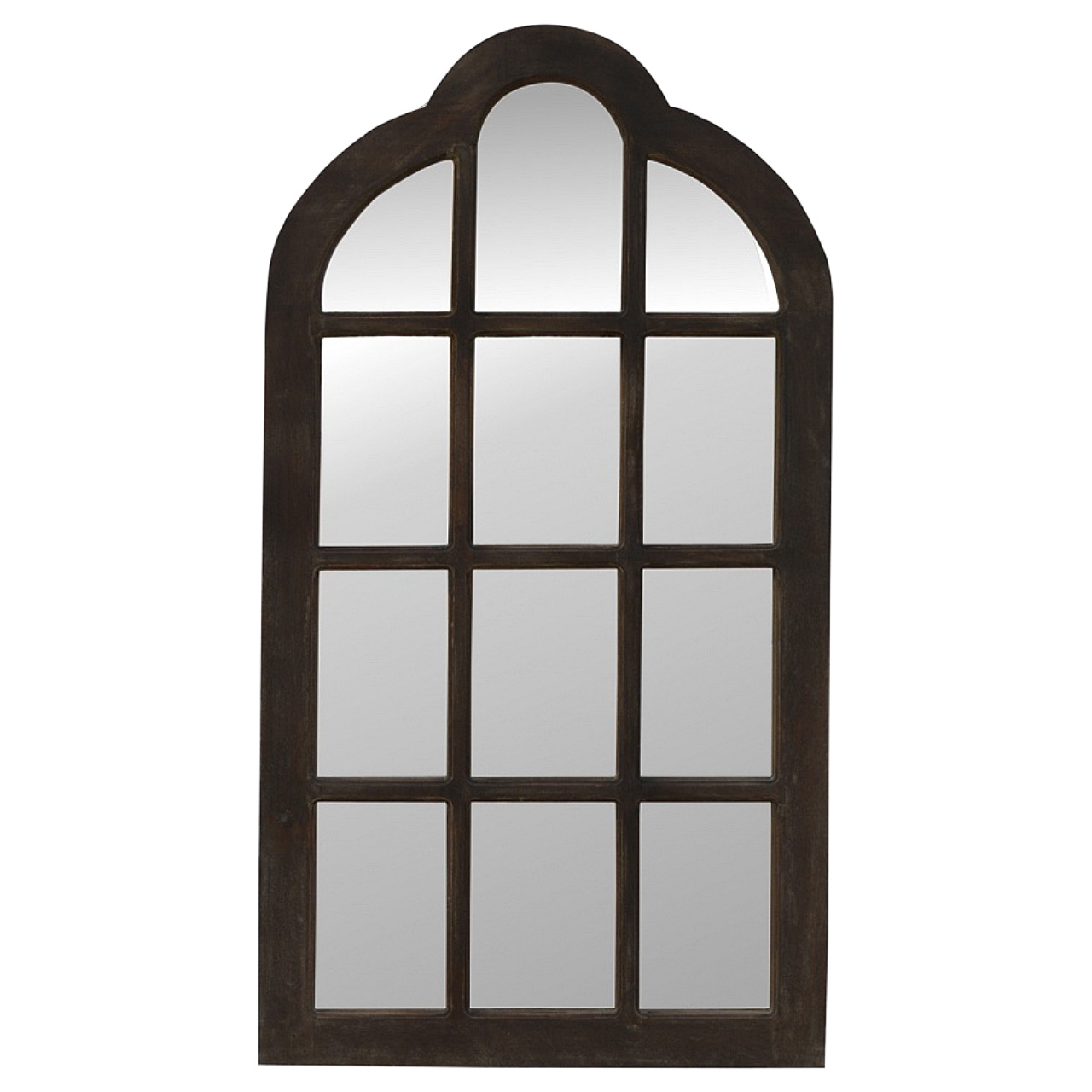
Mango Wood Arch Mirror Frame
- Width
- 43.3″
- Depth
- 23.6″
- Height
- 1.2″
To view our trade prices online
Trial our custom options to resize & change finish or upholstery
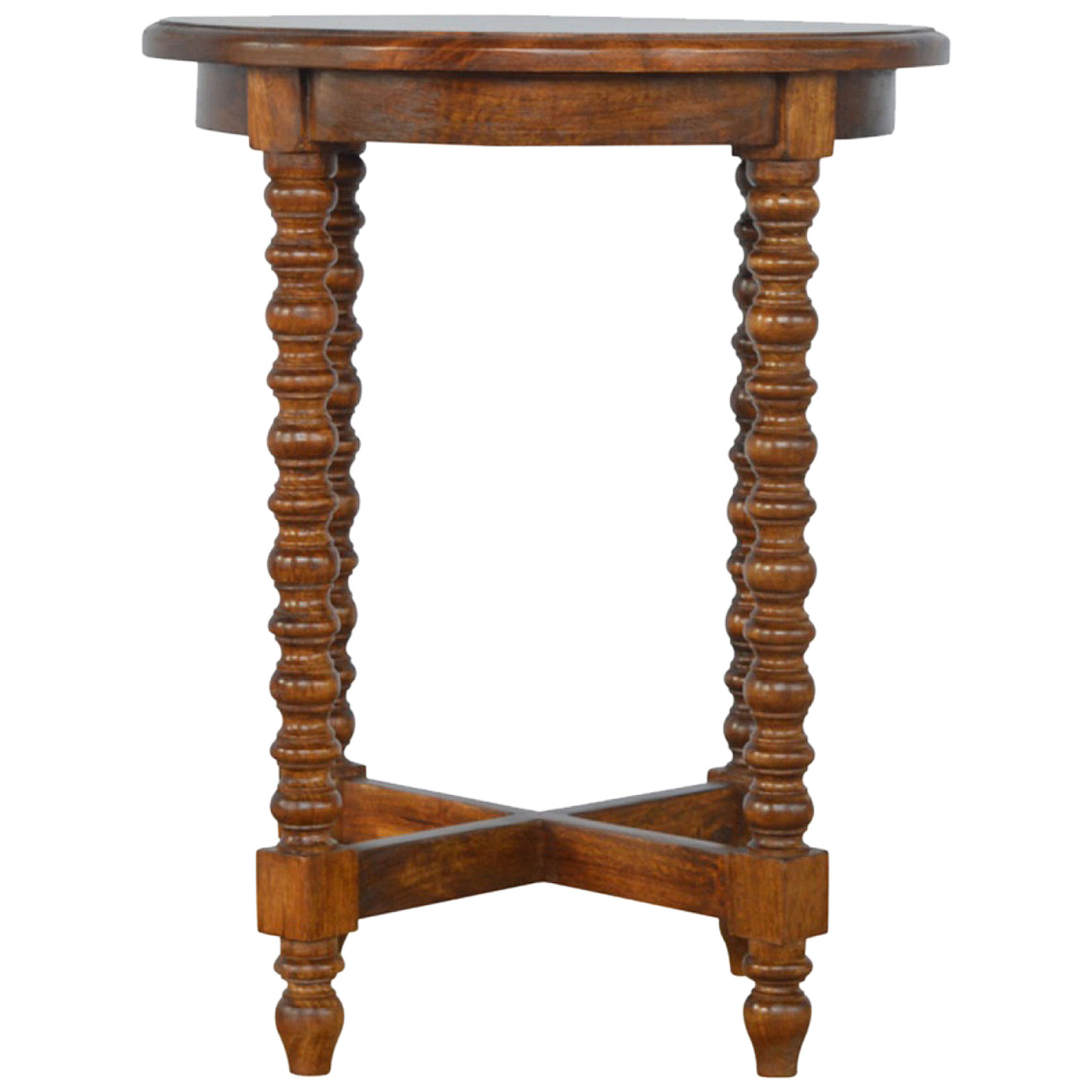
Mango Wood Small Round Tea Table
- Width
- 23.6″
- Depth
- 23.6″
- Height
- 29.9″
To view our trade prices online
Trial our custom options to resize & change finish or upholstery

Reclaimed Cube Media Unit
- Width
- 35.4″
- Depth
- 13.8″
- Height
- 16.5″
To view our trade prices online
Trial our custom options to resize & change finish or upholstery
Trade Consultation
Planning a Hospitality or Commercial Project?
If your project needs solid wood specification support, custom dimensions, or finish samples, request a consultation with our trade team.