
Key Takeaway
eco-friendly finishes comparison guide helps you choose the best sustainable options for your projects.
Eco-Friendly Finishes Comparison Guide
Selecting eco-friendly finishes for furniture and interiors is a critical decision in the realm of sustainable design. As environmental concerns continue to rise, understanding the various options available can significantly impact both aesthetic choices and ecological footprints. This guide aims to provide a comprehensive overview of eco-friendly finishes, helping you make informed decisions that align with your sustainability goals.
Sustainable Design: Understanding Eco-Friendly Finishes
Eco-friendly finishes refer to coatings and treatments used on furniture that minimize negative environmental impacts. These finishes are typically made from natural or renewable resources, contain low volatile organic compounds (VOCs), and meet stringent environmental standards. The use of such materials not only reduces harmful emissions but also promotes healthier indoor air quality.
The market for eco-friendly products has expanded considerably; a report by Grand View Research indicates that the global green building materials market is expected to reach $1 trillion by 2027, growing at a CAGR of 11.2%. This growth reflects an increasing consumer demand for sustainable options across various sectors, including furniture manufacturing.
Evaluating Sustainable Finishes: Key Considerations
When selecting sustainable finishes, it is essential to evaluate several factors that contribute to their overall effectiveness and suitability for your project. First, consider the composition of the finish itself—water-based paints and natural oils often present lower toxicity levels compared to traditional solvent-based alternatives. Additionally, look for certifications from reputable organizations like Green Seal or Forest Stewardship Council (FSC), which ensure compliance with rigorous environmental standards.
Another important aspect is durability; an effective finish should withstand wear while maintaining its appearance over time. For instance, water-based polyurethane offers excellent durability without compromising safety standards due to its low VOC content. According to studies conducted by the EPA, using low-VOC paints can reduce indoor air pollution levels significantly.
Benefits of Green Finishes: A Comparative Overview
Choosing green finishes comes with numerous advantages beyond mere aesthetics. Environmentally friendly coatings often enhance indoor air quality by reducing harmful emissions associated with traditional products. Furthermore, many eco-conscious consumers are willing to pay a premium for sustainably sourced materials; research suggests that up to 73% of consumers prefer brands committed to sustainability.
In terms of performance metrics, eco-friendly finishes can exhibit comparable or superior qualities when compared against conventional options. For example, plant-based stains not only offer rich colors but also allow wood surfaces to breathe naturally without trapping moisture underneath—a common issue with synthetic coatings.
Types of Eco-Friendly Finishes
- Water-Based Finishes: These include paints and sealants designed primarily using water as a solvent instead of harsh chemicals.
- Low-VOC Paints: Formulated specifically to emit fewer volatile organic compounds during application.
- Natural Oils: Derived from plants; they penetrate wood surfaces effectively while providing protection without toxic additives.
- Plant-Based Stains: Offer vibrant hues derived from natural sources rather than synthetic dyes.
Each type presents unique benefits tailored toward specific applications within furniture design and construction projects.
How To Choose Sustainable Finishes: Practical Steps
To select appropriate eco-friendly finishes for your project:
- Assess compatibility with existing materials—ensure chosen products adhere well without adverse reactions.
- Review technical data sheets provided by manufacturers; these documents detail application methods and drying times.
- Consult experts in sustainable design who can provide insights into emerging trends in environmentally friendly coatings.
By following these steps diligently, you will be better positioned to choose high-quality sustainable options aligned with both aesthetic preferences and ecological values.
Relevant Trade Services
Frequently Asked Questions
Related Guides in Environmental Considerations
Relevant Trade Products
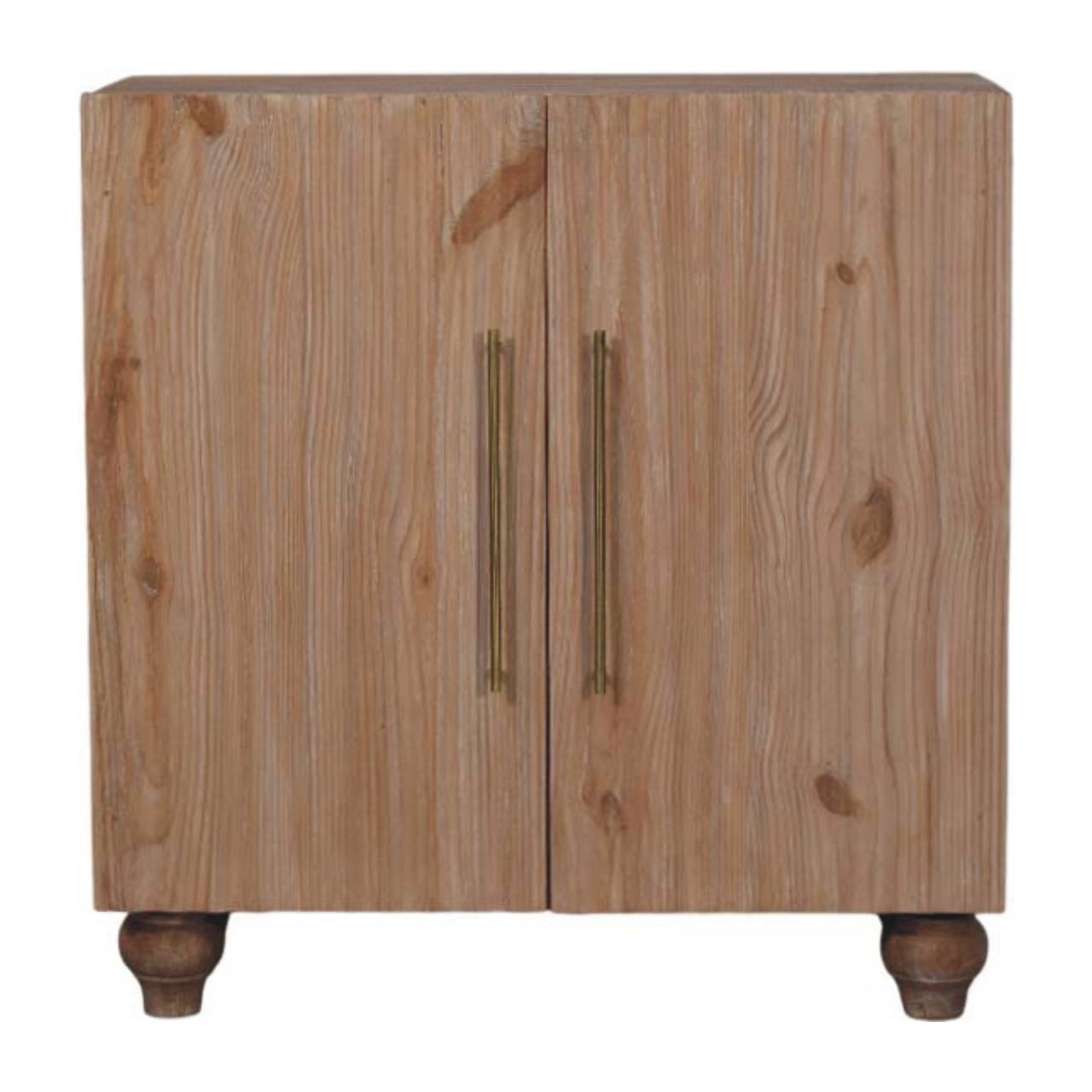
Sandgrain Pine & Mango Sideboard
- Width
- 31.5″
- Depth
- 13.8″
- Height
- 32.7″
To view our trade prices online
Trial our custom options to resize & change finish or upholstery

Bamboo Writing Desk
- Width
- 33.5″
- Depth
- 17.7″
- Height
- 31.5″
To view our trade prices online
Trial our custom options to resize & change finish or upholstery

Arched Rattan Two-Door Sideboard
- Width
- 29.5″
- Depth
- 13.8″
- Height
- 27.6″
To view our trade prices online
Trial our custom options to resize & change finish or upholstery

Golden Teak Solid Wood Dining Table
- Width
- 35.4″
- Depth
- 35.4″
- Height
- 29.9″
To view our trade prices online
Trial our custom options to resize & change finish or upholstery

Classic Golden Teak Solid Wood Dining Table
- Width
- 70.9″
- Depth
- 35.4″
- Height
- 29.9″
To view our trade prices online
Trial our custom options to resize & change finish or upholstery

Mango Wood Side Table
- Width
- 23.6″
- Depth
- 23.6″
- Height
- 23.6″
To view our trade prices online
Trial our custom options to resize & change finish or upholstery
Trade Consultation
Planning a Hospitality or Commercial Project?
If your project needs solid wood specification support, custom dimensions, or finish samples, request a consultation with our trade team.