

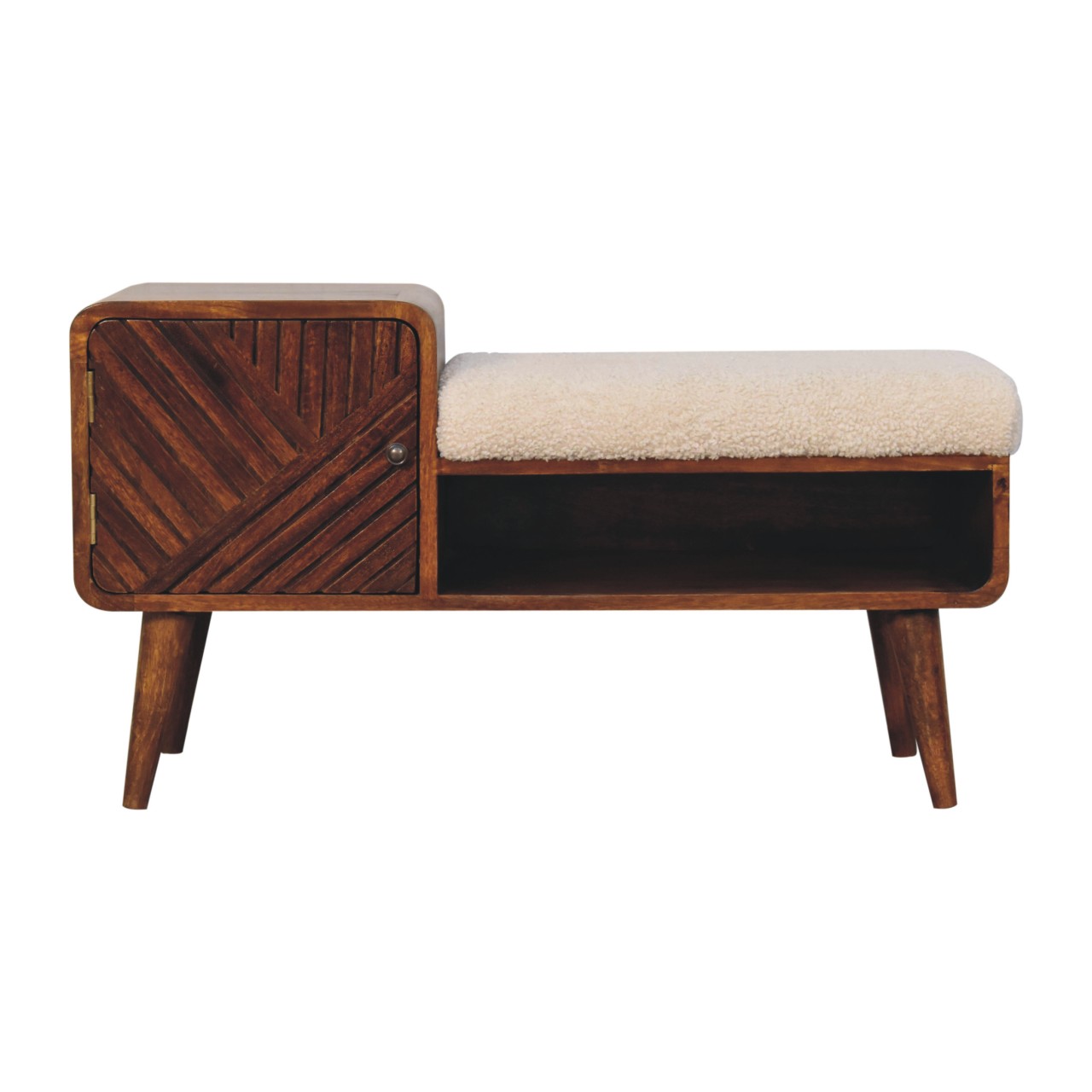
Boucle Carved Telephone Table
- Width
- 35.4″
- Depth
- 13.8″
- Height
- 19.7″
To view our trade prices online
Trial our custom options to resize & change finish or upholstery
Bespoke solid wood furniture & FF&E for hospitality and commercial spaces across the U.S. — Est. 1995
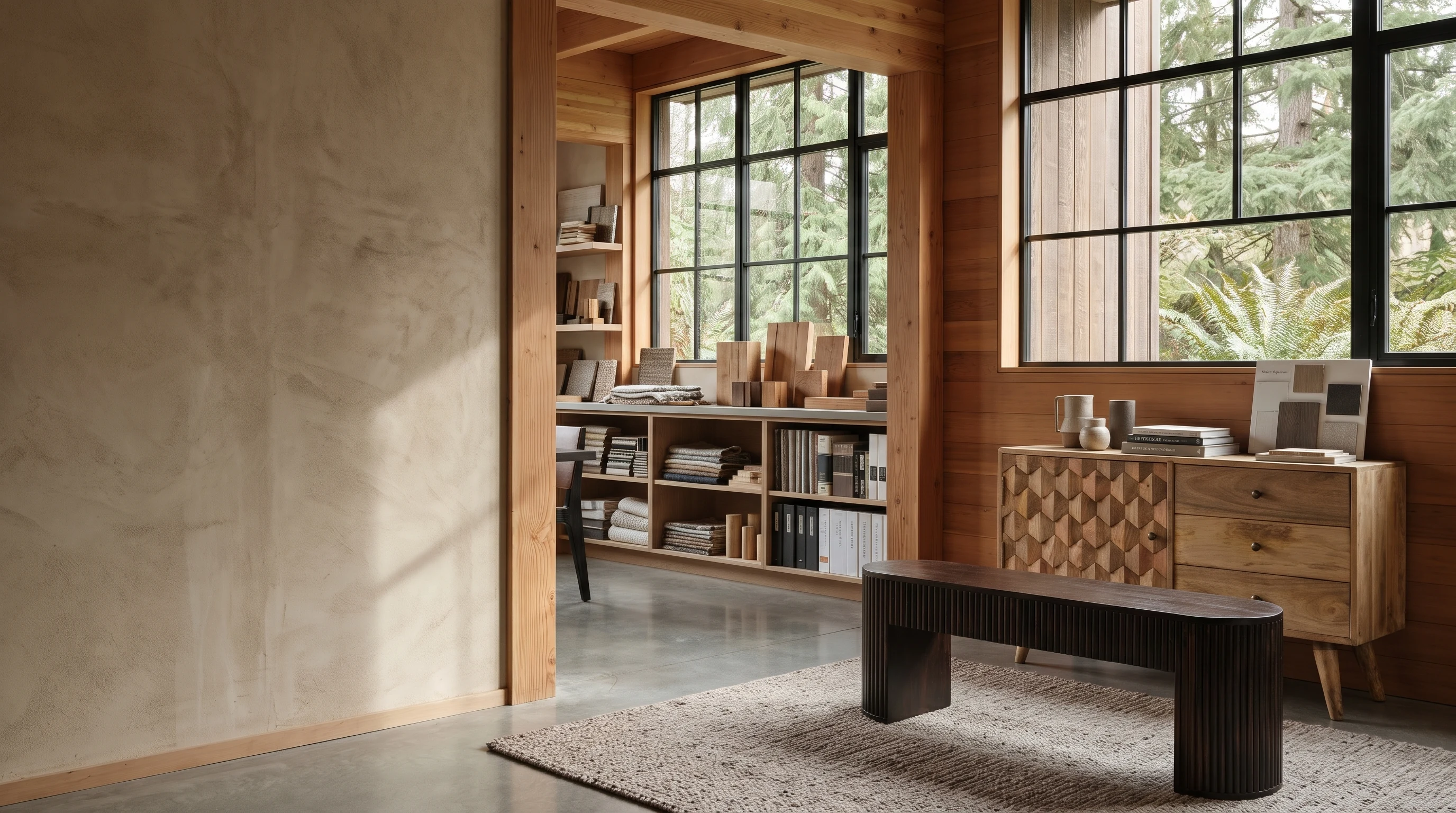
Custom Furniture
Material selection influences the quality and style of custom furniture, guiding design choices.
Troubleshooting
troubleshooting common issues with fabric selection provides insights into resolving fabric challenges in custom furniture.
Guide
steps to assess material costs versus quality guide decision-making in material selection.
Guide
Material selection is a critical aspect of furniture design, influencing not only the aesthetic appeal but also the durability and functionality of the final product. Choosing the right materials requires an understanding of various factors, including performance metrics, cost implications, and sustainability considerations. This report delves into key findings regarding material options and their properties to aid in informed decision-making.
The primary categories of materials used in furniture construction include wood, metal, fabric, and composite materials. Each type possesses unique characteristics that affect its suitability for different applications.
Wood remains one of the most popular choices due to its natural beauty and versatility. Solid wood varieties such as oak or maple offer exceptional durability with proper care; they can last decades or even generations when maintained correctly (Source: Woodworking Network). However, it is essential to consider factors like grain patterns and finishes that can influence both aesthetics and maintenance requirements.
Metal offers a modern alternative with high strength-to-weight ratios. Materials such as steel or aluminum are often utilized for their robustness and resistance to wear. For instance, powder-coated steel frames provide excellent corrosion resistance while maintaining a sleek appearance (Source: Journal of Materials Science). The choice between metals should factor in environmental conditions where the furniture will be placed.
Fabric selections introduce another layer of complexity in material selection. Upholstery fabrics vary widely in terms of durability ratings measured by abrasion tests (Martindale rub test). For example, synthetic fibers like polyester may exhibit higher stain resistance compared to natural fibers like cotton (Source: Textile Research Journal). Understanding these differences helps ensure longevity while meeting aesthetic goals.
Composite materials combine elements from various sources to enhance performance characteristics. Engineered woods like plywood or MDF (medium-density fiberboard) deliver stability at lower costs than solid wood alternatives; however, they may lack some traditional appeal (Source: Forest Products Journal). Assessing how composites fit within your design vision versus budget constraints is crucial during material selection.
Several criteria must guide your material selection process beyond mere aesthetics or initial costs. These include durability expectations based on usage scenarios, environmental impact assessments related to sourcing practices, and compatibility with existing designs within spaces such as hospitality venues or commercial projects.
Durability plays a pivotal role when selecting materials intended for heavy use environments—like restaurants or hotels—where wear-and-tear rates are substantially higher than residential settings. According to industry standards outlined by ASTM International's testing protocols on furnishings' mechanical properties (e.g., load-bearing capacities), specific thresholds dictate suitable choices tailored toward expected lifespans under typical operational conditions (Source: ASTM International).
Sustainability considerations increasingly shape consumer preferences today; thus evaluating eco-friendly options becomes paramount during material selection discussions. Certifications such as LEED (Leadership in Energy and Environmental Design) indicate compliance with sustainable building practices through responsible sourcing techniques that minimize ecological footprints throughout production cycles (Source: U.S Green Building Council).
Compatibility also warrants attention since integrating new pieces into established designs necessitates thoughtful alignment across styles without sacrificing functionality—a challenge best addressed early on through collaborative planning sessions involving designers alongside procurement teams familiarized with available market offerings.
To optimize your approach towards effective material selection processes:
By adhering closely to these recommendations grounded upon empirical evidence derived from industry insights combined with practical experience gained over years working directly within FF&E procurement landscapes will yield favorable results aligning both functional needs alongside aesthetic aspirations effectively realized across diverse projects undertaken moving forward!
To view our trade prices online
Trial our custom options to resize & change finish or upholstery

To view our trade prices online
Trial our custom options to resize & change finish or upholstery
To view our trade prices online
Trial our custom options to resize & change finish or upholstery

To view our trade prices online
Trial our custom options to resize & change finish or upholstery
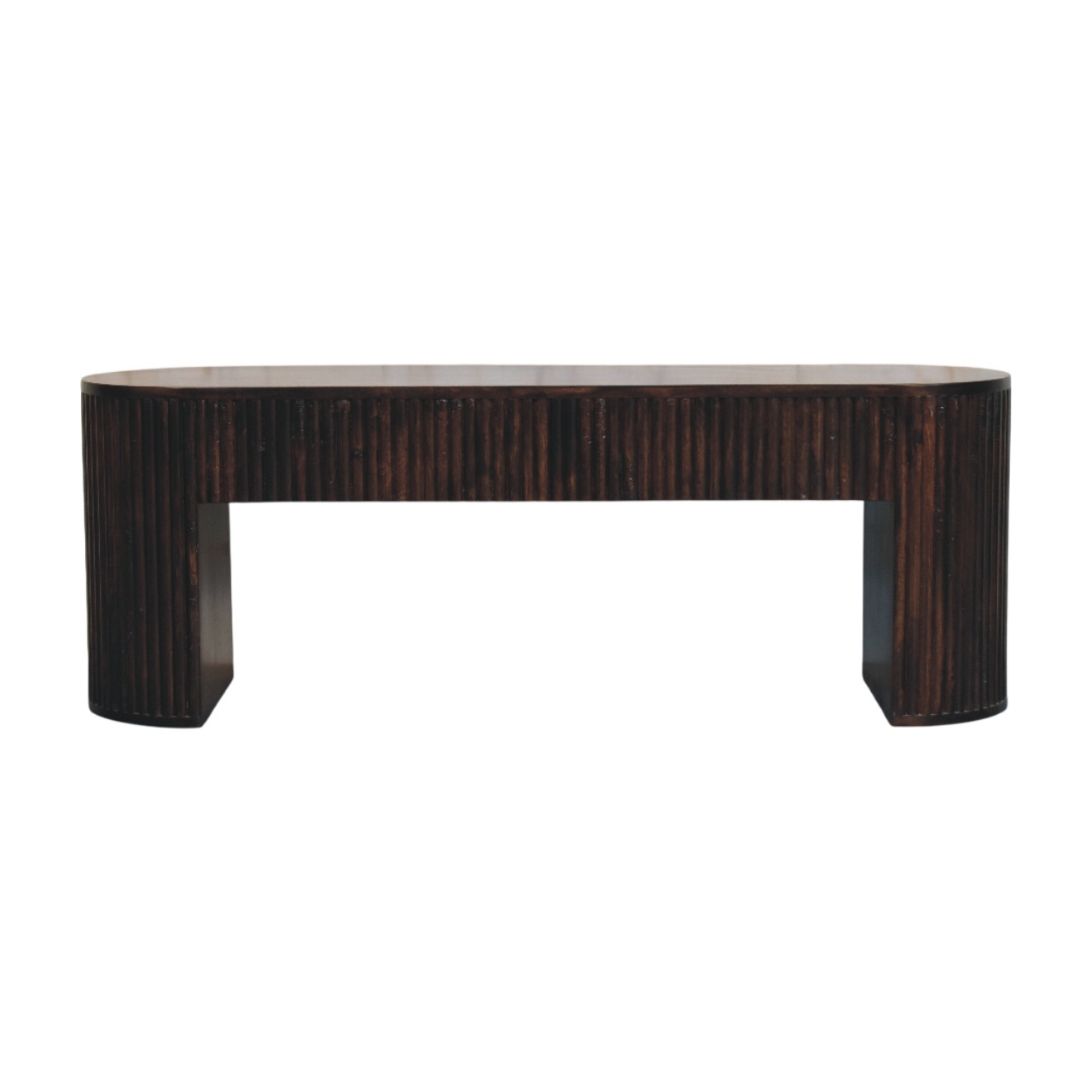
To view our trade prices online
Trial our custom options to resize & change finish or upholstery
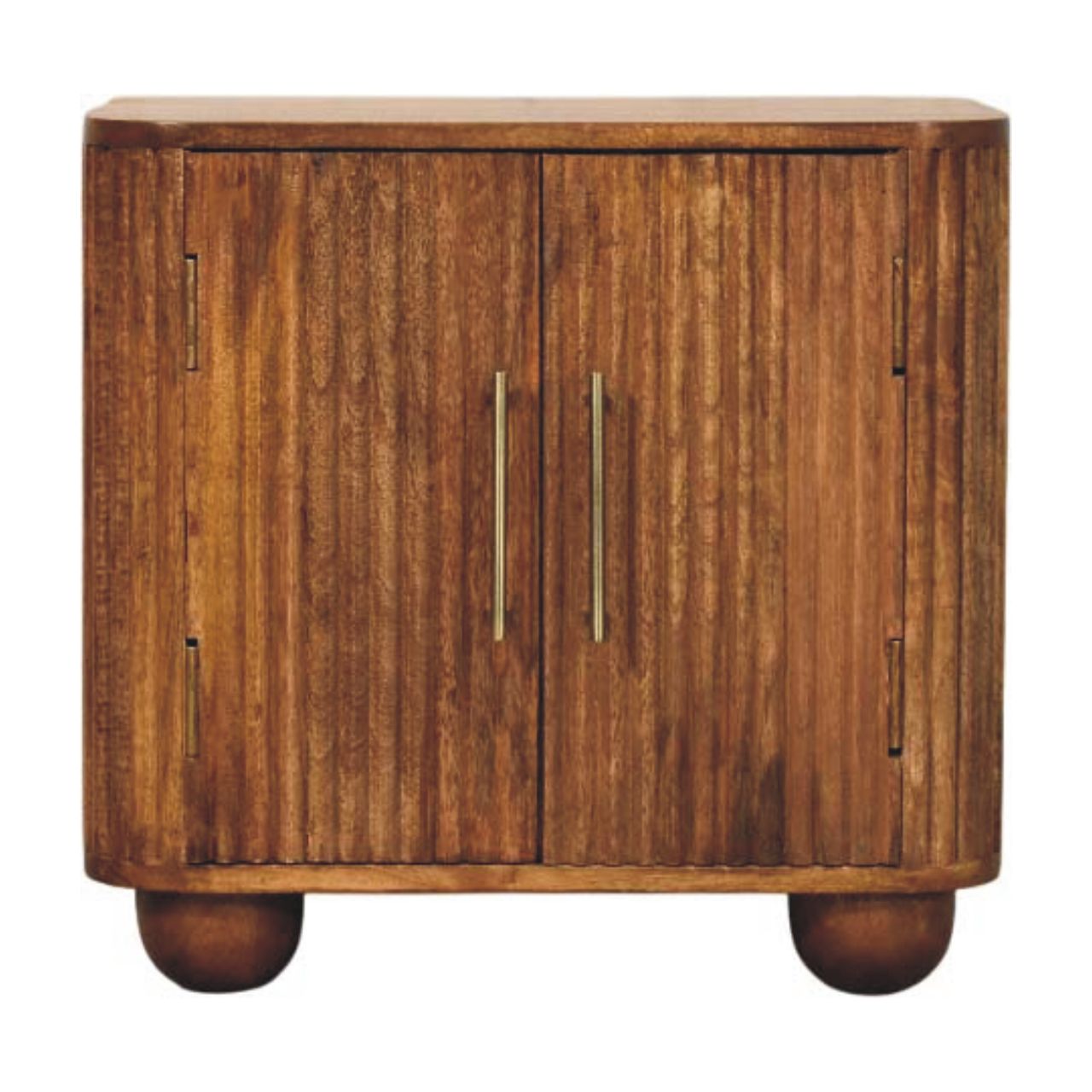
To view our trade prices online
Trial our custom options to resize & change finish or upholstery
Trade Consultation
If your project needs solid wood specification support, custom dimensions, or finish samples, request a consultation with our trade team.
To view our trade prices online