

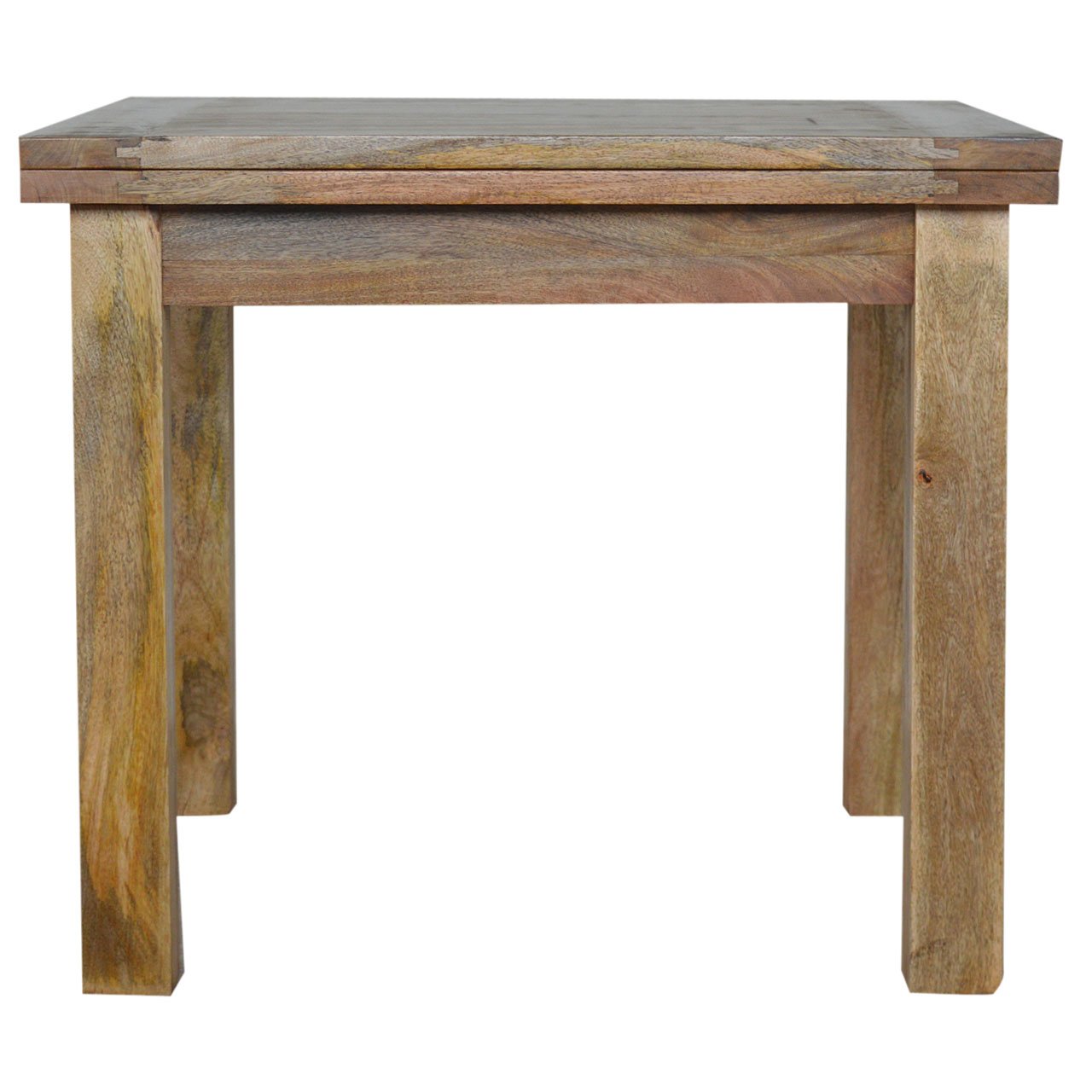
Granary Extension Dining Table
- Width
- 65″
- Depth
- 35.4″
- Height
- 29.9″
To view our trade prices online
Trial our custom options to resize & change finish or upholstery
Bespoke solid wood furniture & FF&E for hospitality and commercial spaces across the U.S. — Est. 1995
Custom Furniture
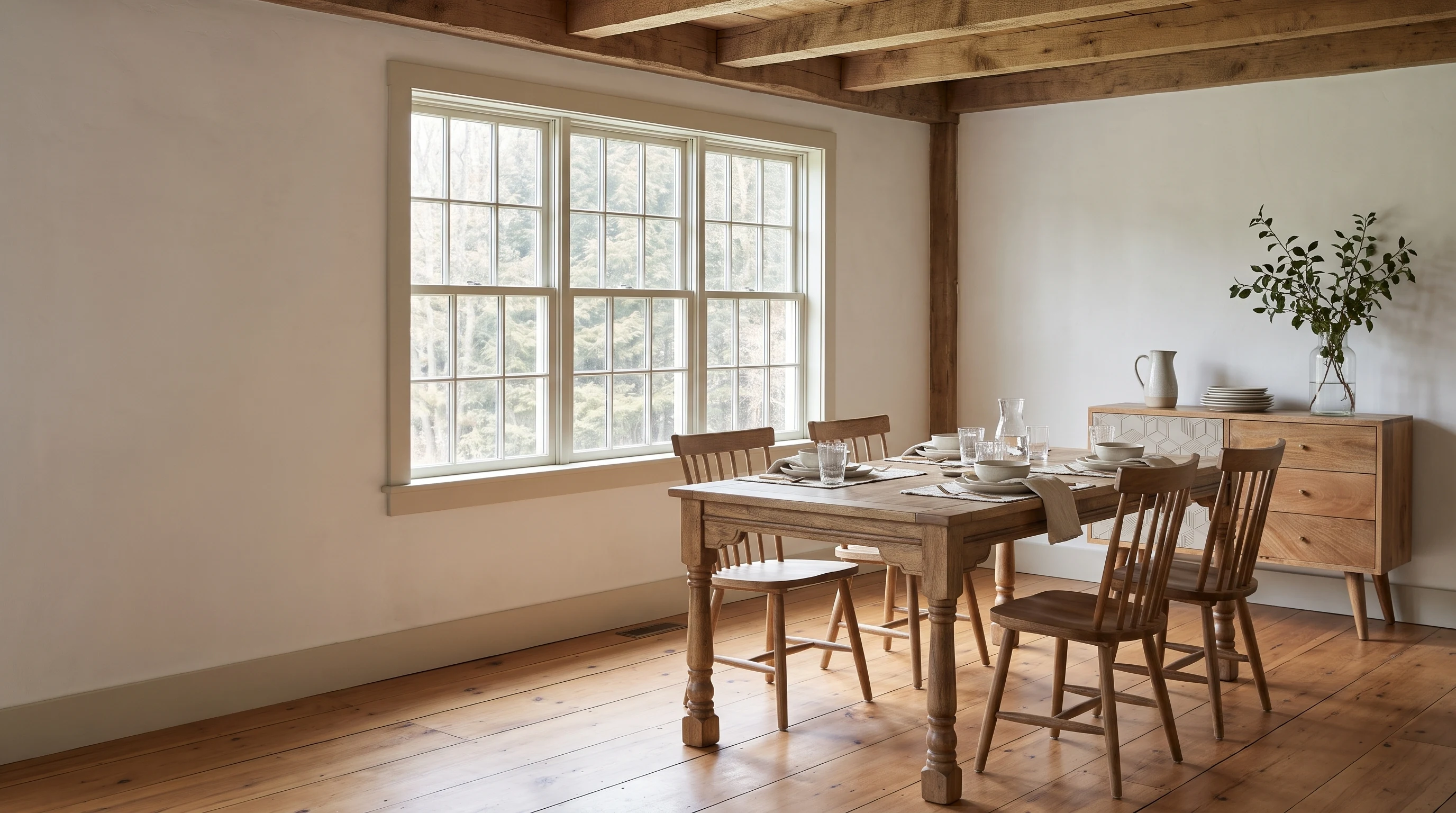
Handcrafted techniques offer unique solutions for custom furniture that elevate design aesthetics.
Guide
step-by-step guide to crafting custom tables that enhance your interior design projects.
Comparison
Comparison of joinery techniques for custom pieces provides insights into various methods and their applications.
Other
selecting sustainable materials for handcrafted designs enhances quality and sustainability.
Guide
guide to customizing dimensions in handcrafted projects to enhance your design process.
Guide
Handcrafted techniques are essential to the creation of unique, high-quality furniture. These methods emphasize artisanal craftsmanship and bespoke design, setting them apart from mass production. By focusing on traditional woodworking practices, artisans can produce pieces that not only serve functional purposes but also enhance aesthetic appeal.
The significance of handcrafted techniques lies in their ability to create furniture that reflects individual style and quality standards. Unlike mass-produced items, which often compromise on materials and craftsmanship for efficiency, handcrafted pieces utilize superior materials and meticulous attention to detail. This results in furniture that is not only durable but also showcases the artisan's skills and creativity.
One primary advantage of handcrafted techniques is the level of customization they offer. Artisans can tailor each piece to meet specific client needs or preferences, ensuring a perfect fit for any space. According to a survey conducted by Fine Woodworking Magazine, 78% of consumers prefer custom-made furniture due to its unique qualities.
Additionally, handcrafted furniture often employs sustainable practices by using locally sourced materials. This approach reduces environmental impact while supporting local economies. For example, solid-wood options are frequently chosen over engineered wood products because they provide greater longevity and less susceptibility to wear over time.
Handcrafted techniques differ significantly from mass production methods in several key areas: material selection, labor intensity, and overall quality control. While mass-produced furniture relies heavily on automated processes and lower-grade materials to minimize costs, handcrafted items prioritize quality over quantity.
For instance, artisans may use advanced wood joinery methods—such as dovetail joints—which enhance structural integrity compared to standard screws or nails used in factory settings. A study by the National Wood Flooring Association indicates that properly executed joinery can extend the lifespan of wooden furniture by up to 30%.
Moreover, the labor involved in creating handmade pieces allows for rigorous quality checks throughout the process. Each stage—from cutting raw materials to final finishing—is overseen by skilled craftsmen who ensure every detail meets high standards.
The choice of materials plays a critical role in defining the character of handcrafted furniture. High-quality hardwoods such as oak, maple, cherry, and walnut are frequently utilized due to their durability and natural beauty. These woods not only contribute strength but also age gracefully over time.
Artisans may also incorporate various finishes that highlight the wood's grain patterns while providing protection against wear and tear. Finishing techniques can include oil-based varnishes or natural oils like tung oil which penetrate deeply into the wood fibers for enhanced durability without compromising aesthetics.
Furthermore, upholstery options often feature premium fabrics or leathers sourced from reputable suppliers who adhere to ethical manufacturing practices. This commitment ensures that every component aligns with sustainable values while delivering exceptional comfort.
To view our trade prices online
Trial our custom options to resize & change finish or upholstery
To view our trade prices online
Trial our custom options to resize & change finish or upholstery

To view our trade prices online
Trial our custom options to resize & change finish or upholstery
To view our trade prices online
Trial our custom options to resize & change finish or upholstery

To view our trade prices online
Trial our custom options to resize & change finish or upholstery
To view our trade prices online
Trial our custom options to resize & change finish or upholstery
Trade Consultation
If your project needs solid wood specification support, custom dimensions, or finish samples, request a consultation with our trade team.
To view our trade prices online