
Key Takeaway
steps to assess material costs versus quality guide decision-making in material selection.
Steps to Assess Material Costs Versus Quality
Assessing material costs versus quality is a critical process in the procurement of furniture, particularly within the context of FF&E (Furniture, Fixtures, and Equipment) projects. This evaluation not only impacts budgetary considerations but also influences the overall durability and aesthetic appeal of the final product. Understanding how to navigate this assessment can lead to informed decisions that align with both financial constraints and quality expectations.
Evaluating Material Costs
Material costs are influenced by various factors including type, sourcing location, and market demand. For instance, solid wood typically commands higher prices compared to engineered materials due to its durability and aesthetic qualities. According to industry data, solid hardwood can range from $5 to $15 per board foot depending on species and grade (Source: Woodworking Network). Additionally, fluctuations in supply chains can affect pricing; for example, disruptions caused by natural disasters or trade policies may increase costs unexpectedly.
To effectively evaluate material costs, it is essential first to establish a clear budget framework. This involves identifying maximum expenditure limits while considering potential cost overruns associated with premium materials. A detailed cost analysis should include not just initial purchase prices but also long-term maintenance expenses associated with different materials. For instance, while low-cost synthetic fabrics may reduce upfront spending, they often require more frequent replacement than high-quality upholstery options.
Comparing Material Quality
Quality assessment is equally important as it directly correlates with performance metrics such as longevity and user satisfaction. Different materials exhibit varying degrees of wear resistance, ease of maintenance, and environmental impact—factors that must be weighed against their respective costs. High-quality materials like leather or high-grade woods offer superior aesthetics and durability but come at a steeper price point.
When comparing material quality for furniture procurement projects, consider established standards set by organizations such as ASTM International or BIFMA (Business + Institutional Furniture Manufacturers Association). These standards provide benchmarks for evaluating attributes like strength testing results or chemical emissions from finishes (Source: BIFMA). Implementing these criteria into your evaluation process ensures that selected materials meet both safety regulations and performance expectations.
Supplier Evaluation Process
The supplier evaluation process plays a pivotal role in ensuring that chosen materials align with project specifications regarding both cost-effectiveness and quality assurance. Begin by compiling a list of potential suppliers who specialize in the desired material types. Evaluate each supplier based on their track record concerning reliability—this includes delivery timelines as well as adherence to agreed-upon specifications.
It is advisable to request samples from shortlisted suppliers before making bulk purchases; this allows you to assess firsthand the quality of materials being offered. Furthermore, reviewing customer testimonials can provide insights into other buyers' experiences regarding product consistency and service levels over time.
Decision-Making Steps
Effective decision-making hinges on synthesizing information gathered through cost evaluations and quality comparisons along with supplier assessments. Create a scoring system that weighs each criterion according to its importance relative to your project's goals—this could involve assigning numerical values based on budget constraints versus expected lifespan or aesthetic requirements.
Once all relevant data has been collected and analyzed using this scoring system approach, engage stakeholders involved in the project for feedback before finalizing selections. The collaborative nature of this decision-making process helps ensure alignment across various interests while mitigating risks associated with poor material choices.
Relevant Trade Services
Related Guides in Material Selection
Relevant Trade Products
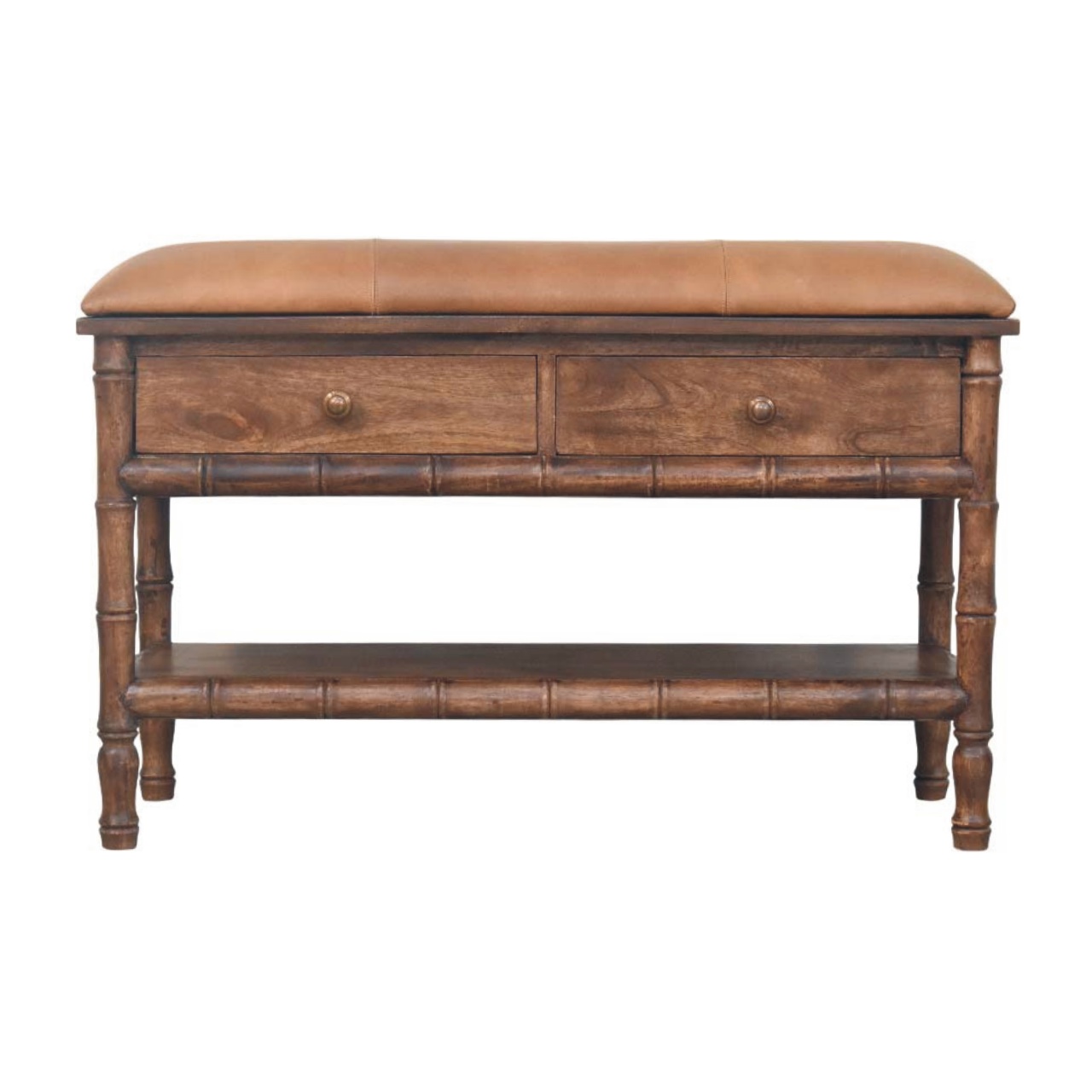
Bamboo Carved Storage
- Width
- 35.4″
- Depth
- 13.8″
- Height
- 21.7″
To view our trade prices online
Trial our custom options to resize & change finish or upholstery
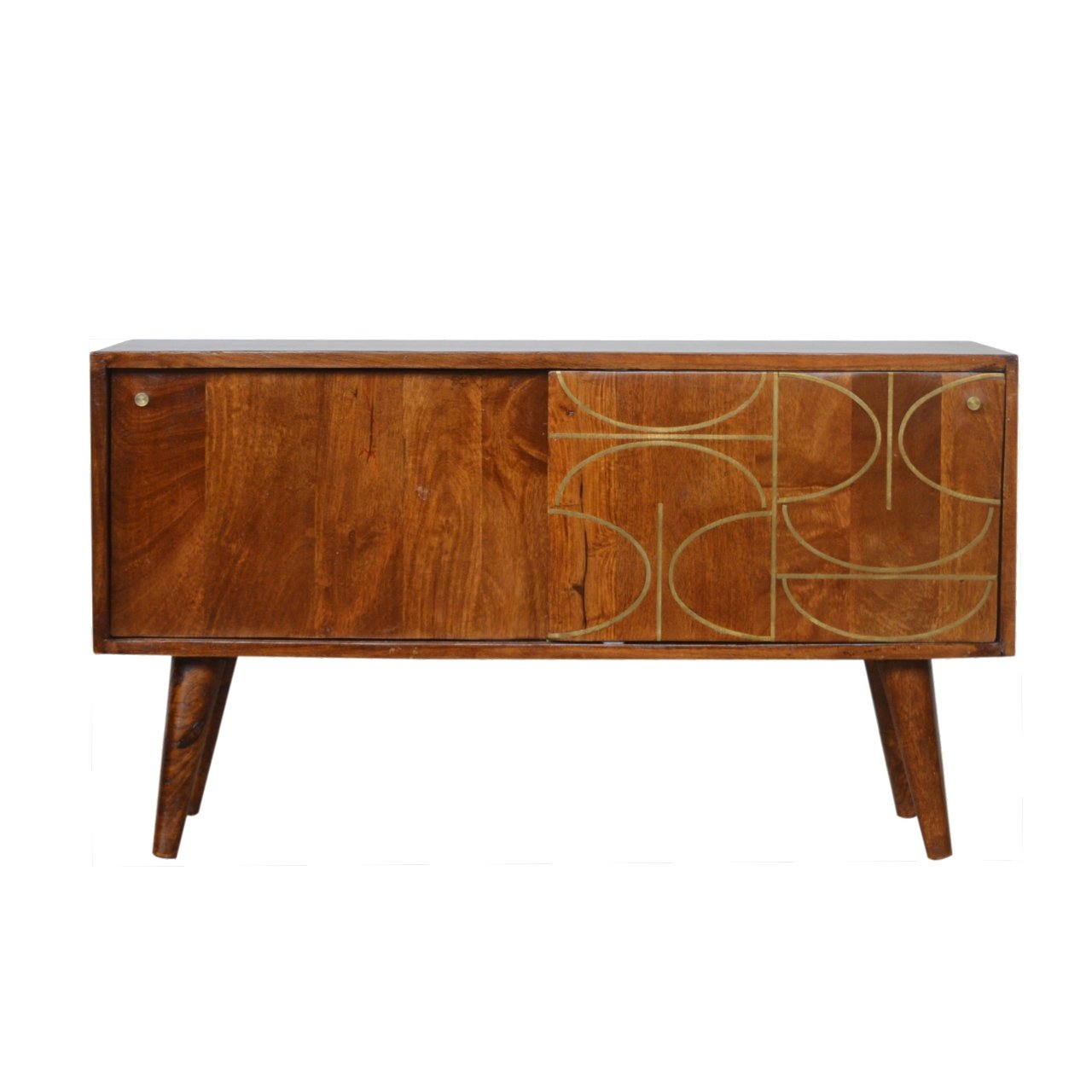
Chestnut Abstract Inlay Sideboard
- Width
- 34.7″
- Depth
- 13.8″
- Height
- 19.3″
To view our trade prices online
Trial our custom options to resize & change finish or upholstery
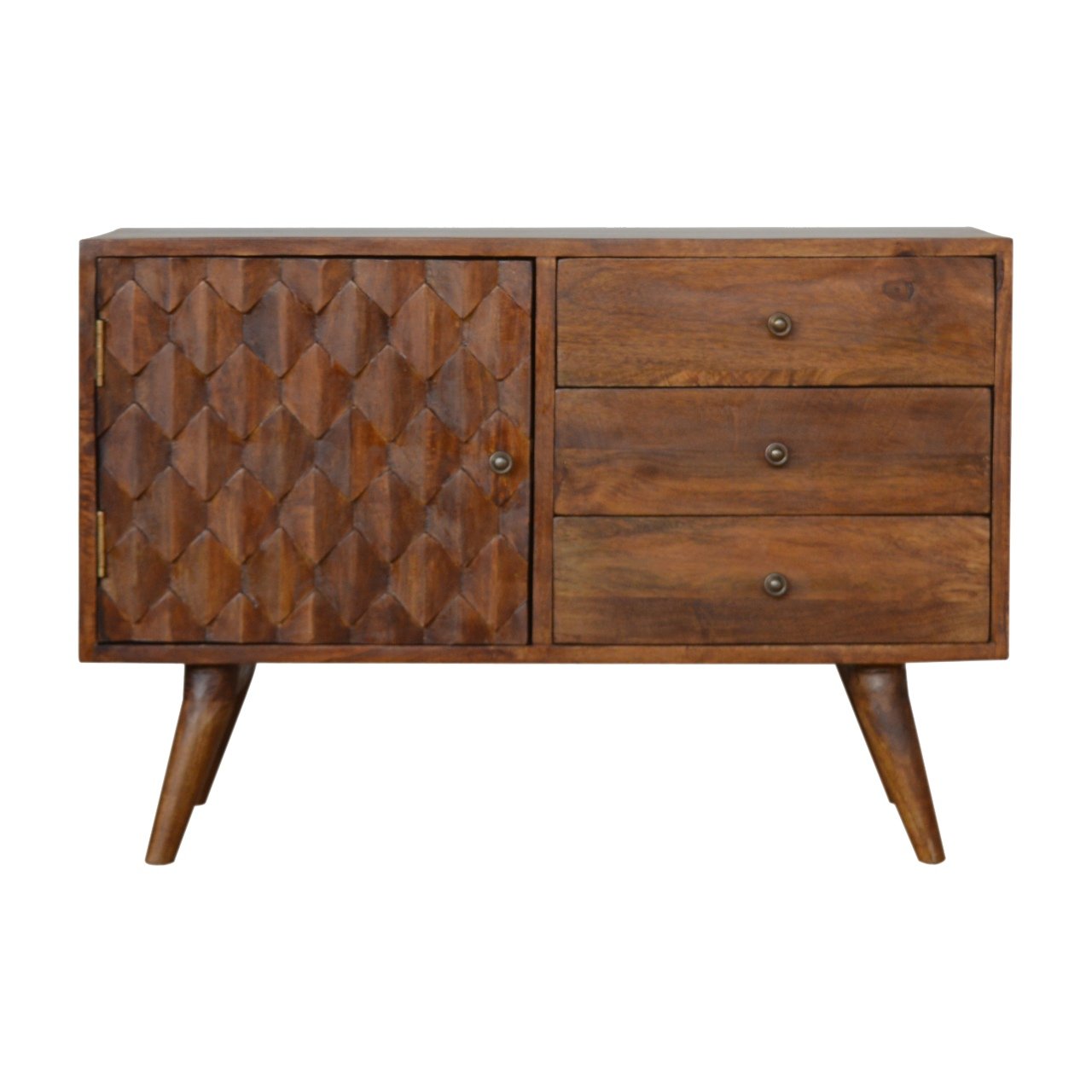
Carved Chestnut Sideboard
- Width
- 34.7″
- Depth
- 13.8″
- Height
- 22.8″
To view our trade prices online
Trial our custom options to resize & change finish or upholstery

Boucle Carved Telephone Table
- Width
- 35.4″
- Depth
- 13.8″
- Height
- 19.7″
To view our trade prices online
Trial our custom options to resize & change finish or upholstery

Pineapple Carved Sideboard
- Width
- 34.7″
- Depth
- 13.8″
- Height
- 22.8″
To view our trade prices online
Trial our custom options to resize & change finish or upholstery
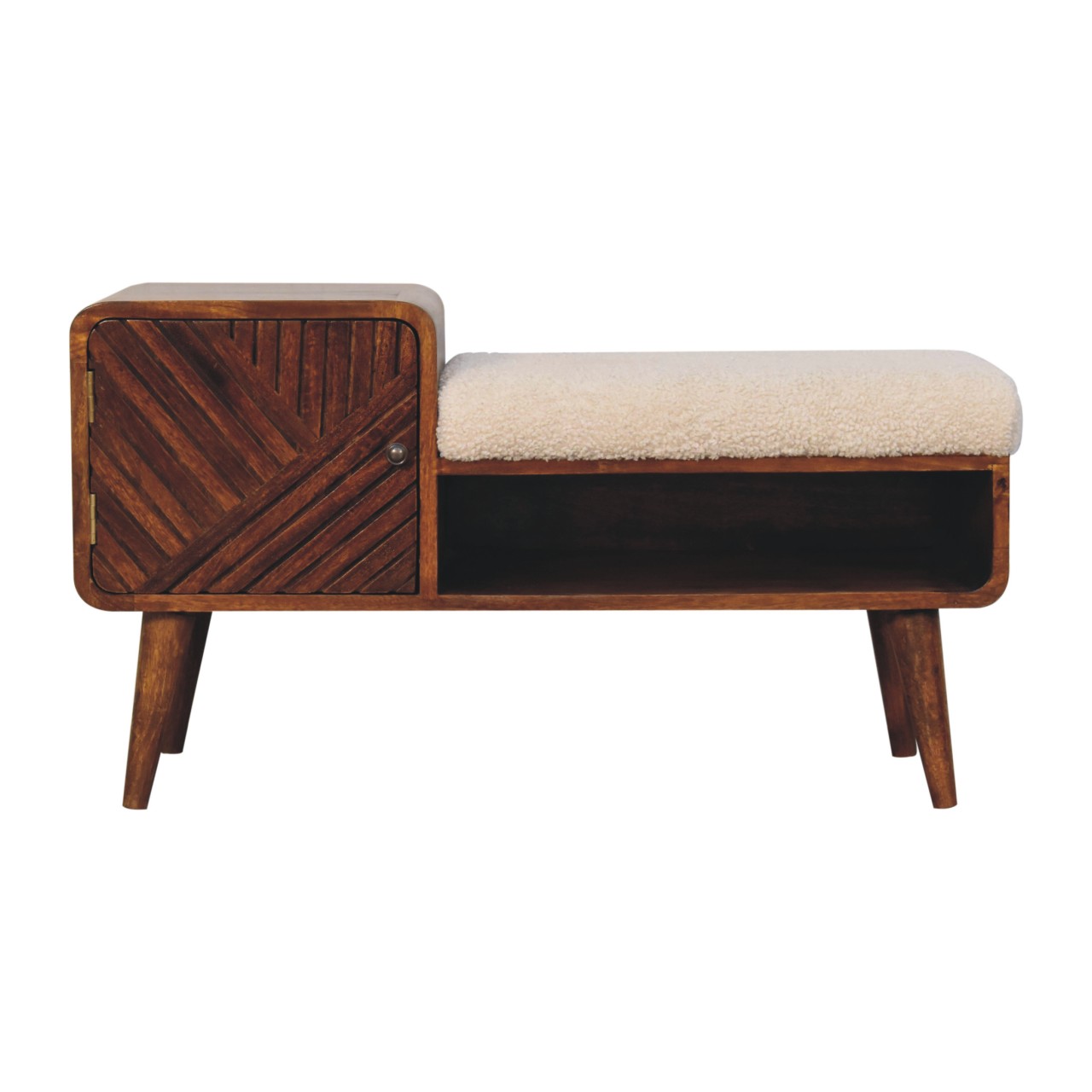
Boucle Carved Chestnut Telephone Table
- Width
- 35.4″
- Depth
- 13.8″
- Height
- 19.7″
To view our trade prices online
Trial our custom options to resize & change finish or upholstery
Trade Consultation
Planning a Hospitality or Commercial Project?
If your project needs solid wood specification support, custom dimensions, or finish samples, request a consultation with our trade team.