
Key Takeaway
troubleshooting common issues with fabric selection provides insights into resolving fabric challenges in custom furniture.
Troubleshooting Common Issues with Fabric Selection
Selecting the right fabric for upholstery is a critical decision that impacts both aesthetics and functionality. However, various challenges can arise during this process, necessitating effective troubleshooting techniques. Understanding these issues and their solutions will enhance your ability to choose suitable materials for your projects.
Common Fabric Selection Challenges
Fabric selection often involves navigating a range of common issues that can complicate the decision-making process. One prevalent challenge is identifying material durability. For instance, fabrics rated under 15,000 double rubs on the Wyzenbeek test may not withstand heavy use in commercial environments (Source: ASTM International). This metric serves as a benchmark for evaluating how well a fabric can endure wear over time.
Another issue frequently encountered is compatibility between fabric types and intended use cases. For example, natural fibers like cotton may be unsuitable for high-traffic areas due to their lower resistance to stains compared to synthetic options such as polyester or nylon. It is essential to assess the specific demands of each environment when selecting fabrics.
Factors Affecting Fabric Choice
Several factors influence fabric choice beyond mere appearance. The first factor is environmental conditions; moisture-prone areas require water-resistant materials to prevent damage and prolong lifespan. Fabrics treated with stain repellents or moisture barriers are advisable in such settings.
Additionally, colorfastness plays a significant role in maintaining aesthetic appeal over time. Fabrics that fade quickly when exposed to sunlight can detract from overall design quality, particularly in spaces with ample natural light exposure. Testing samples against UV light sources before making final selections ensures longevity and satisfaction.
Evaluating Fabric Durability
Evaluating fabric durability involves understanding its composition and weave structure. Different weaves offer varying levels of strength; for instance, twill weaves tend to provide greater resilience than plain weaves due to their tighter construction. Furthermore, familiarity with fiber types—such as blends versus pure materials—can inform decisions about performance characteristics like breathability and stretchability.
To ensure you select durable fabrics, consider conducting burn tests on sample swatches or consulting industry standards regarding fire resistance if applicable (Source: Upholstery Association). These assessments yield valuable insights into how different textiles react under stressors typical within your intended application context.
Recommendations for Successful Fabric Selection
To navigate potential pitfalls effectively while selecting upholstery fabrics:
- Conduct Thorough Research: Familiarize yourself with various textile properties through reliable resources such as the Fabric Institute.
- Request Samples: Obtain swatches of shortlisted fabrics before committing; this allows you to evaluate texture and color firsthand.
- Consult Experts: Engage professionals who specialize in upholstery materials—they can provide tailored advice based on project requirements.
- Consider Lifecycle Costs: Factor in maintenance needs alongside initial costs; investing more upfront in durable options may reduce long-term expenses associated with replacement or repair.
Relevant Trade Services
Frequently Asked Questions
Related Guides in Material Selection
Relevant Trade Products
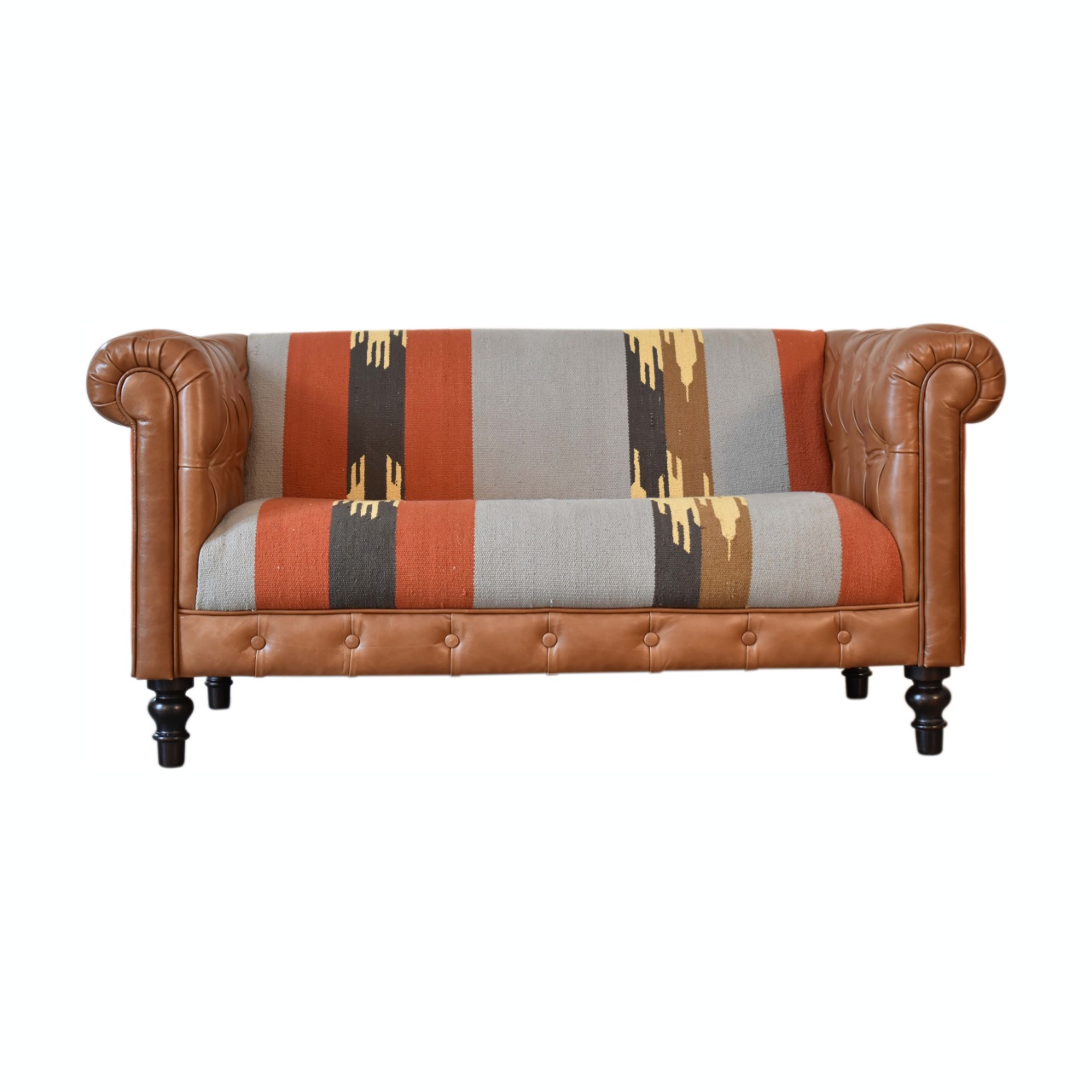
Durrie & Leather Mixed Sofa
- Width
- 59.1″
- Depth
- 31.5″
- Height
- 29.9″
To view our trade prices online
Trial our custom options to resize & change finish or upholstery

Cream Boucle Tub Chair
- Width
- 22.1″
- Depth
- 20.5″
- Height
- 29.9″
To view our trade prices online
Trial our custom options to resize & change finish or upholstery

White Boucle Occasional Chair
- Width
- 22.1″
- Depth
- 20.5″
- Height
- 29.1″
To view our trade prices online
Trial our custom options to resize & change finish or upholstery
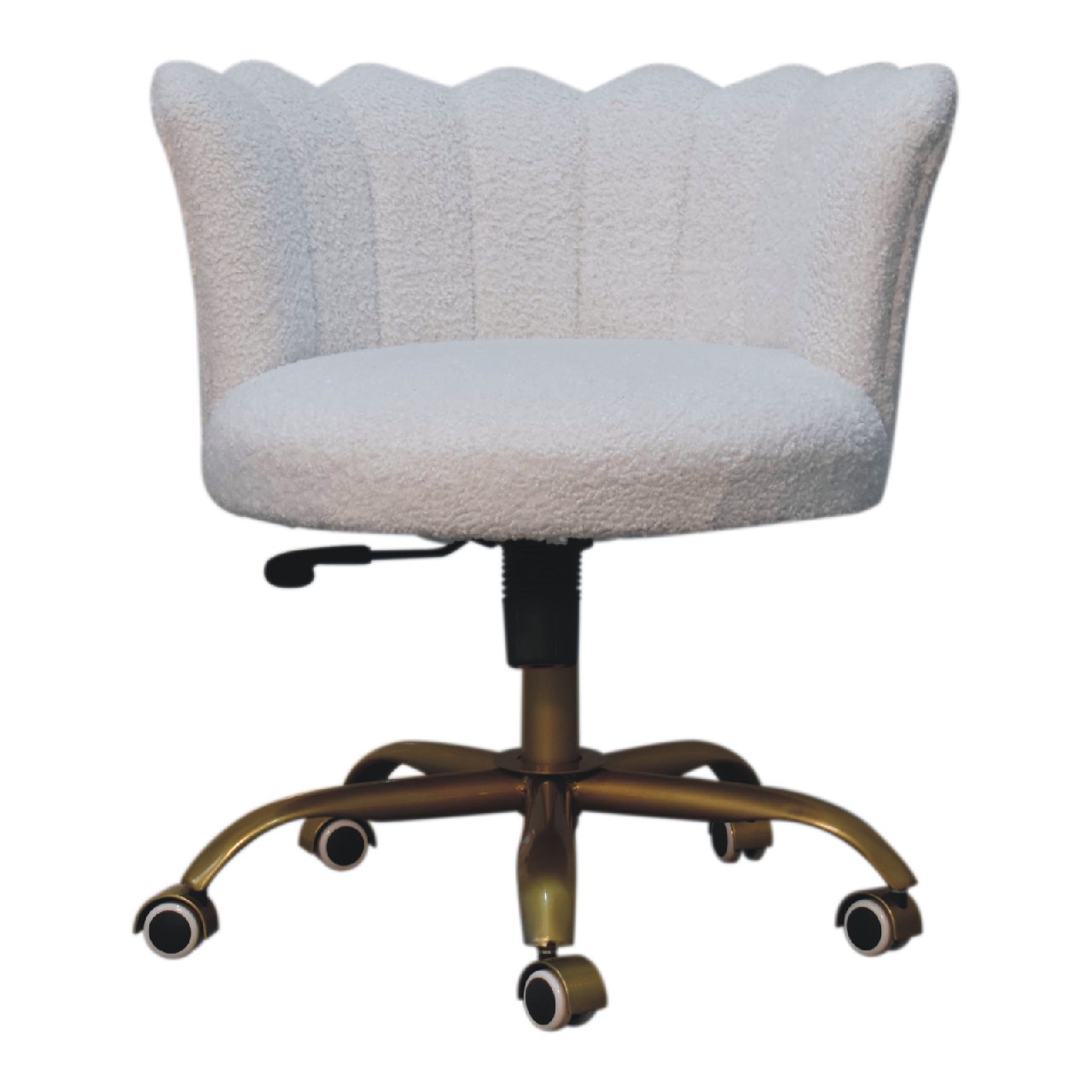
White Boucle Swivel Chair
- Width
- 26.8″
- Depth
- 22.8″
- Height
- 29.5″
To view our trade prices online
Trial our custom options to resize & change finish or upholstery

Olive Buffalo Leather Chair
- Width
- 24.4″
- Depth
- 26″
- Height
- 33.9″
To view our trade prices online
Trial our custom options to resize & change finish or upholstery
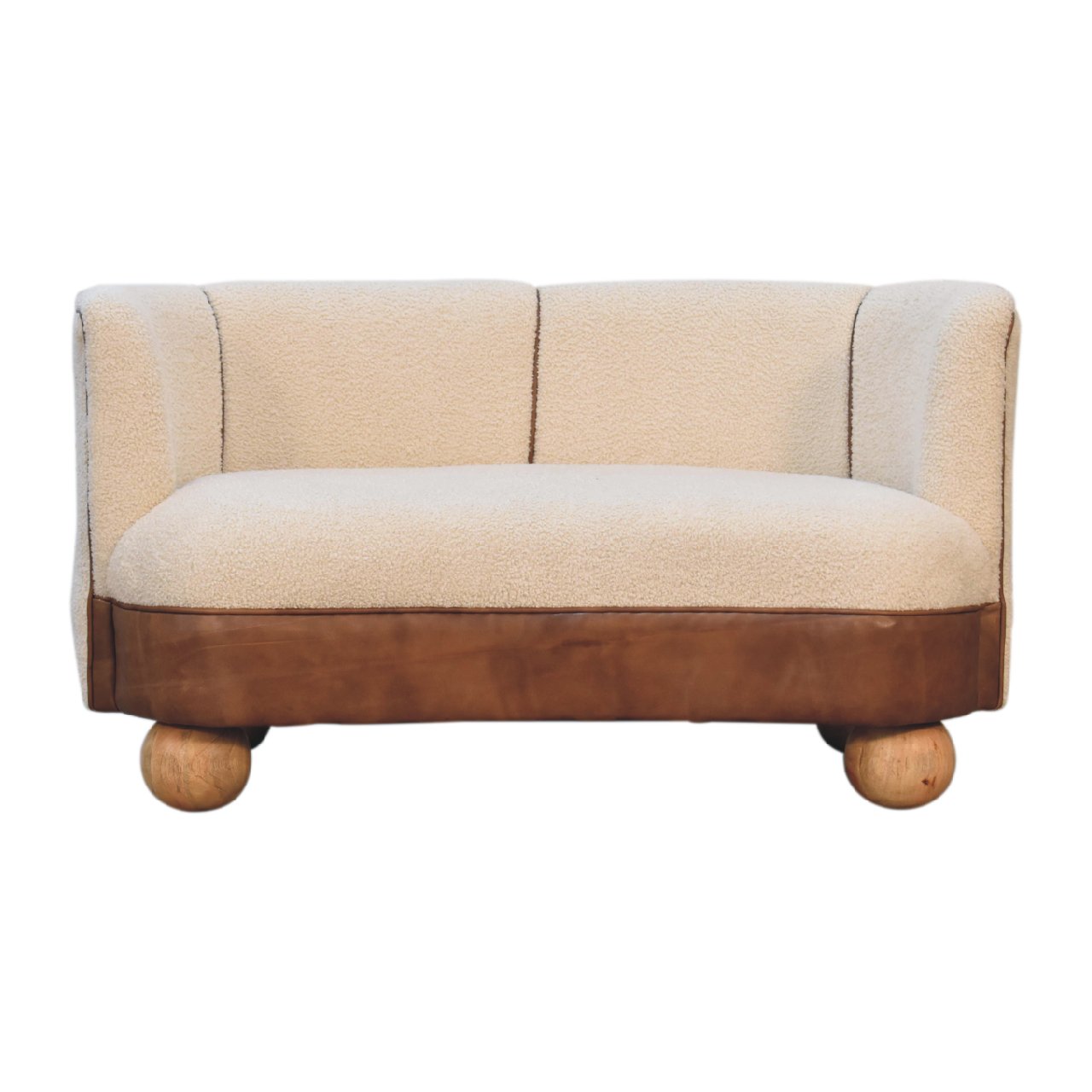
Boucle Cream Buffalo Small Sofa
- Width
- 52″
- Depth
- 25.6″
- Height
- 28.7″
To view our trade prices online
Trial our custom options to resize & change finish or upholstery
Trade Consultation
Planning a Hospitality or Commercial Project?
If your project needs solid wood specification support, custom dimensions, or finish samples, request a consultation with our trade team.