
Key Takeaway
Comparison of joinery techniques for custom pieces provides insights into various methods and their applications.
Comparison of Joinery Techniques for Custom Pieces
Selecting the appropriate joinery techniques is crucial in the creation of custom furniture pieces. The choice of joinery affects not only the aesthetic appeal but also the durability and functionality of the final product. Understanding various joinery methods allows you to make informed decisions that align with your design goals and project requirements.
Exploring Different Joinery Types
Joinery types encompass a range of woodworking joints, each with distinct characteristics suited for specific applications. Common types include dovetail joints, mortise and tenon joints, biscuit joints, and lap joints.
Dovetail joints are renowned for their strength and resistance to being pulled apart, making them ideal for drawer construction. According to a study by the Woodworking Institute, dovetail joints can increase structural integrity by up to 30% compared to simpler joint types. Mortise and tenon joints offer similar benefits but are often used in frame constructions due to their ability to withstand heavy loads.
Biscuit joints provide ease of alignment during assembly while maintaining adequate strength for lightweight applications such as tabletops or cabinetry. Lap joints are less common but can be effective in specific contexts where space constraints exist or when working with thicker materials.
Evaluating Joinery Techniques Based on Project Needs
When selecting joinery techniques for custom pieces, consider factors such as material type, intended use, and desired aesthetics. For instance, hardwoods like oak or maple typically benefit from more robust joinery methods like mortise and tenon due to their density and weight.
Conversely, softer woods may perform adequately with simpler connections like butt or biscuit joins. A survey conducted among professional woodworkers revealed that 75% prefer using traditional methods like mortise and tenon when crafting heirloom-quality furniture. This preference underscores the importance of choosing a technique that aligns not just with practical needs but also with craftsmanship standards.
Additionally, evaluate how different joint styles impact both visual appeal and structural performance over time. Joints that expose end grain might require additional finishing work compared to concealed options which maintain clean lines in design.
Making Informed Choices: Factors Influencing Your Selection
Choosing between various joinery techniques involves weighing several criteria including durability, ease of assembly, cost implications, and aesthetic outcomes. Durability is paramount; poorly executed joins can lead to premature failure under stress conditions typical in everyday use scenarios.
Cost considerations should also factor into your decision-making process; some intricate joineries may require specialized tools or skills which could elevate project expenses significantly. For example, while dovetailing requires precision cutting tools—often increasing labor costs—its long-term benefits justify this investment through enhanced durability.
Aesthetic preferences play a critical role as well; visible joins may enhance rustic charm whereas hidden ones contribute towards modern sleekness depending on your target market's expectations within FF&E procurement contexts.
Relevant Trade Services
Related Guides in Handcrafted Techniques
Relevant Trade Products

Sliding Sideboard
- Width
- 35.4″
- Depth
- 14.2″
- Height
- 23.6″
To view our trade prices online
Trial our custom options to resize & change finish or upholstery

Chestnut Sideboard with 2 Drawers
- Width
- 42.5″
- Depth
- 15″
- Height
- 33.5″
To view our trade prices online
Trial our custom options to resize & change finish or upholstery
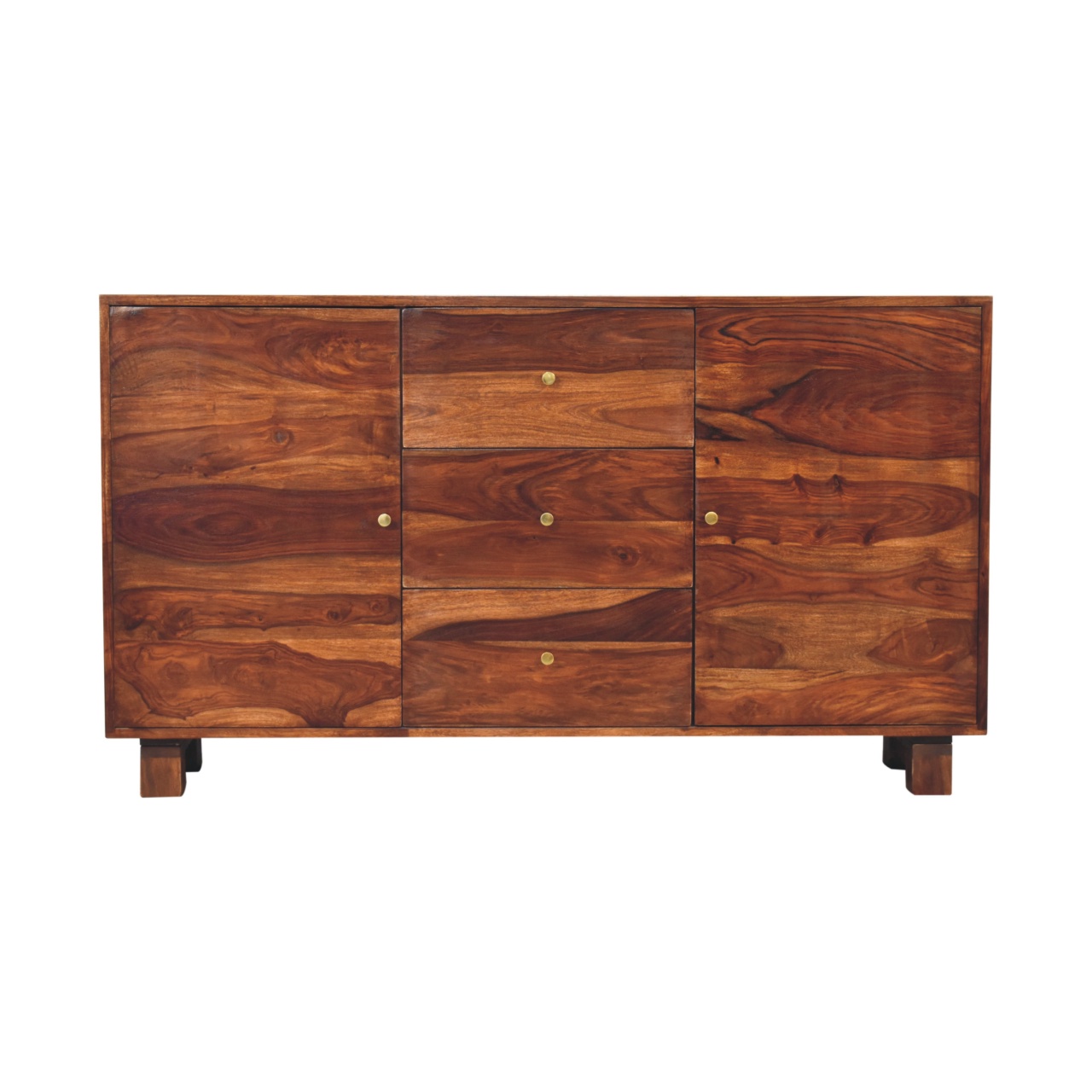
Tula Sideboard
- Width
- 55.1″
- Depth
- 13.8″
- Height
- 31.5″
To view our trade prices online
Trial our custom options to resize & change finish or upholstery
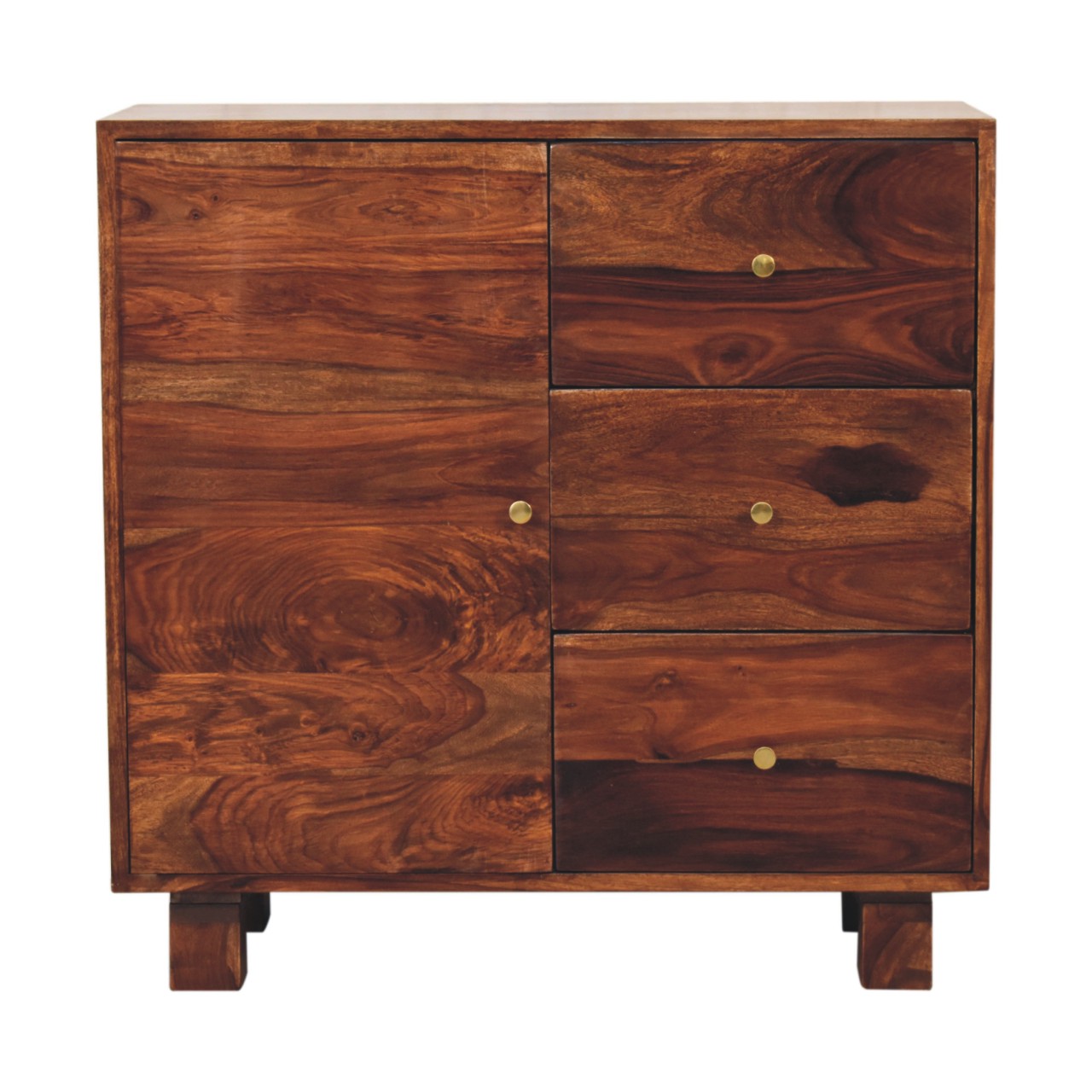
Tula Mini Sideboard
- Width
- 31.5″
- Depth
- 13.8″
- Height
- 31.5″
To view our trade prices online
Trial our custom options to resize & change finish or upholstery
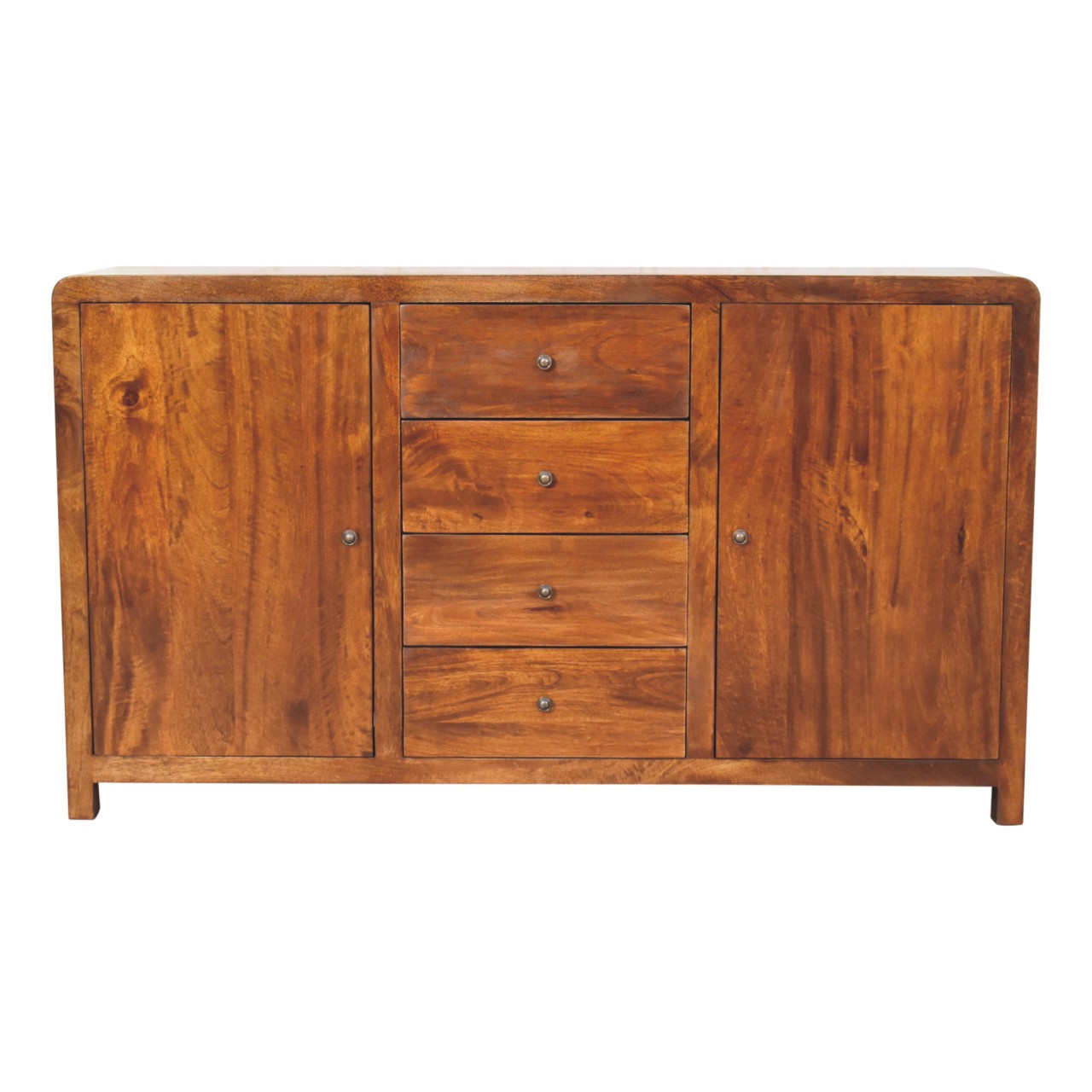
Arvessa Sideboard
- Width
- 55.1″
- Depth
- 13.8″
- Height
- 31.5″
To view our trade prices online
Trial our custom options to resize & change finish or upholstery
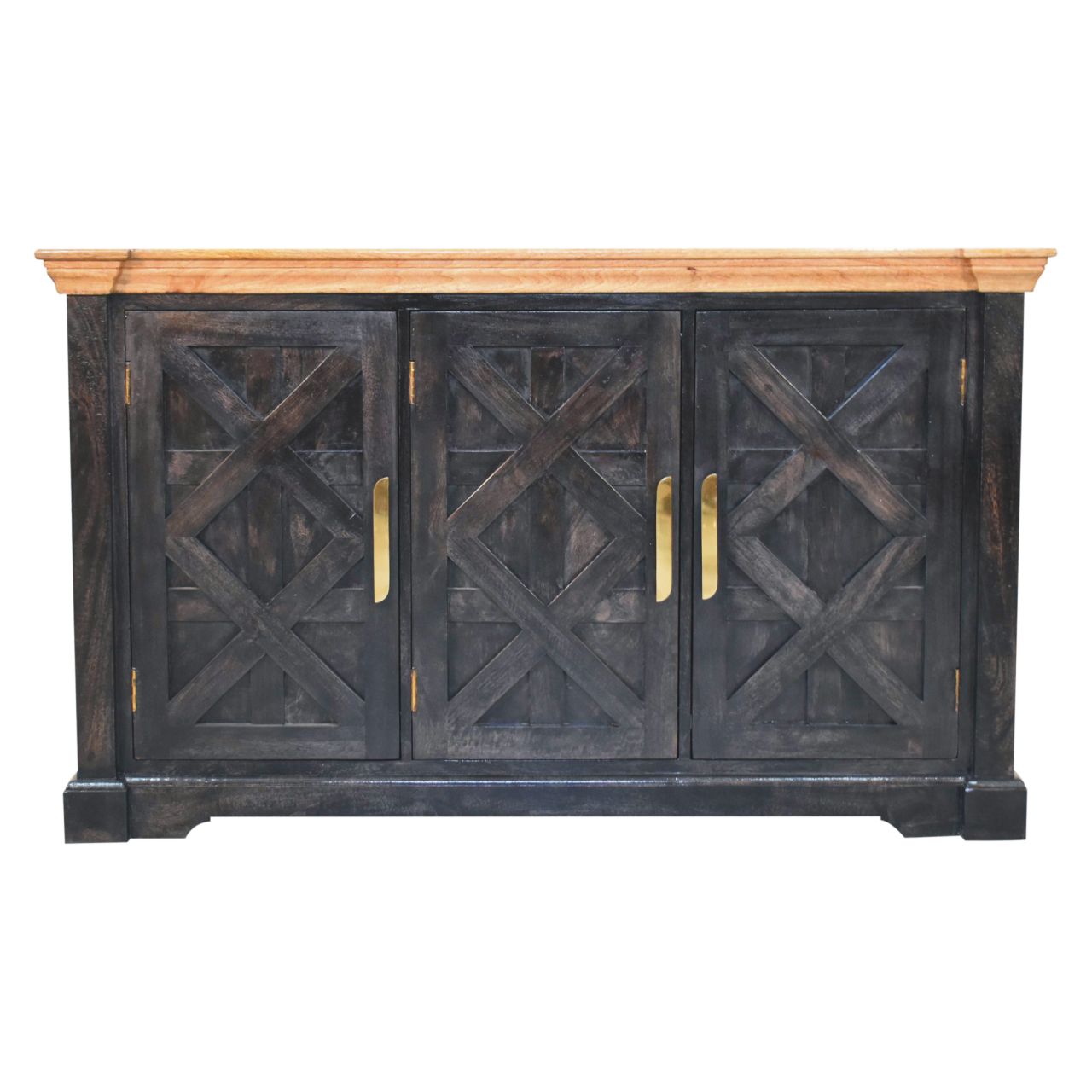
Regal Ash Black Rustic Sideboard
- Width
- 59.1″
- Depth
- 15.8″
- Height
- 35.4″
To view our trade prices online
Trial our custom options to resize & change finish or upholstery
Trade Consultation
Planning a Hospitality or Commercial Project?
If your project needs solid wood specification support, custom dimensions, or finish samples, request a consultation with our trade team.