
Key Takeaway
selecting sustainable materials for handcrafted designs enhances quality and sustainability.
Selecting Sustainable Materials for Handcrafted Designs
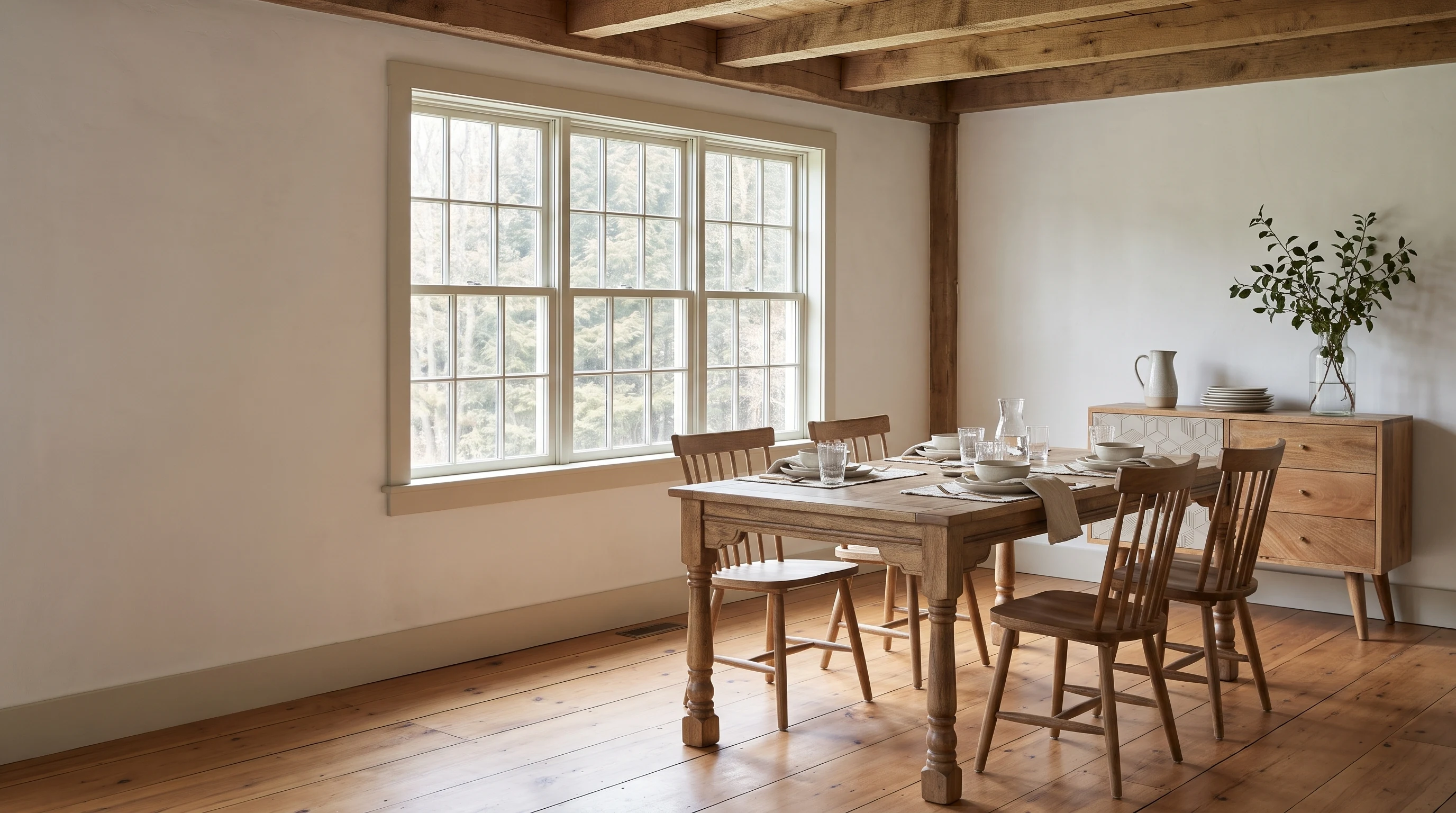
Selecting sustainable materials for handcrafted designs is essential in today's environmentally conscious market. The choice of materials not only influences the aesthetic and functional qualities of furniture but also impacts the overall sustainability of production processes. By prioritizing eco-friendly options, designers can contribute to a more responsible industry while meeting consumer demand for sustainable products.
Eco-Friendly Materials: A Fundamental Choice
Eco-friendly materials encompass a range of resources that minimize environmental impact throughout their lifecycle. These include sustainably sourced wood, organic fabrics, and non-toxic finishes. For instance, wood certified by the Forest Stewardship Council (FSC) ensures that it comes from responsibly managed forests, promoting biodiversity and reducing deforestation rates. Additionally, organic fabrics made from cotton or linen avoid harmful pesticides and chemicals during cultivation.
Choosing eco-friendly materials often results in higher durability and longevity. Products made with quality natural fibers or solid wood tend to withstand wear better than synthetic alternatives. This durability translates into reduced waste over time as fewer replacements are necessary, aligning with principles of sustainability.
Sustainable Sourcing Methods: Ensuring Responsibility
Sustainable sourcing methods play a critical role in material selection for handcrafted designs. Responsible sourcing involves evaluating suppliers based on their environmental practices and ethical standards. Companies should seek out vendors who adhere to certifications such as LEED (Leadership in Energy and Environmental Design) or GreenGuard, which provide assurance regarding product safety and environmental impact.
Moreover, transparency within the supply chain enhances accountability among stakeholders involved in production processes. By engaging with suppliers who prioritize sustainable practices, designers can ensure that every component—from adhesives to hardware—meets stringent ecological standards.
Material Properties: Evaluating Options Effectively
When selecting materials for handcrafted designs, understanding material properties is vital to achieving desired outcomes in both functionality and aesthetics. Different types of woods offer unique characteristics; hardwoods like oak or maple provide strength and resilience while softwoods like pine are lighter yet more prone to dents. Similarly, fabric choices affect comfort levels; natural fibers typically breathe better than synthetics.
Evaluating these properties requires careful consideration of how they interact within specific design contexts. For example, combining durable hardwood frames with soft upholstery can enhance both visual appeal and structural integrity.
Factors Influencing Material Selection
Several factors influence the selection process when choosing sustainable materials for furniture design:
- Environmental Impact: Assessing carbon footprints associated with extraction or manufacturing processes.
- Cost vs Value: Balancing initial investment against long-term benefits derived from durability.
- Aesthetic Compatibility: Ensuring chosen materials align aesthetically with intended design themes.
- Regulatory Compliance: Adhering to local regulations regarding material usage can mitigate legal risks.
By weighing these factors thoughtfully during the decision-making process, designers can make informed choices that align with both client expectations and sustainability goals.
Relevant Trade Services
Frequently Asked Questions
Related Guides in Handcrafted Techniques
Relevant Trade Products
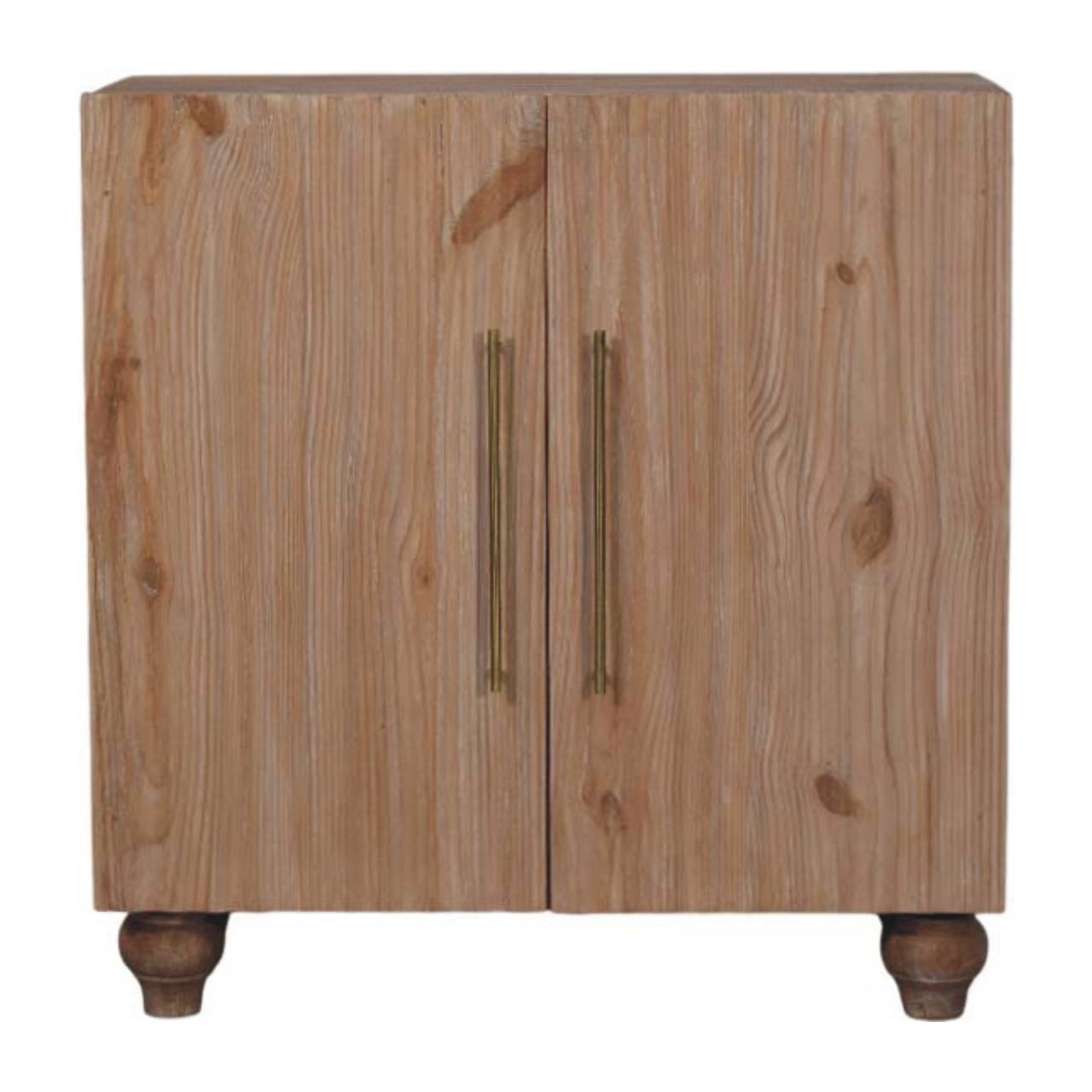
Sandgrain Pine & Mango Sideboard
- Width
- 31.5″
- Depth
- 13.8″
- Height
- 32.7″
To view our trade prices online
Trial our custom options to resize & change finish or upholstery

Arched Rattan Two-Door Sideboard
- Width
- 29.5″
- Depth
- 13.8″
- Height
- 27.6″
To view our trade prices online
Trial our custom options to resize & change finish or upholstery

Golden Teak Solid Wood Dining Table
- Width
- 35.4″
- Depth
- 35.4″
- Height
- 29.9″
To view our trade prices online
Trial our custom options to resize & change finish or upholstery

Classic Golden Teak Solid Wood Dining Table
- Width
- 70.9″
- Depth
- 35.4″
- Height
- 29.9″
To view our trade prices online
Trial our custom options to resize & change finish or upholstery

Solid Mango 2 Drawer Console
- Width
- 39.4″
- Depth
- 15″
- Height
- 31.5″
To view our trade prices online
Trial our custom options to resize & change finish or upholstery

Carbon Black Rattan End Table
- Width
- 15.8″
- Depth
- 15.8″
- Height
- 19.7″
To view our trade prices online
Trial our custom options to resize & change finish or upholstery
Trade Consultation
Planning a Hospitality or Commercial Project?
If your project needs solid wood specification support, custom dimensions, or finish samples, request a consultation with our trade team.