
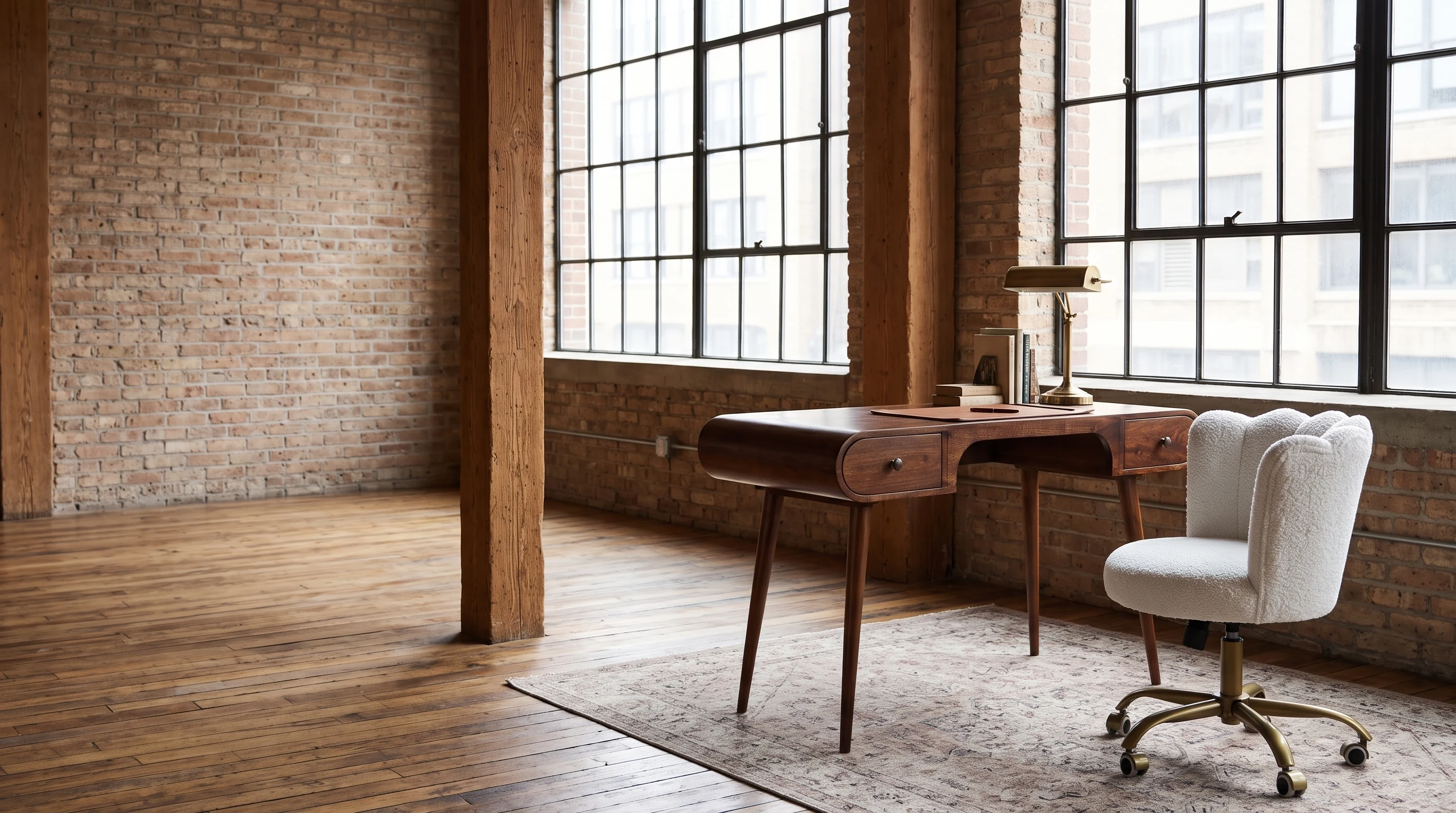
Wholesale Furniture
Workspace Arrangements for Modern Business Environments
Workspace arrangements are crucial for fostering collaboration and efficiency in workplaces.
Guides in Workspace Arrangements
Checklist
Workspace Layout Optimization Checklist for Effective Design
workspace layout optimization checklist provides essential steps for enhancing workspace efficiency.
Guide
Ergonomic Workspace Arrangement Guide for Hospitality
ergonomic workspace arrangement guide provides essential strategies for creating efficient work environments.
Other
Collaborative Workspace Design Tips for Effective Layouts
Collaborative workspace design tips focus on optimizing space for teamwork and creativity.
Other
Workspace Zoning Strategies for Productivity in Hospitality
workspace zoning strategies for productivity help create effective work environments.
Troubleshooting
Troubleshooting Common Workspace Layout Issues
Troubleshooting common workspace layout issues helps improve functionality and aesthetics in work environments.
Other
Best Practices for Flexible Workspace Setups
best practices for flexible workspace setups create adaptable environments that meet diverse needs.
Guide
Understanding Workspace Arrangements
Workspace arrangements are critical to optimizing productivity and enhancing employee satisfaction. The design of a workspace can significantly influence how employees interact, collaborate, and perform their tasks. By thoughtfully considering the layout, organizations can create environments that foster creativity and efficiency.
Research indicates that effective workspace arrangements can lead to a 20% increase in productivity (Source: Steelcase). This statistic underscores the importance of strategic planning in office design. When businesses invest time and resources into developing optimal layouts, they set the stage for improved operational outcomes.
Types of Workspace Arrangements
Different types of workspace arrangements cater to various organizational needs. Traditional cubicles offer privacy but may hinder collaboration, while open-plan offices promote interaction at the expense of noise levels. Other configurations include collaborative spaces designed specifically for teamwork and flexible layouts that adapt to changing project requirements.
For instance, collaborative spaces encourage brainstorming sessions and group work by providing areas equipped with technology for presentations and discussions. According to a study by Gensler, companies with well-designed collaborative spaces report a 25% improvement in team performance (Source: Gensler). Evaluating these options allows organizations to select designs that align with their specific goals.
Benefits of Effective Workspace Layouts
An effective workspace layout provides numerous benefits beyond mere aesthetics. It enhances communication among team members, promotes ergonomic practices, and supports overall employee well-being. For example, incorporating standing desks or adjustable furniture can reduce health-related issues such as back pain—an important consideration given that 80% of Americans will experience back pain at some point in their lives (Source: American Chiropractic Association).
Moreover, an efficient arrangement minimizes distractions while maximizing space utilization. Studies show that employees working in well-organized environments are more focused and engaged; this engagement correlates directly with higher job satisfaction rates (Source: Gallup). By prioritizing thoughtful design choices based on these insights, organizations can cultivate productive atmospheres conducive to success.
Criteria for Selecting Optimal Office Designs
When selecting an office design strategy, several criteria should guide decision-making processes:
- Functionality: Assess how each arrangement aligns with daily operations.
- Flexibility: Consider designs that allow easy adaptation as business needs evolve.
- Employee Preferences: Gather input from staff regarding their ideal work environment.
- Technology Integration: Ensure layouts support necessary technological tools without hindrance.
- Aesthetic Appeal: A visually pleasing environment contributes positively to morale.
By evaluating these factors systematically, businesses can identify which workspace arrangements best meet their objectives while addressing employee needs effectively.
Frequently Asked Questions
Trade Consultation
Planning a Hospitality or Commercial Project?
If your project needs solid wood specification support, custom dimensions, or finish samples, request a consultation with our trade team.