
Wholesale Furniture
Decorative Accessories to Elevate Your Wholesale Furniture
Decorative accessories play a crucial role in enhancing furniture aesthetics.
Guides in Decorative Accessories
Checklist
Checklist for Selecting Wall Art in Hospitality Environments
checklist for selecting wall art in hospitality environments to create inviting spaces.
Troubleshooting
Troubleshooting Common Issues with Decorative Lighting Fixtures
troubleshooting common issues with decorative lighting fixtures ensures your designs shine brightly.
Comparison
Comparison of Decorative Accessory Styles for Different Themes
Comparison of decorative accessory styles for different themes provides insights into effective design choices.
Other
Essential Factors When Selecting Decorative Mirrors
Essential factors when selecting decorative mirrors involve understanding design trends and functionality.
Guide
Understanding Decorative Accessories
Decorative accessories play a crucial role in enhancing the aesthetic appeal of spaces, particularly in hospitality settings. These items serve not only as embellishments but also as functional elements that contribute to the overall design narrative. By integrating decorative accessories thoughtfully, designers can create environments that resonate with guests and leave lasting impressions.
The importance of decorative accessories extends beyond mere appearance; they influence how spaces are perceived and experienced. According to a study by the American Society of Interior Designers (ASID), well-chosen decorative items can significantly enhance guest satisfaction scores by up to 20% in hotel environments. This underscores their value in both form and function.
Types of Decorative Accessories
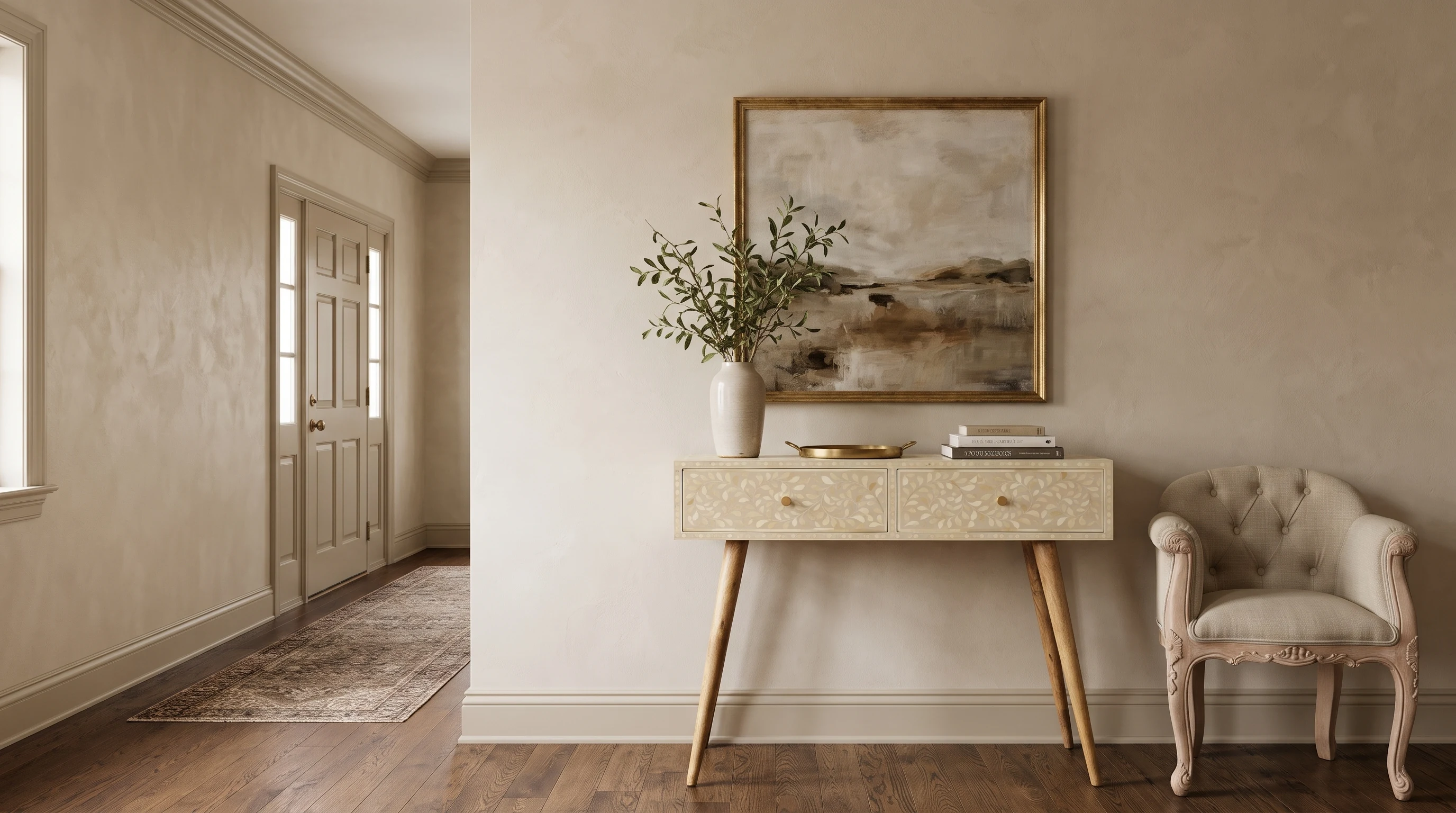
A diverse range of decorative accessories exists, each serving distinct purposes while contributing to the overall design theme. Common types include vases, sculptures, wall art, throw pillows, and table runners. Each category offers unique opportunities for expression and style alignment within a space.
Vases can introduce organic shapes and textures that soften hard surfaces, while sculptures often serve as focal points that draw attention and provoke conversation. Wall art provides an avenue for personal expression or thematic storytelling through visuals. Throw pillows add comfort alongside color coordination, enhancing both aesthetics and usability.
Benefits of Decorative Accessories
Integrating decorative accessories into interior designs yields numerous benefits that extend beyond visual appeal. They help define spaces by creating zones within larger areas—essentially guiding movement and interaction among occupants. Furthermore, these elements can unify disparate themes throughout a venue by echoing colors or styles across different areas.
Evidence suggests that thoughtful placement of decorative items increases perceived value among guests. A survey conducted by Hospitality Design Magazine found that 75% of respondents felt more positively about hotels featuring curated decor compared to those with minimalistic approaches (Source: Hospitality Design Magazine). This indicates a direct correlation between accessory selection and guest experience quality.
How to Choose Decorative Accessories
Selecting appropriate decorative accessories involves several considerations tailored to specific environments such as hotels or restaurants. First, assess the existing design elements—colors, materials, furniture styles—and ensure any new additions complement rather than clash with these components.
Next, consider functionality alongside aesthetics; some items should serve practical purposes while others purely enhance beauty. For instance, choosing durable materials for high-traffic areas ensures longevity without sacrificing style integrity.
Finally, evaluate trends versus timelessness when selecting pieces; opting for classic designs may provide longevity amidst changing fads in decor styles while still allowing room for seasonal updates through smaller accent pieces like cushions or throws.
Trade Consultation
Planning a Hospitality or Commercial Project?
If your project needs solid wood specification support, custom dimensions, or finish samples, request a consultation with our trade team.