
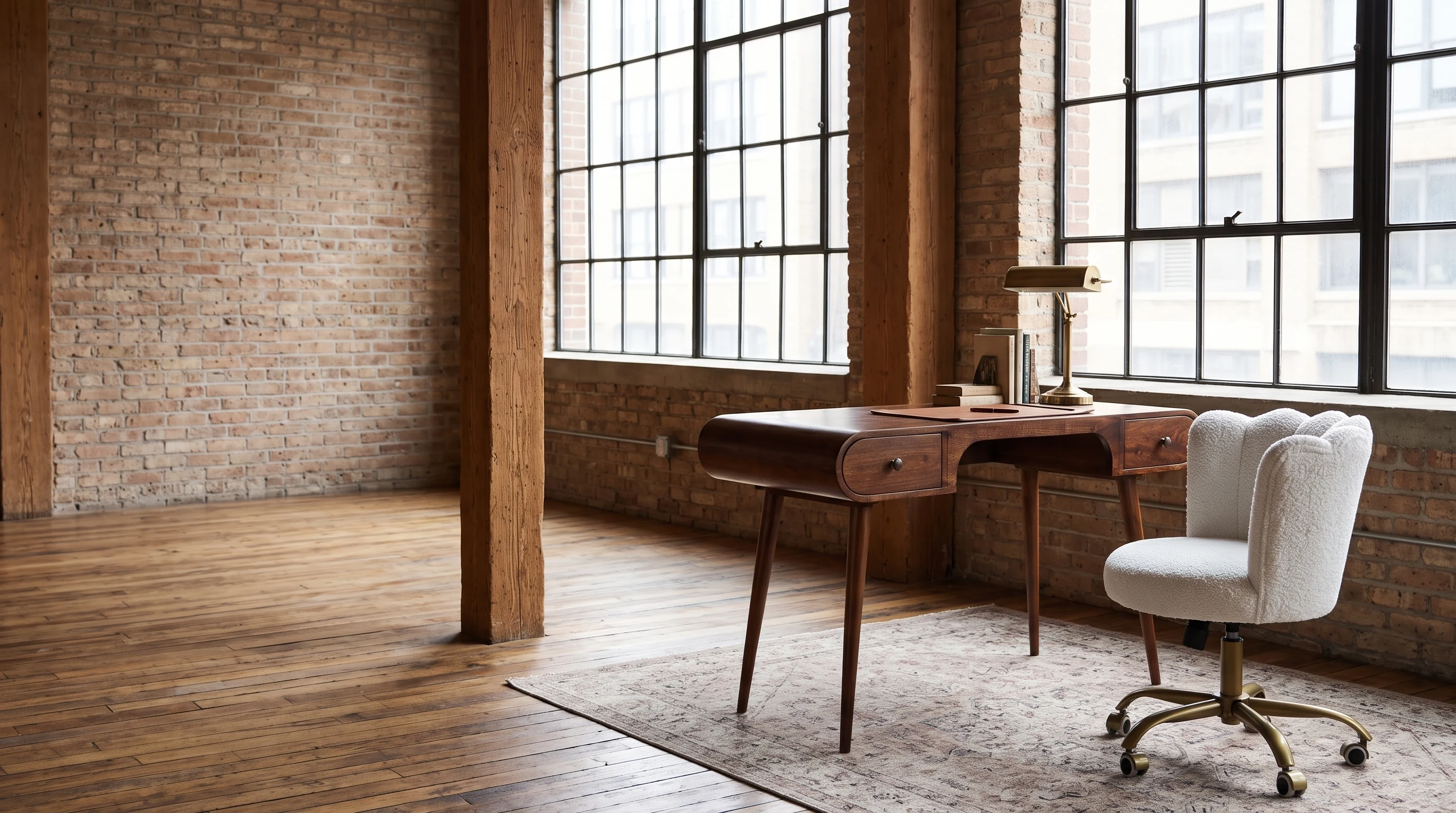
Key Takeaway
When designing a flexible workspace, several critical components must be addressed:
Best Practices for Flexible Workspace Setups
Creating flexible workspace setups is essential in today’s evolving work environment. Organizations are increasingly recognizing the need to adapt their office layouts to support various work styles and enhance productivity. This report outlines key practices that can help optimize your workspace, ensuring it meets the demands of both collaborative and individual tasks.
Understanding Flexible Workspaces
Flexible workspaces refer to environments designed to accommodate a range of activities, from focused individual tasks to collaborative group projects. The core elements include adaptable furniture arrangements, technology integration, and spaces that promote interaction among employees. Research indicates that companies with flexible workspaces see a 20% increase in employee satisfaction (Source: Steelcase). This improvement stems from the ability of employees to choose where and how they work best.
To achieve this flexibility, consider incorporating modular furniture that can be easily rearranged or reconfigured based on team needs. Desks with wheels or movable partitions allow for quick adjustments during meetings or when creating temporary collaboration zones. Additionally, integrating technology such as wireless charging stations and smart boards enhances both functionality and connectivity within these spaces.
Key Elements of Flexible Workspaces
When designing a flexible workspace, several critical components must be addressed:
Furniture Selection: Choose ergonomic chairs and desks that adjust in height to accommodate different working preferences. Studies show that ergonomic furniture reduces workplace injuries by up to 30% (Source: OSHA).
Zoning Areas: Create distinct areas within the office for various activities—quiet zones for concentration, collaborative areas for teamwork, and lounge spaces for informal interactions. Each zone should cater specifically to its intended use while maintaining an overall cohesive design.
Technology Integration: Equip each area with appropriate technological tools such as video conferencing capabilities in meeting rooms and high-speed internet access throughout the space. A seamless tech experience fosters better communication among remote teams.
Natural Light Utilization: Incorporate windows or skylights wherever possible; studies have shown that natural light improves mood and increases productivity by about 15% (Source: Harvard Business Review).
By focusing on these elements, organizations can create a dynamic environment conducive to diverse working styles while promoting well-being among employees.
Common Mistakes in Workspace Design
While striving for flexibility, organizations often encounter pitfalls that hinder their efforts:
Overcrowding Spaces: A common mistake is cramming too many desks into an area without considering movement flow or comfort levels.
Ignoring Employee Feedback: Failing to involve staff in the design process may lead to solutions that do not meet their actual needs.
Neglecting Acoustics: Open-plan designs without adequate soundproofing can lead to distractions; noise levels should be managed through strategic layout choices like using carpets or acoustic panels.
Addressing these issues requires careful planning and ongoing assessment of workspace effectiveness based on employee feedback and performance metrics.
Optimizing Your Workspace Setup
To effectively optimize your workspace setup:
- Conduct regular assessments involving employee surveys regarding comfort levels and productivity.
- Implement changes iteratively based on feedback rather than making sweeping alterations all at once.
- Monitor usage patterns over time; data analytics tools can provide insights into which areas are utilized most frequently versus those underused.
These strategies ensure continuous improvement in your workspace's adaptability while aligning with organizational goals related to efficiency and employee satisfaction.
Relevant Trade Services
Frequently Asked Questions
Related Guides in Workspace Arrangements
Trade Consultation
Planning a Hospitality or Commercial Project?
If your project needs solid wood specification support, custom dimensions, or finish samples, request a consultation with our trade team.