

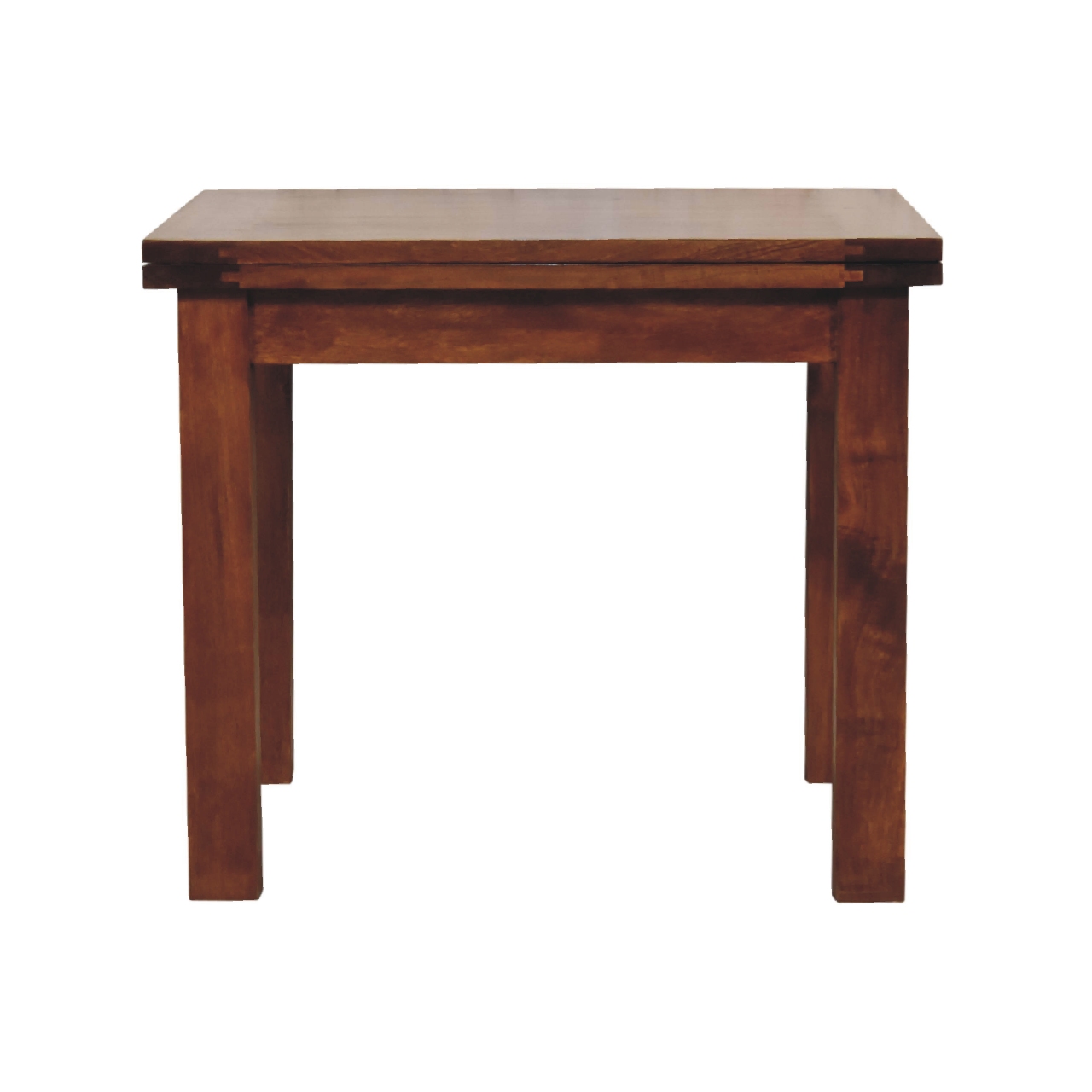
Granary Extension Dining Table
- Width
- 65″
- Depth
- 35.4″
- Height
- 29.9″
To view our trade prices online
Trial our custom options to resize & change finish or upholstery
Bespoke solid wood furniture & FF&E for hospitality and commercial spaces across the U.S. — Est. 1995

FF&E Procurement
vendor evaluation criteria guide businesses in choosing the right suppliers.
Checklist
vendor comparison checklist streamlines the process of assessing potential vendors.
Template
vendor evaluation scorecard template simplifies the process of evaluating potential vendors.
Other
key performance indicators for vendor assessment provide essential insights for informed decision-making.
Guide
vendor qualification requirements guide provides key insights for assessing potential vendors in hospitality projects.
Other
decision matrix for vendor selection provides a structured approach to vendor evaluation.
Other
essential questions for vendor interviews guide effective vendor selection processes.
Other
Risk assessment criteria for vendors ensure thorough evaluation of potential suppliers.
Template
Cost-benefit analysis template for vendor proposals streamlines vendor evaluation processes.
Guide
Vendor evaluation criteria are essential for organizations aiming to select reliable suppliers. These criteria serve as a structured framework to assess and compare potential vendors based on various performance metrics. By establishing clear evaluation standards, businesses can minimize risks associated with procurement and ensure that they partner with vendors who align with their operational goals.
A comprehensive vendor assessment typically includes several key factors such as quality of goods, delivery reliability, pricing structures, and service levels. According to a study by the Institute for Supply Management, 70% of procurement professionals cite supplier performance as a critical factor in their overall supply chain efficiency. This statistic underscores the importance of having well-defined vendor evaluation criteria that not only address current needs but also anticipate future challenges.
When evaluating potential vendors, several core factors should be prioritized:
Quality Assurance: The ability of a vendor to consistently deliver high-quality products is paramount. Organizations often require certifications such as ISO 9001 to ensure adherence to quality management principles.
Delivery Performance: Timely delivery impacts operational efficiency significantly. Evaluating past performance data helps predict future reliability; studies show that companies experience up to a 20% increase in productivity when working with dependable suppliers.
Cost Competitiveness: While price should not be the sole criterion for selection, it remains crucial. A thorough analysis involves comparing total cost implications rather than just initial pricing.
Financial Stability: Assessing the financial health of potential vendors mitigates risks related to insolvency or business disruptions.
Customer Service Levels: Responsive support from suppliers can enhance collaboration and problem resolution during contract execution.
These factors collectively form an effective vendor scorecard that aids decision-making processes within procurement teams.
To implement an effective vendor evaluation framework, organizations must establish standardized procedures tailored to their specific needs:
Develop Clear Assessment Metrics: Define what constitutes success for each criterion outlined above.
Utilize Scoring Systems: Assign weights based on priority levels across different categories (e.g., quality may weigh more heavily than cost). A scoring system allows for quantitative comparisons between competing vendors.
Conduct Regular Reviews: Continuous monitoring ensures ongoing compliance with established standards and identifies areas needing improvement over time.
Research indicates that organizations employing structured frameworks report higher satisfaction rates among stakeholders involved in procurement decisions. Such frameworks facilitate transparent evaluations while promoting accountability throughout the process.
Several external and internal factors influence how organizations select their vendors:
Market Trends: Shifts in market dynamics may necessitate reevaluation of existing supplier relationships or exploration of new options.
Regulatory Compliance Requirements: Vendors must adhere to industry regulations which vary by sector; non-compliance could result in legal ramifications for partnering companies.
Technological Advancements: The integration of technology into supply chains demands adaptability from both parties involved; selecting technologically adept partners can enhance collaborative efforts.
Organizations should remain vigilant regarding these influencing factors when conducting assessments since they directly affect long-term partnerships' viability and effectiveness.
To view our trade prices online
Trial our custom options to resize & change finish or upholstery

To view our trade prices online
Trial our custom options to resize & change finish or upholstery

To view our trade prices online
Trial our custom options to resize & change finish or upholstery

To view our trade prices online
Trial our custom options to resize & change finish or upholstery

To view our trade prices online
Trial our custom options to resize & change finish or upholstery
To view our trade prices online
Trial our custom options to resize & change finish or upholstery
Trade Consultation
If your project needs solid wood specification support, custom dimensions, or finish samples, request a consultation with our trade team.
To view our trade prices online