

Key Takeaway
A comprehensive cost-benefit analysis template includes several essential components designed to facilitate thorough evaluations.
Understanding the Cost-Benefit Analysis Template for Vendor Proposals
A cost-benefit analysis template for vendor proposals serves as a critical tool in evaluating potential partnerships. This structured approach allows procurement professionals to assess the financial implications of engaging with various vendors, ensuring that decisions align with organizational goals and budget constraints. By systematically comparing costs against anticipated benefits, you can make informed choices that enhance operational efficiency.
The importance of this template cannot be overstated. According to a study by the Project Management Institute, organizations that implement formal evaluation processes improve project success rates by 20%. This statistic underscores the value of having a robust framework for assessing vendor proposals, particularly in sectors such as furniture procurement where investment stakes are high.
Key Components of a Cost-Benefit Analysis Template
A comprehensive cost-benefit analysis template includes several essential components designed to facilitate thorough evaluations. These elements typically encompass proposal sections detailing both direct and indirect costs associated with vendor engagement, alongside expected benefits derived from their services or products.
Financial metrics play a crucial role in these analyses. They should include initial outlay costs, ongoing expenses, and potential savings or revenue generation opportunities linked to each vendor option. For instance, if you are considering multiple suppliers for bespoke furniture manufacturing, quantifying material costs against projected sales can provide clarity on which partnership offers superior value.
In addition to financial metrics, risk assessment factors must also be integrated into your analysis. Identifying potential risks—such as supply chain disruptions or quality inconsistencies—enables you to weigh these against anticipated benefits effectively. A well-rounded approach ensures that decision-makers have all relevant information at hand when selecting vendors.
Steps for Effective Vendor Proposal Evaluation
To maximize the effectiveness of your cost-benefit analysis template during vendor evaluations, follow these structured steps:
- Define Objectives: Clearly outline what you aim to achieve through the partnership.
- Gather Data: Collect detailed information on each vendor’s offerings and pricing structures.
- Analyze Costs: Break down all associated costs comprehensively; consider both upfront investments and long-term commitments.
- Estimate Benefits: Quantify expected returns based on historical data or market research.
- Evaluate Risks: Assess any risks involved in proceeding with each vendor option.
- Make Comparisons: Use your findings to compare vendors side-by-side within the context of your defined objectives.
By adhering to this systematic approach, procurement professionals can ensure they select vendors who not only meet immediate needs but also contribute positively toward long-term strategic goals.
Enhancing Decision-Making Through Structured Evaluations
Implementing an effective cost-benefit analysis template enhances decision-making capabilities within organizations focused on FF&E procurement (Furniture Fixtures & Equipment). The analytical rigor provided by such templates supports more transparent discussions among stakeholders regarding which vendors align best with business objectives.
Moreover, leveraging standardized evaluation criteria fosters consistency across assessments while reducing biases inherent in subjective evaluations alone. Studies indicate that organizations employing structured frameworks experience up to 30% faster decision-making times compared to those relying solely on informal methods.
Ultimately, using a well-defined cost-benefit analysis template empowers teams not just to evaluate current options but also prepares them for future negotiations and partnerships by establishing clear benchmarks for performance expectations.
Relevant Trade Services
Frequently Asked Questions
Related Guides in Vendor Evaluation Criteria
Relevant Trade Products

Chestnut Plate Coffee Table
- Width
- 23.6″
- Depth
- 23.6″
- Height
- 15.4″
To view our trade prices online
Trial our custom options to resize & change finish or upholstery

Oak-ish Wave Writing Desk
- Width
- 43.3″
- Depth
- 13.8″
- Height
- 30.7″
To view our trade prices online
Trial our custom options to resize & change finish or upholstery

Mini Oak-ish Rounded Coffee Table
- Width
- 25.6″
- Depth
- 15.8″
- Height
- 13.8″
To view our trade prices online
Trial our custom options to resize & change finish or upholstery

Mini Chesnut Wave Coffee Table
- Width
- 27.6″
- Depth
- 15.8″
- Height
- 13.8″
To view our trade prices online
Trial our custom options to resize & change finish or upholstery

Mini Oak-ish Wave Coffee Table
- Width
- 27.6″
- Depth
- 15.8″
- Height
- 13.8″
To view our trade prices online
Trial our custom options to resize & change finish or upholstery
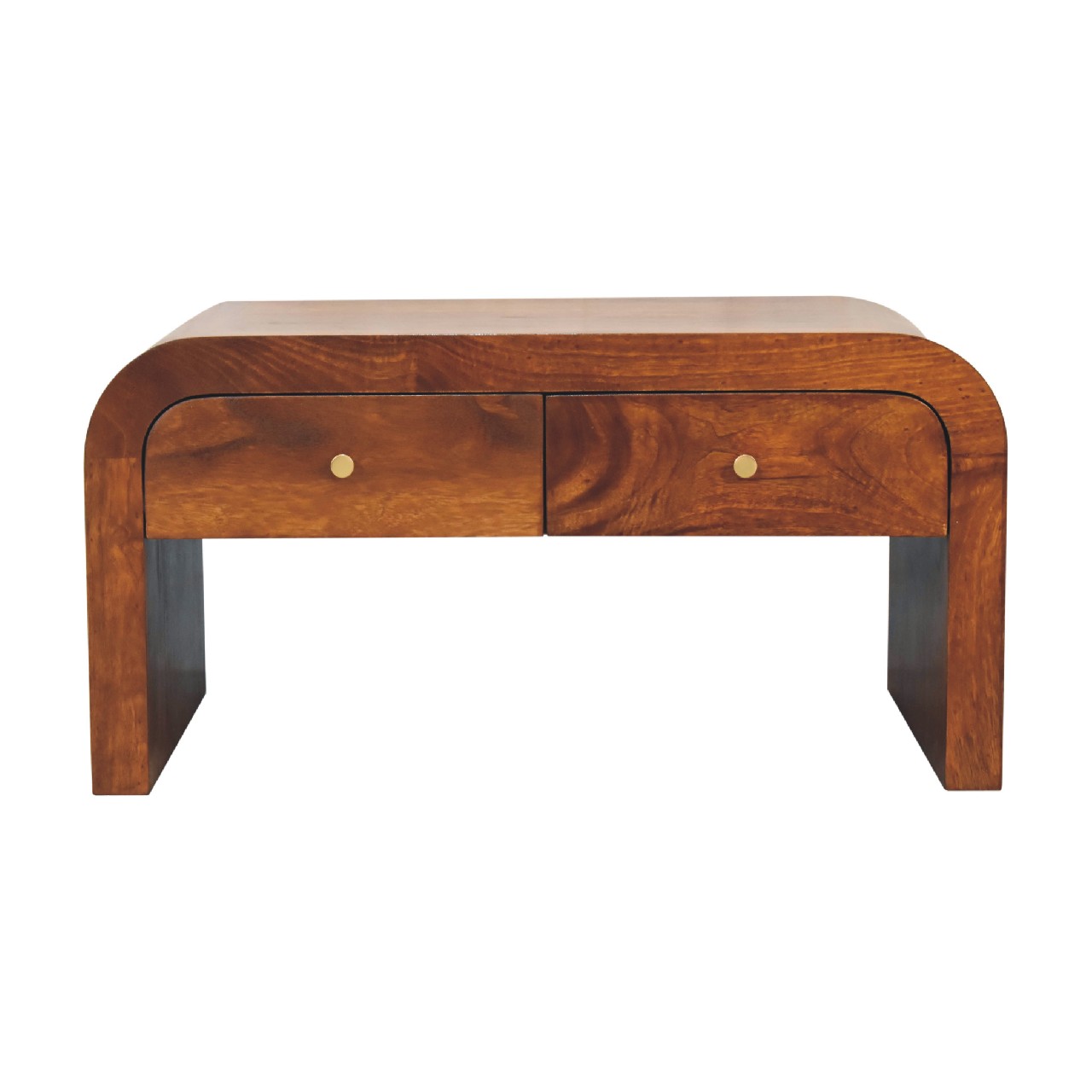
Darcy Chestnut Coffee Table
- Width
- 31.5″
- Depth
- 19.7″
- Height
- 15.8″
To view our trade prices online
Trial our custom options to resize & change finish or upholstery
Trade Consultation
Planning a Hospitality or Commercial Project?
If your project needs solid wood specification support, custom dimensions, or finish samples, request a consultation with our trade team.