

Key Takeaway
When assessing vendors, it is essential to consider multiple factors that contribute to their overall reliability and compliance.
Risk Assessment Criteria for Vendors
Effective vendor management is critical in the procurement process, particularly when evaluating potential suppliers. The risk assessment criteria for vendors serve as a framework to ensure that organizations select reliable partners who align with their operational and strategic goals. These criteria encompass various dimensions, including compliance standards, financial stability, and performance history.
Establishing robust risk assessment criteria helps mitigate potential issues associated with vendor relationships. According to a study by the Institute for Supply Management (ISM), organizations that implement structured vendor evaluations can reduce supply chain disruptions by up to 30% (Source: ISM). This statistic underscores the importance of thorough assessments in maintaining operational efficiency.
Key Risk Assessment Criteria for Vendors
When assessing vendors, it is essential to consider multiple factors that contribute to their overall reliability and compliance. Here are some key criteria:
- Compliance Standards: Ensure vendors meet relevant industry regulations and standards such as ISO certifications or local compliance requirements.
- Financial Stability: Analyze financial statements and credit ratings to gauge the vendor's economic health.
- Performance History: Review past performance metrics, including delivery times, quality of goods or services provided, and customer feedback.
- Operational Capacity: Assess whether the vendor has adequate resources—such as workforce size and technological capabilities—to meet your demands consistently.
These criteria provide a comprehensive view of a vendor’s ability to fulfill contractual obligations while minimizing risks associated with non-compliance or service failures.
Evaluating Vendor Risks Effectively
To evaluate vendor risks effectively, organizations should adopt a systematic approach that incorporates both qualitative and quantitative measures. Start by gathering data on each criterion identified previously through surveys, interviews, or third-party reports.
Next, assign weightings to each criterion based on its relevance to your specific procurement needs. For instance, if regulatory compliance is paramount in your industry (e.g., healthcare), this factor should carry more weight in your evaluation model than others like operational capacity.
Implementing scoring systems can facilitate comparisons among potential vendors. A well-defined scoring rubric allows procurement teams to quantify risks objectively rather than relying solely on subjective assessments.
Importance of Vendor Risk Assessment
Conducting thorough vendor risk assessments is not merely an administrative task; it plays a pivotal role in safeguarding organizational integrity and reputation. Inadequate supplier evaluations can lead not only to financial losses but also reputational damage due to subpar products or services reaching end customers.
Moreover, according to Deloitte's Global Outsourcing Survey 2020, companies prioritizing comprehensive risk assessments reported higher satisfaction levels with their suppliers compared to those who did not engage in such practices (Source: Deloitte). This correlation emphasizes how effective evaluations translate into stronger partnerships over time.
Relevant Trade Services
Frequently Asked Questions
Related Guides in Vendor Evaluation Criteria
Relevant Trade Products
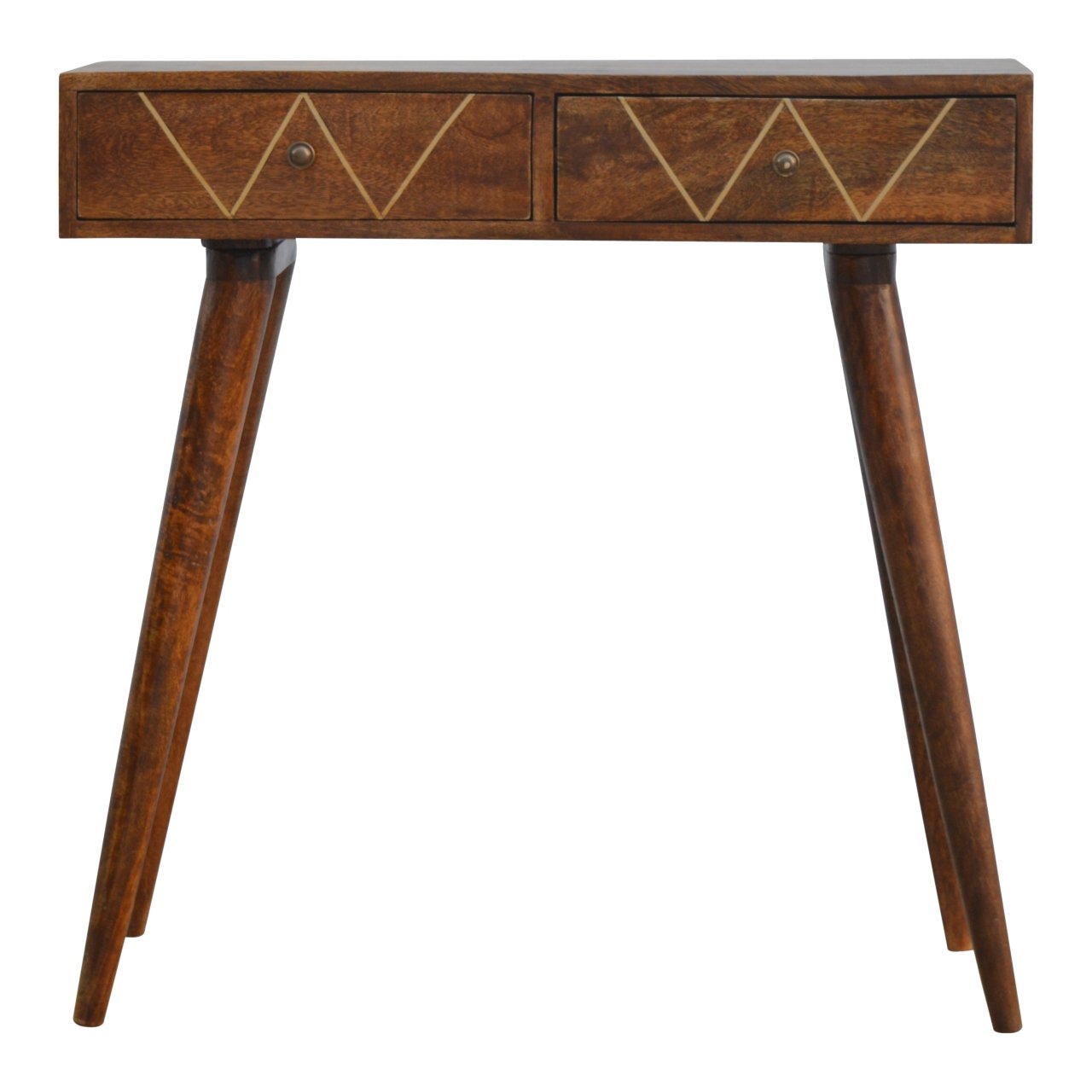
Geometric Brass Console Table
- Width
- 31.5″
- Depth
- 15.8″
- Height
- 30.7″
To view our trade prices online
Trial our custom options to resize & change finish or upholstery

Curved Chestnut Coffee Table
- Width
- 33.5″
- Depth
- 21.7″
- Height
- 17.7″
To view our trade prices online
Trial our custom options to resize & change finish or upholstery

Curved Chestnut Console Table
- Width
- 35.4″
- Depth
- 13.8″
- Height
- 35.4″
To view our trade prices online
Trial our custom options to resize & change finish or upholstery

Chestnut 4 Drawer Console Table
- Width
- 39.4″
- Depth
- 11.8″
- Height
- 35.4″
To view our trade prices online
Trial our custom options to resize & change finish or upholstery

Oak-ish Wave Coffee Table
- Width
- 31.5″
- Depth
- 19.7″
- Height
- 15.8″
To view our trade prices online
Trial our custom options to resize & change finish or upholstery
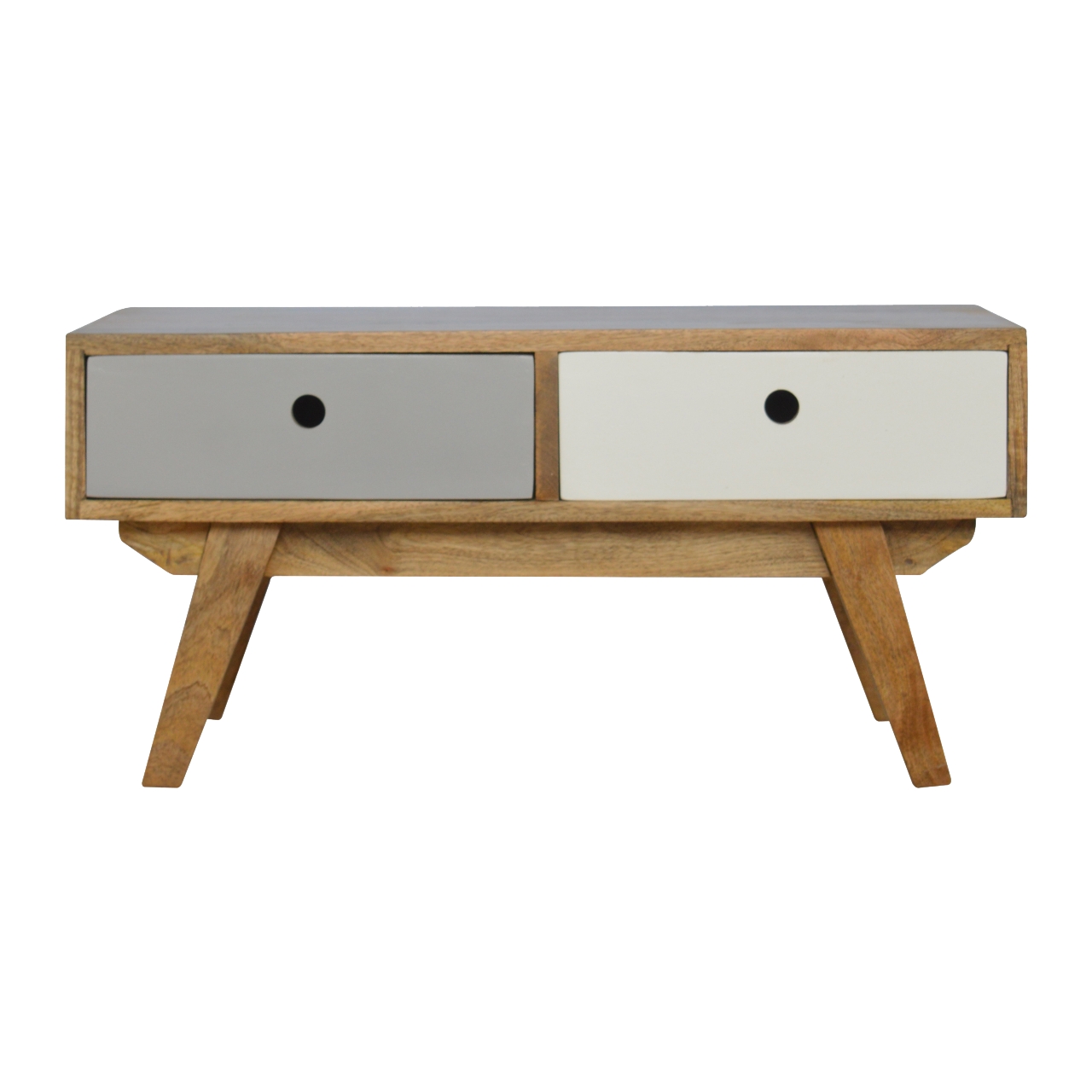
Two Tone Painted Coffee Table
- Width
- 31.5″
- Depth
- 19.7″
- Height
- 15.4″
To view our trade prices online
Trial our custom options to resize & change finish or upholstery
Trade Consultation
Planning a Hospitality or Commercial Project?
If your project needs solid wood specification support, custom dimensions, or finish samples, request a consultation with our trade team.