

Key Takeaway
template for evaluating supplier proposals streamlines the supplier selection process.
Template for Evaluating Supplier Proposals
A well-structured template for evaluating supplier proposals is essential in the procurement process. It provides a systematic approach to assess vendor qualifications, ensuring that decisions are based on objective criteria rather than subjective opinions. This structured evaluation minimizes risks and enhances the likelihood of successful partnerships.
The importance of using a comprehensive evaluation template cannot be overstated. According to research by CIPS, organizations that implement formalized procurement processes can achieve up to 20% savings on total costs (Source: CIPS). This statistic underscores how critical it is to have an effective framework in place when assessing supplier proposals.
Supplier Selection Process
The supplier selection process involves several key steps designed to identify and choose the most suitable vendors for your needs. Initially, you must define what criteria will guide your assessment. Common factors include price, quality, delivery timeframes, and service levels. Establishing these parameters upfront allows you to create a more focused evaluation template.
Once criteria are defined, gather proposals from potential suppliers. Each proposal should be evaluated against the established benchmarks using a scoring matrix or similar tool. This method not only streamlines decision-making but also ensures transparency throughout the selection process.
Procurement Best Practices
Adopting best practices in procurement can significantly enhance your ability to evaluate supplier proposals effectively. One such practice is involving cross-functional teams during the assessment phase. By incorporating insights from different departments—such as finance, operations, and legal—you gain a holistic view of each proposal's implications.
Additionally, maintaining clear communication with suppliers throughout the evaluation process fosters trust and encourages competitive pricing strategies. A study by APICS indicates that organizations with strong supplier relationships experience 12% fewer disruptions (Source: APICS). Thus, investing time in building rapport during evaluations pays dividends long after contracts are signed.
Vendor Assessment Criteria
When developing vendor assessment criteria within your evaluation template, consider including both qualitative and quantitative measures. Quantitative metrics might involve cost comparisons or delivery performance statistics; qualitative assessments could focus on customer service responsiveness or innovation capabilities.
It is also beneficial to rank these criteria according to their importance relative to your organizational goals. For instance, if timely delivery is critical due to project deadlines, assign it greater weight in your scoring system compared to other factors like price alone.
What Is a Supplier Proposal Template?
A supplier proposal template serves as a standardized document used by vendors when submitting bids for projects or contracts. It typically includes sections outlining company background information, product specifications or services offered, pricing structures, and terms of service agreements.
Using this type of template ensures consistency across submissions which simplifies comparison among multiple suppliers' offerings while reducing ambiguity regarding expectations from both parties involved in negotiations.
How To Evaluate Supplier Proposals?
Evaluating supplier proposals requires careful analysis against predefined criteria outlined earlier in this report. Start by reviewing each submission thoroughly before entering data into your scoring matrix or checklist format tailored specifically for this purpose.
Consider conducting interviews with shortlisted candidates as part of due diligence; direct engagement often reveals additional insights about their operational capabilities that written documents may not fully capture.
What Criteria To Use For Supplier Evaluation?
Criteria for evaluating suppliers should encompass various dimensions relevant not just at initial selection but throughout any ongoing relationship management efforts post-selection too:
- Cost - Analyze total cost implications beyond just unit prices.
- Quality - Assess past performance records related directly back towards quality assurance standards adhered.
- Delivery Reliability - Review historical data concerning punctuality/performance metrics.
- Customer Support - Gauge responsiveness through previous engagements/testimonials where available.
- Compliance & Certifications - Verify necessary industry certifications (e.g., ISO 9001) demonstrating adherence toward regulatory frameworks applicable within specific sectors served by potential partners engaged herewith.
By employing these robust assessment tools alongside well-defined templates tailored explicitly around unique business requirements present today—organizations can better navigate complexities inherent within modern supply chains whilst optimizing overall procurement effectiveness over time!
In summary: Implementing an effective template for evaluating supplier proposals facilitates informed decision-making grounded upon objective analysis rather than subjective impressions alone! As you refine your approach further still—consider integrating technology solutions capable of automating aspects surrounding data collection/analysis thereby enhancing efficiency even more!
Relevant Trade Services
Related Guides in Material Sourcing Strategies
Relevant Trade Products

Grey Line Carved Writing Desk
- Width
- 33.5″
- Depth
- 15.8″
- Height
- 31.5″
To view our trade prices online
Trial our custom options to resize & change finish or upholstery

Cement Brass Inlay Cabinet
- Width
- 31.5″
- Depth
- 15.8″
- Height
- 39.4″
To view our trade prices online
Trial our custom options to resize & change finish or upholstery
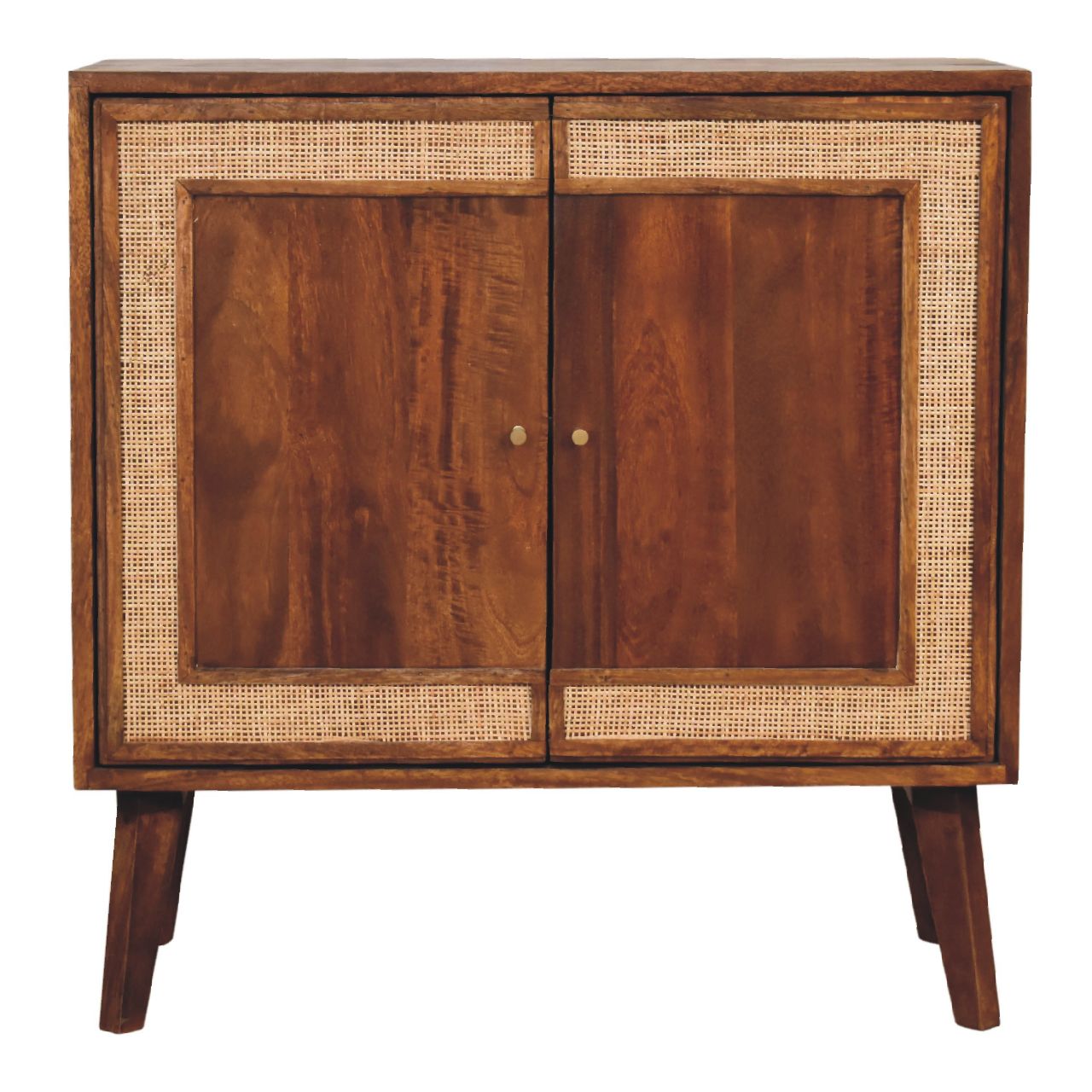
Carved Chestnut Cabinet
- Width
- 29.5″
- Depth
- 13.8″
- Height
- 30.3″
To view our trade prices online
Trial our custom options to resize & change finish or upholstery

Chestnut Cubed Brass Inlay Cabinet
- Width
- 29.5″
- Depth
- 13.8″
- Height
- 30.7″
To view our trade prices online
Trial our custom options to resize & change finish or upholstery

Cylindrical Bone Inlay Footstool
- Width
- 18.1″
- Depth
- 18.1″
- Height
- 22.1″
To view our trade prices online
Trial our custom options to resize & change finish or upholstery
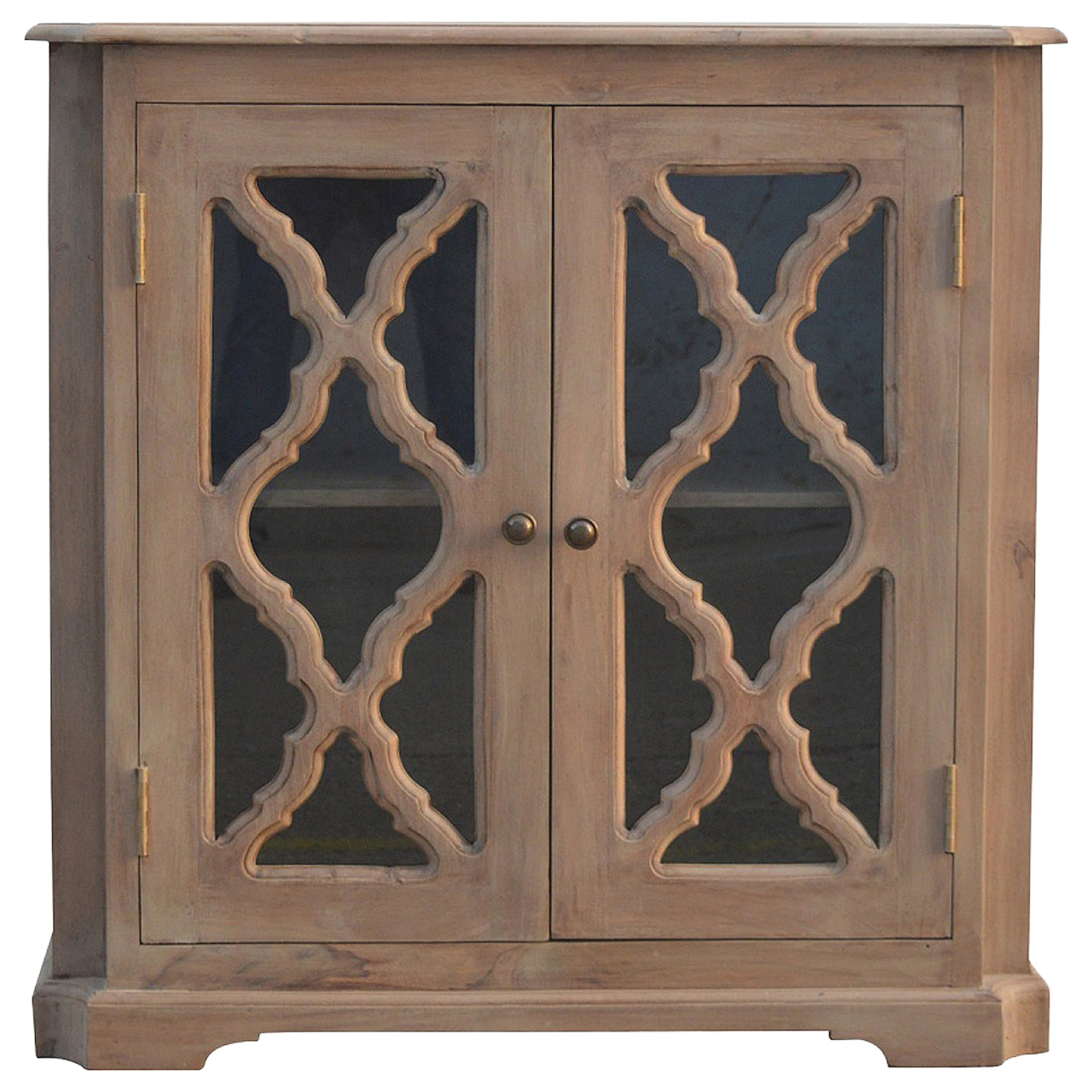
Carved Glazed Sidebaord
- Width
- 35.4″
- Depth
- 17.7″
- Height
- 35.4″
To view our trade prices online
Trial our custom options to resize & change finish or upholstery
Trade Consultation
Planning a Hospitality or Commercial Project?
If your project needs solid wood specification support, custom dimensions, or finish samples, request a consultation with our trade team.