

Key Takeaway
decision criteria for selecting materials in ff e helps streamline your material sourcing process.
Decision Criteria for Selecting Materials in FF&E
Selecting materials for furniture, fixtures, and equipment (FF&E) is a critical process that significantly impacts the overall quality and longevity of commercial projects. The decision criteria for selecting materials in FF&E encompass various factors including performance expectations, sustainability standards, cost analysis, and design considerations. Understanding these criteria will enable you to make informed decisions that align with project goals and client expectations.
Performance Expectations
When evaluating materials for FF&E, performance expectations are paramount. This includes assessing durability, maintenance requirements, and suitability for specific environments. For instance, textiles used in hospitality venues should withstand high traffic while maintaining aesthetic appeal. According to a study by the American Society of Interior Designers (ASID), 70% of designers prioritize durability when selecting materials for commercial spaces (Source: ASID).
Additionally, understanding material compatibility is crucial. Some finishes may not adhere well to certain substrates or could react negatively with other materials over time. Therefore, thorough testing and validation against industry standards such as ASTM International can provide assurance regarding material performance.
Sustainability Standards
Sustainability has become an essential criterion in material selection within the FF&E sector. Clients increasingly demand environmentally responsible options that minimize ecological impact without compromising quality or aesthetics. Adhering to recognized sustainability certifications like LEED can guide your choices effectively.
For example, using reclaimed wood not only reduces waste but also adds unique character to furnishings. Research indicates that sustainable products often lead to lower lifecycle costs due to reduced energy consumption during production (Source: US Green Building Council). By integrating sustainable practices into your procurement strategy, you enhance both environmental stewardship and market competitiveness.
Cost Analysis
Cost considerations play a significant role in the decision-making process when sourcing materials for FF&E projects. It is essential to evaluate both initial purchase prices and long-term value through lifecycle costing methods. A comprehensive cost analysis should include factors such as installation expenses, maintenance needs over time, and potential replacement costs.
Moreover, conducting supplier assessments can yield insights into pricing structures across different vendors while ensuring compliance with quality standards. According to research from the National Institute of Standards and Technology (NIST), organizations that perform rigorous supplier evaluations report up to 15% savings on procurement costs (Source: NIST).
Design Considerations
The aesthetic aspect cannot be overlooked when selecting materials for FF&E projects; they must align with design intentions while meeting functional requirements. Material selection influences visual coherence throughout a space—colors must complement one another while textures contribute depth.
Incorporating user preferences early in the design phase enhances satisfaction levels post-installation. Engaging stakeholders through surveys or focus groups allows you to gather valuable feedback on material choices before finalizing selections.
Frequently Asked Questions
What are the key factors in material selection?
Key factors include performance expectations such as durability; sustainability standards focusing on eco-friendliness; cost analysis considering both immediate expenses and long-term value; along with design considerations that ensure aesthetic alignment with project goals.
How do I evaluate materials for FF&E?
Evaluating materials involves assessing their physical properties against project requirements while considering supplier reliability based on past performance records or certifications like ISO 9001 which indicate adherence to quality management systems.
What criteria should be used for sourcing materials?
Criteria should encompass aspects like compliance with relevant safety regulations; availability within specified timelines; alignment with budget constraints; plus an evaluation of environmental impact based on established sustainability metrics.
By adhering closely to these decision criteria—performance expectations, sustainability standards, cost analysis—and thoughtful design considerations—you position yourself strategically within the competitive landscape of FF&E procurement.
Relevant Trade Services
Related Guides in Material Sourcing Strategies
Relevant Trade Products
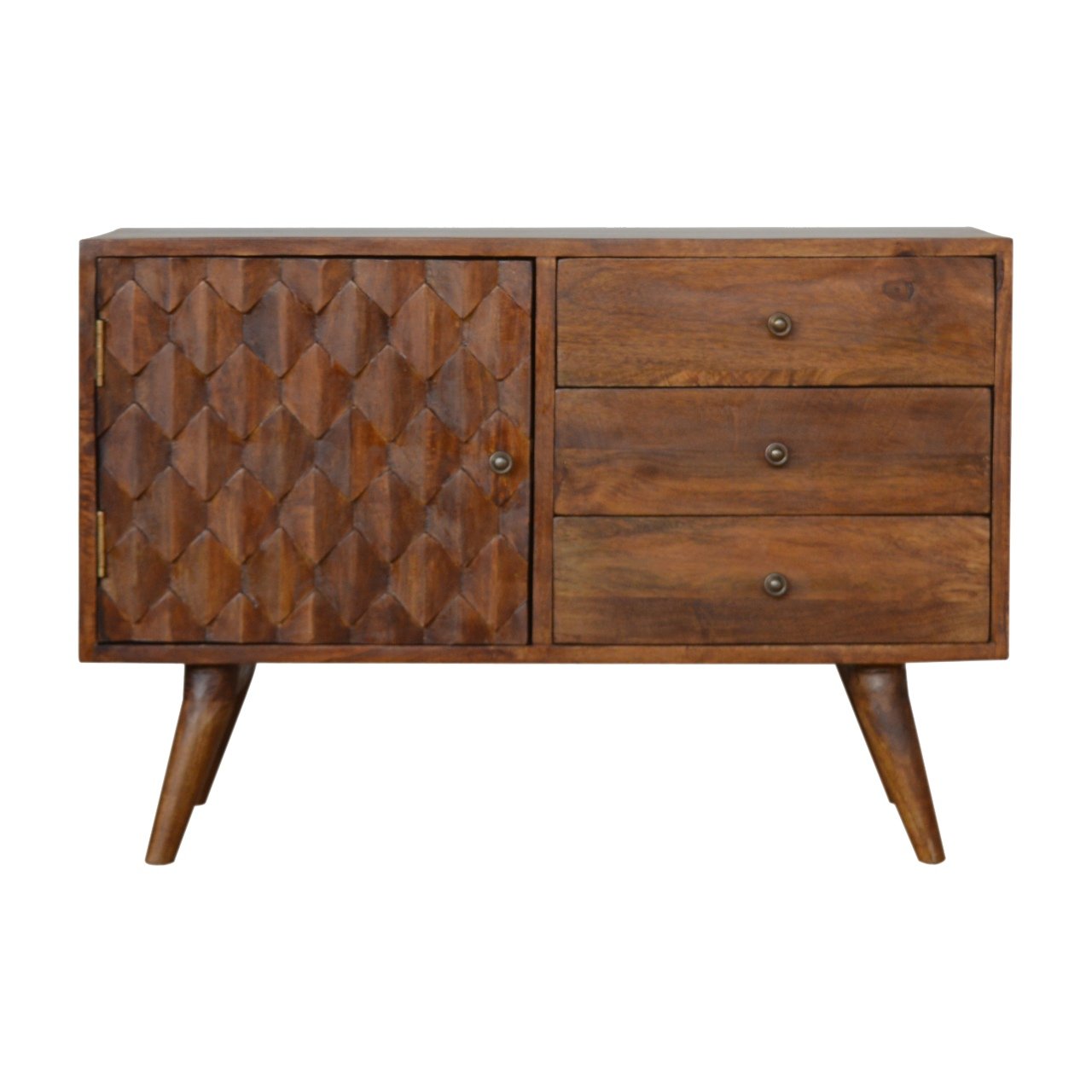
Carved Chestnut Sideboard
- Width
- 34.7″
- Depth
- 13.8″
- Height
- 22.8″
To view our trade prices online
Trial our custom options to resize & change finish or upholstery

Pineapple Carved Sideboard
- Width
- 34.7″
- Depth
- 13.8″
- Height
- 22.8″
To view our trade prices online
Trial our custom options to resize & change finish or upholstery

Solis Carved 4 Door Chestnut Sideboard
- Width
- 59.1″
- Depth
- 13.8″
- Height
- 31.5″
To view our trade prices online
Trial our custom options to resize & change finish or upholstery
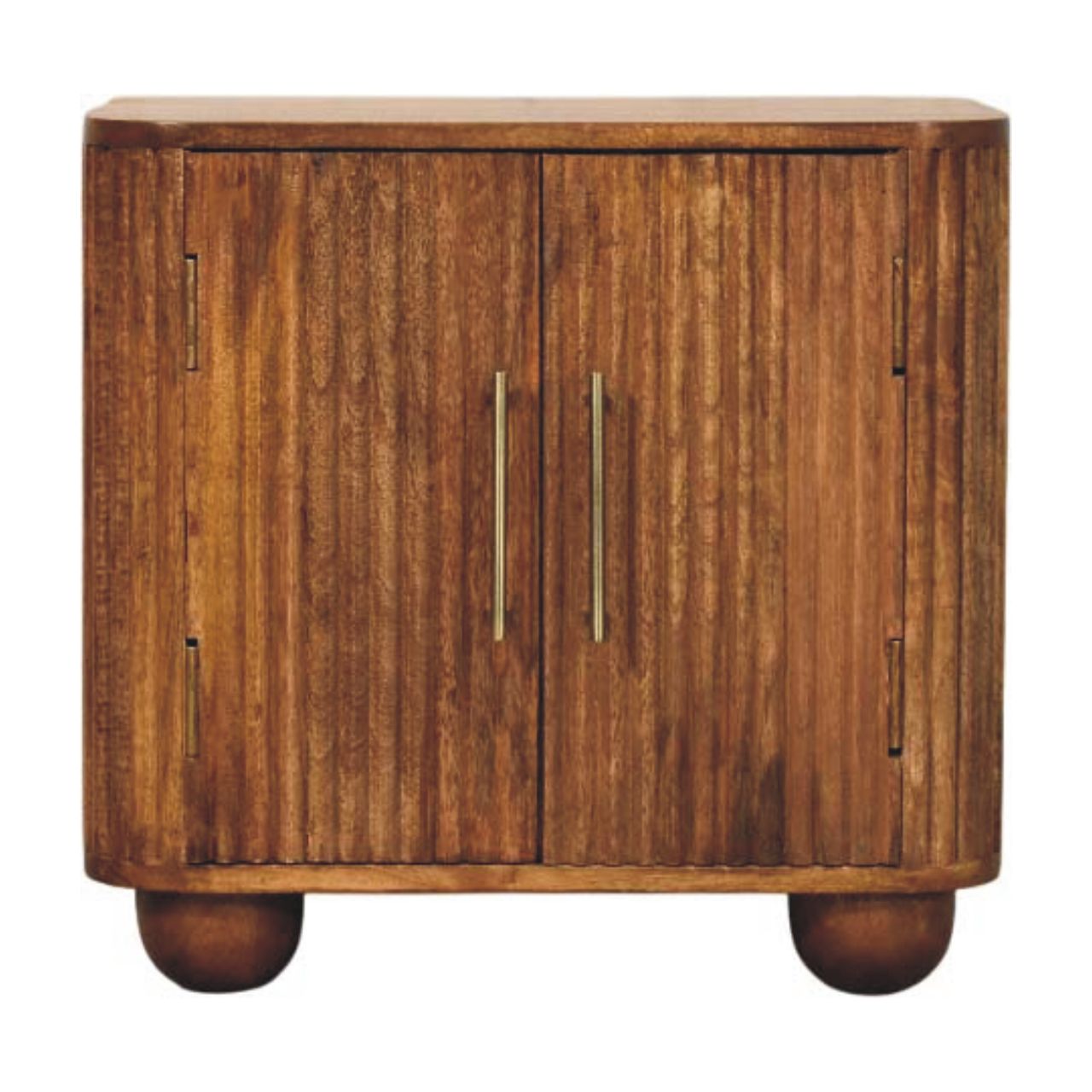
Solis Fluted Mini Sideboard
- Width
- 21.7″
- Depth
- 15.8″
- Height
- 20.9″
To view our trade prices online
Trial our custom options to resize & change finish or upholstery
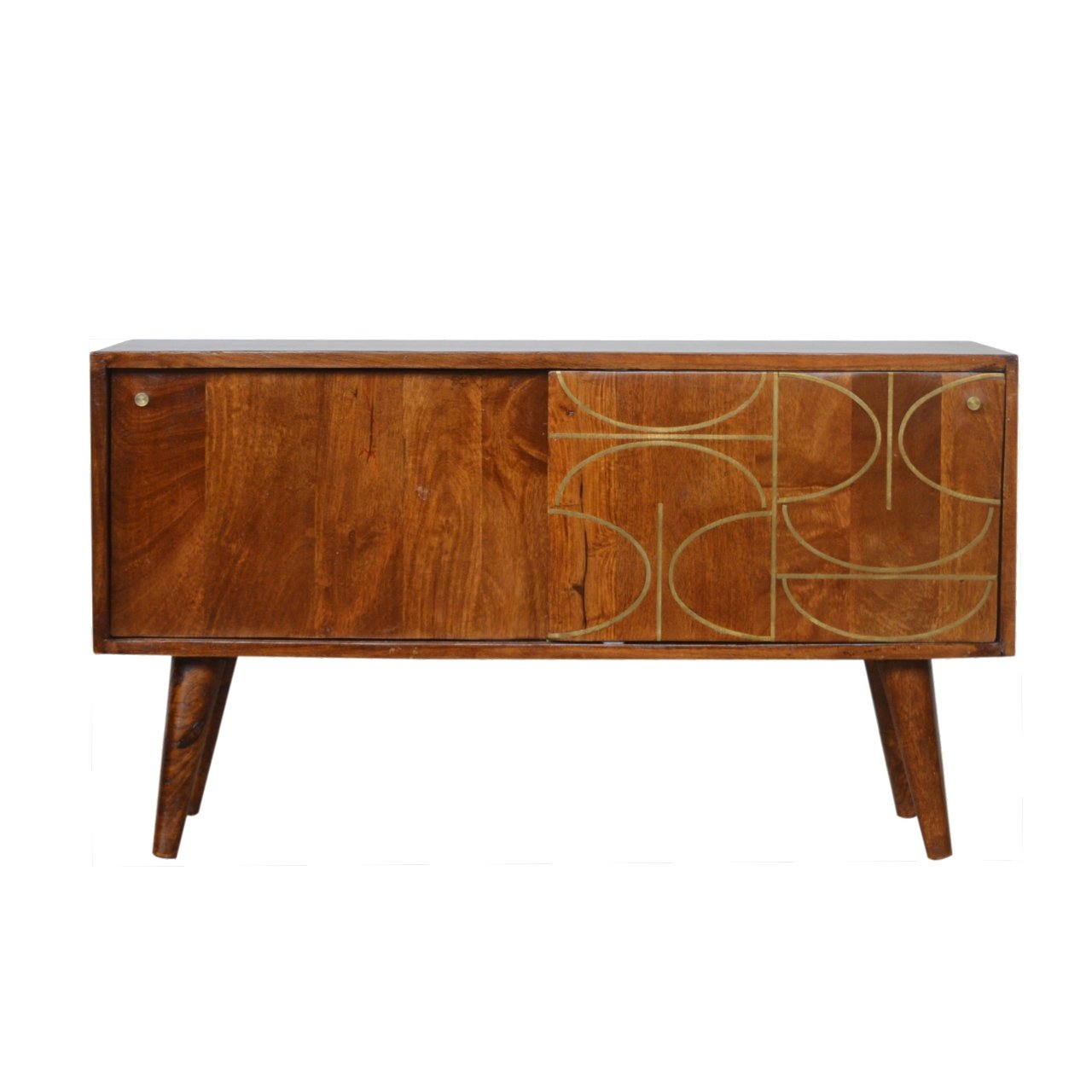
Chestnut Abstract Inlay Sideboard
- Width
- 34.7″
- Depth
- 13.8″
- Height
- 19.3″
To view our trade prices online
Trial our custom options to resize & change finish or upholstery

Grey Line Carved Writing Desk
- Width
- 33.5″
- Depth
- 15.8″
- Height
- 31.5″
To view our trade prices online
Trial our custom options to resize & change finish or upholstery
Trade Consultation
Planning a Hospitality or Commercial Project?
If your project needs solid wood specification support, custom dimensions, or finish samples, request a consultation with our trade team.