

Key Takeaway
Comparison of sustainable materials for commercial use provides insights for informed sourcing decisions.
Comparison of Sustainable Materials for Commercial Use
The comparison of sustainable materials for commercial use is essential in today’s eco-conscious market. Businesses increasingly prioritize sustainability, not only to meet regulatory requirements but also to align with consumer preferences. The choice of materials impacts both the environmental footprint and the overall aesthetic and functionality of commercial spaces. Understanding various sustainable options allows organizations to make informed decisions that enhance their brand image while contributing positively to the environment.
Sustainable Sourcing Strategies
Sustainable sourcing involves selecting materials that minimize environmental impact throughout their lifecycle. This includes evaluating the extraction, production, transportation, and disposal processes associated with each material. For instance, reclaimed wood significantly reduces waste by repurposing existing timber rather than harvesting new trees. According to a study by the Forest Stewardship Council (FSC), using reclaimed wood can lower carbon emissions by up to 60% compared to traditional lumber.
When considering sustainable sourcing strategies, businesses should assess certifications such as FSC or Cradle to Cradle, which ensure responsible forestry practices and material safety. These certifications provide a framework for verifying that sourced materials adhere to specific sustainability standards. Implementing these strategies not only enhances corporate responsibility but also appeals to an increasingly discerning customer base.
Eco-Friendly Materials: Types and Benefits
Several types of eco-friendly materials are available for commercial use, each offering unique benefits:
Bamboo: Known for its rapid growth rate and strength, bamboo is an excellent alternative to hardwoods. It can grow up to three feet in just 24 hours and reaches maturity within three years. This makes it a highly renewable resource.
Recycled Plastics: Utilizing recycled plastics helps divert waste from landfills while providing durable products suitable for outdoor furniture or flooring applications.
Organic Cotton: Free from synthetic pesticides and fertilizers, organic cotton supports healthier ecosystems while providing comfortable textiles ideal for upholstery in hospitality settings.
Each material type presents distinct advantages that contribute toward achieving sustainability goals within commercial projects.
Evaluating Material Compatibility with Design
Evaluating compatibility between sustainable materials and design requirements is crucial during procurement processes. Factors such as durability, maintenance needs, cost-effectiveness, and aesthetic appeal must be considered when integrating these materials into designs.
For example, while bamboo offers exceptional strength suitable for structural elements or furniture pieces, its moisture sensitivity may limit its application in humid environments without proper treatment measures. Similarly, recycled plastics can provide innovative design solutions; however, they may require additional considerations regarding color consistency or texture compared with traditional options.
Organizations should establish criteria based on project specifications alongside sustainability objectives when assessing potential material choices.
Risks Associated with Non-Sustainable Materials
Using non-sustainable materials poses several risks that extend beyond environmental concerns; they can affect brand reputation as well as operational costs over time. Non-renewable resources often lead companies towards volatile pricing structures influenced by market demand fluctuations or scarcity issues inherent within fossil fuels used in manufacturing certain products.
Moreover, failing to adopt sustainable practices could alienate environmentally conscious consumers who prefer brands committed toward reducing ecological footprints—potentially resulting in lost sales opportunities amid growing competition focused on green initiatives.
Companies must weigh these risks against short-term savings associated with cheaper alternatives when determining long-term procurement strategies aligned with sustainability goals.
Relevant Trade Services
Frequently Asked Questions
Related Guides in Material Sourcing Strategies
Relevant Trade Products

Arched Rattan Two-Door Sideboard
- Width
- 29.5″
- Depth
- 13.8″
- Height
- 27.6″
To view our trade prices online
Trial our custom options to resize & change finish or upholstery

Golden Teak Solid Wood Dining Table
- Width
- 35.4″
- Depth
- 35.4″
- Height
- 29.9″
To view our trade prices online
Trial our custom options to resize & change finish or upholstery

Classic Golden Teak Solid Wood Dining Table
- Width
- 70.9″
- Depth
- 35.4″
- Height
- 29.9″
To view our trade prices online
Trial our custom options to resize & change finish or upholstery
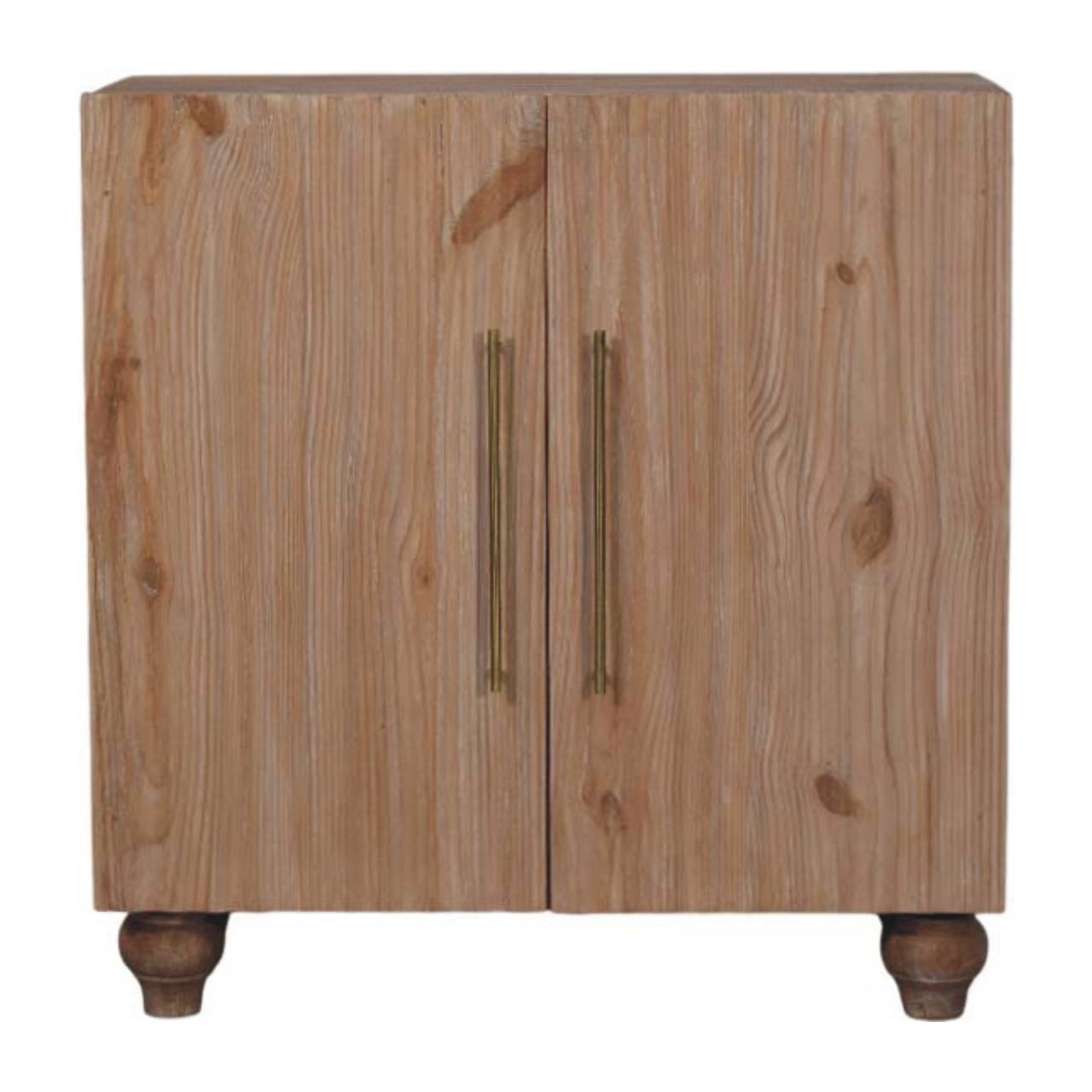
Sandgrain Pine & Mango Sideboard
- Width
- 31.5″
- Depth
- 13.8″
- Height
- 32.7″
To view our trade prices online
Trial our custom options to resize & change finish or upholstery

Solid Mango 2 Drawer Console
- Width
- 39.4″
- Depth
- 15″
- Height
- 31.5″
To view our trade prices online
Trial our custom options to resize & change finish or upholstery

Mango Hallway Castor Bench
- Width
- 59.1″
- Depth
- 14.2″
- Height
- 20.5″
To view our trade prices online
Trial our custom options to resize & change finish or upholstery
Trade Consultation
Planning a Hospitality or Commercial Project?
If your project needs solid wood specification support, custom dimensions, or finish samples, request a consultation with our trade team.