

Key Takeaway
guide to optimizing material costs in procurement to enhance project profitability.
Guide to Optimizing Material Costs in Procurement
Effective management of material costs is crucial for any procurement strategy. This guide to optimizing material costs in procurement will provide you with actionable insights and techniques that enhance your cost control while maintaining quality. Understanding the nuances of procurement can lead to significant savings and improved supplier relationships.
Cost Reduction Techniques
Implementing effective cost reduction techniques begins with a thorough analysis of current spending patterns. By examining historical data, organizations can identify high-cost areas and potential savings opportunities. For instance, a study by the Institute for Supply Management found that companies employing strategic sourcing practices could reduce their procurement costs by an average of 15%.
Another critical aspect is engaging suppliers in discussions about pricing structures and volume discounts. Establishing long-term partnerships often leads to better pricing arrangements, as suppliers are more inclined to offer competitive rates when they foresee ongoing business.
Procurement Efficiency Strategies
To achieve efficiency in procurement processes, it is essential to streamline operations through technology integration. Utilizing software solutions such as SAP Ariba or Coupa can automate routine tasks, thereby reducing manual errors and freeing up valuable time for strategic decision-making. According to a report from Gartner, organizations that adopt digital tools see productivity improvements ranging from 20% to 30%.
Additionally, training staff on best practices in procurement can significantly impact efficiency levels. Educating team members about negotiation tactics and market trends equips them with the skills necessary for making informed purchasing decisions.
Supplier Negotiation Tactics
Negotiating effectively with suppliers requires preparation and understanding of both parties' needs. Start by conducting comprehensive research on market prices and alternative options available within your industry. This knowledge empowers you during negotiations, allowing you to present compelling arguments for lower prices or better terms.
Moreover, establishing clear communication channels fosters transparency between you and your suppliers. Regular check-ins not only build trust but also enable quick resolution of issues that may arise during the procurement process.
Why Is Material Cost Management Important?
Material cost management plays a pivotal role in ensuring project profitability across various sectors, particularly within FF&E (Furniture, Fixtures & Equipment) procurement contexts where margins can be tight. A well-structured approach allows businesses to allocate resources efficiently while minimizing wasteful expenditure.
Furthermore, effective cost management enhances overall financial health by contributing directly to profit margins; according to McKinsey & Company, companies focusing on rigorous cost controls experience profit margin improvements averaging 5-10% over three years.
Tools That Help Optimize Material Costs
The use of specialized tools is instrumental in monitoring material costs effectively throughout the procurement cycle. Software platforms designed for inventory management help track stock levels accurately while providing insights into purchasing trends over time.
In addition, analytics tools enable detailed assessments of supplier performance against key metrics such as delivery times and product quality—insights that inform future purchasing decisions.
Assessing Material Quality
Quality assessment should never be overlooked when managing material costs; low-quality materials often lead to increased expenses due to returns or replacements down the line. Implementing strict quality control measures at every stage—from sourcing through delivery—ensures that only materials meeting predefined standards are accepted into inventory.
Establishing criteria based on ISO 9001 standards helps maintain consistency across all procured items while safeguarding against potential losses associated with inferior products.
Relevant Trade Services
Related Guides in Material Sourcing Strategies
Relevant Trade Products

U-Shape Bone Inlay Chest
- Width
- 36.2″
- Depth
- 14.2″
- Height
- 30.3″
To view our trade prices online
Trial our custom options to resize & change finish or upholstery
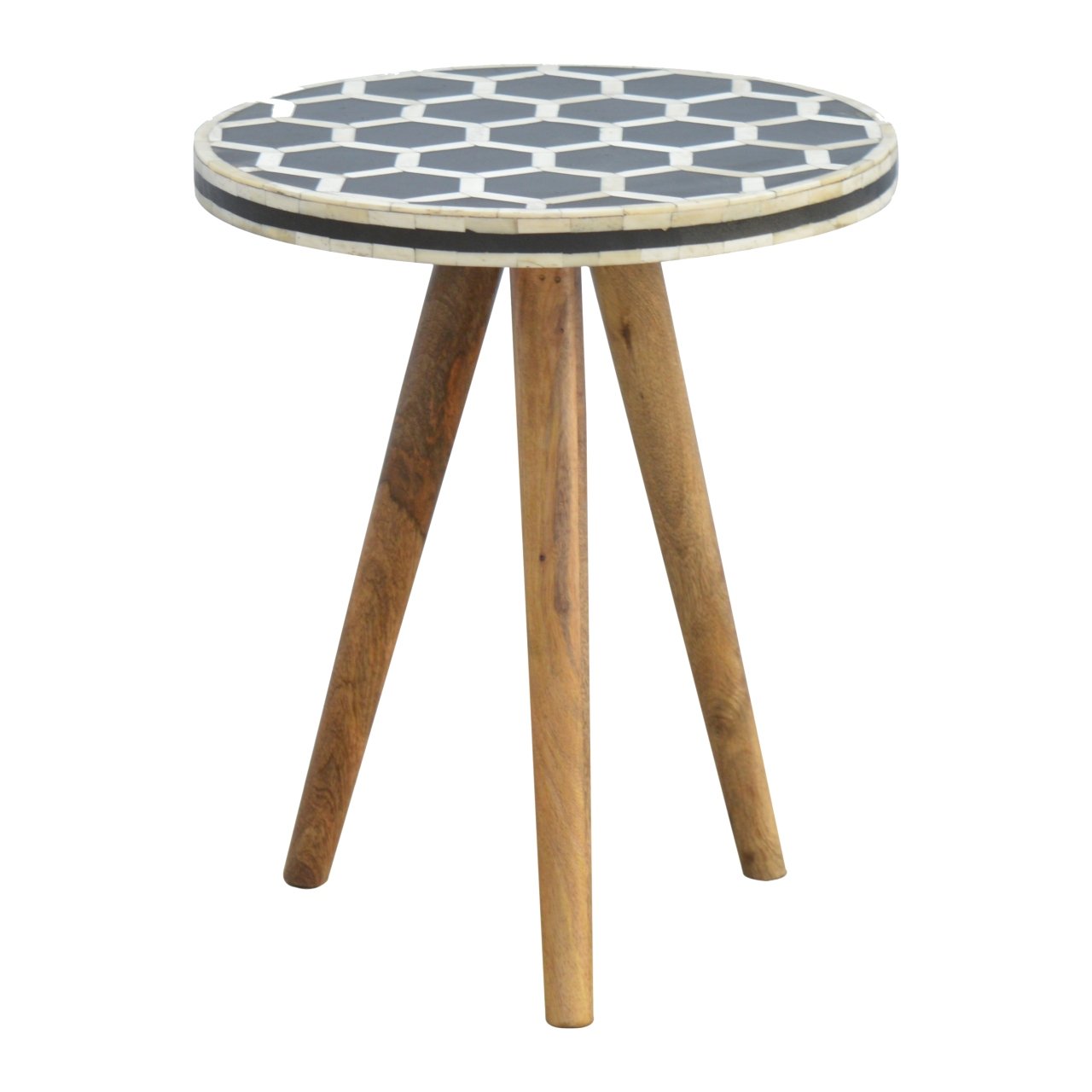
Bone Inlay Tripod Stool
- Width
- 13.8″
- Depth
- 13.8″
- Height
- 16.5″
To view our trade prices online
Trial our custom options to resize & change finish or upholstery

Chestnut End Table with Gold Inlay
- Width
- 15.8″
- Depth
- 15″
- Height
- 19.7″
To view our trade prices online
Trial our custom options to resize & change finish or upholstery

Geometric Brass Inlay Media Unit
- Width
- 35.4″
- Depth
- 13.8″
- Height
- 18.5″
To view our trade prices online
Trial our custom options to resize & change finish or upholstery

Pineapple Carved Chest
- Width
- 29.5″
- Depth
- 13.8″
- Height
- 30.3″
To view our trade prices online
Trial our custom options to resize & change finish or upholstery

Pineapple Carved Cabinet
- Width
- 29.5″
- Depth
- 13.8″
- Height
- 30.3″
To view our trade prices online
Trial our custom options to resize & change finish or upholstery
Trade Consultation
Planning a Hospitality or Commercial Project?
If your project needs solid wood specification support, custom dimensions, or finish samples, request a consultation with our trade team.