
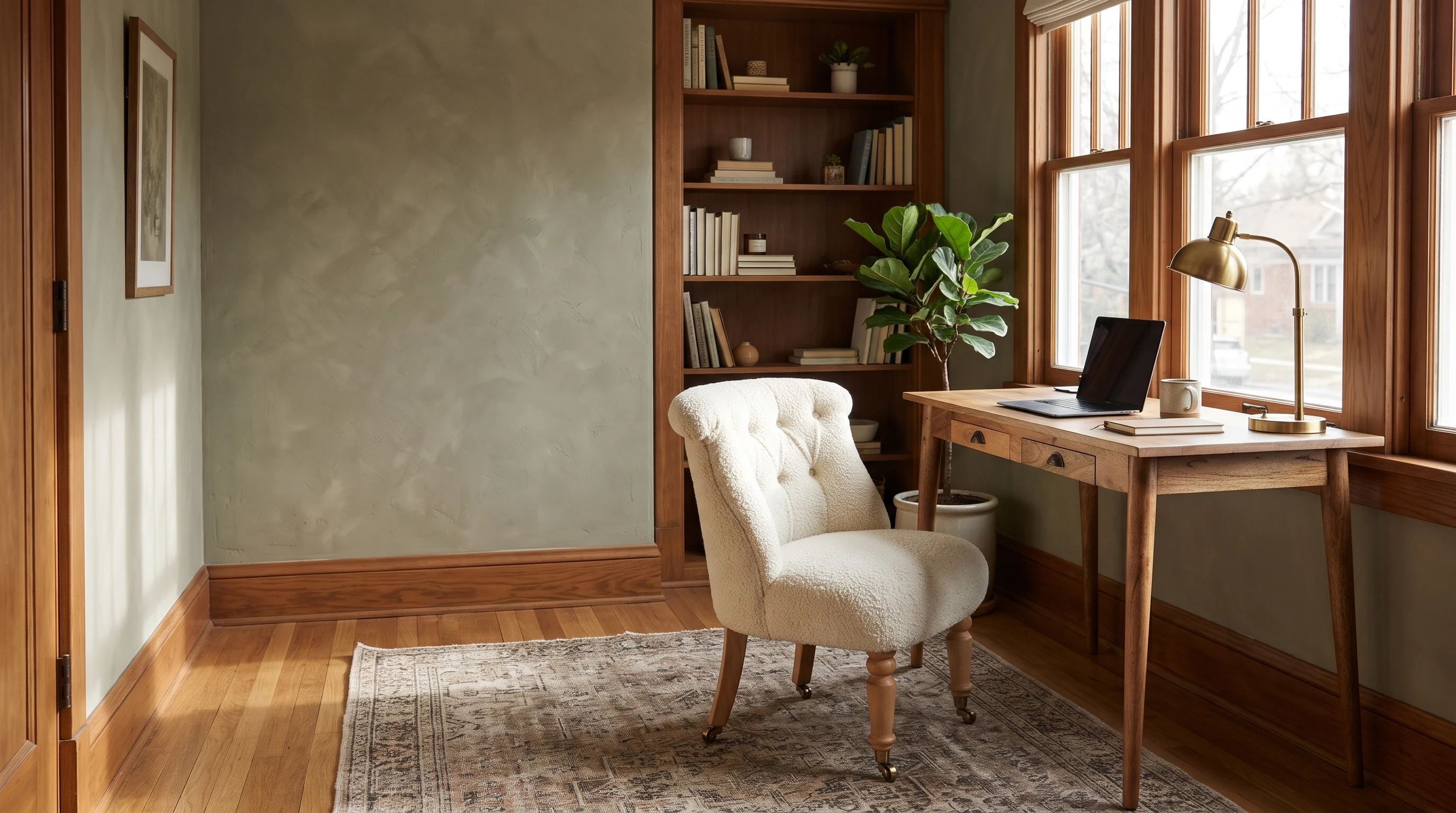
Key Takeaway
comparing ergonomic chair materials reveals key insights for selecting the right seating solutions.
Comparing Ergonomic Chair Materials
Selecting the right materials for ergonomic chairs is crucial for enhancing comfort, durability, and overall user satisfaction. The choice of chair materials directly affects how well a chair supports the body during prolonged use, which can significantly influence productivity and health outcomes. Understanding the benefits and limitations of various materials will empower you to make informed decisions that align with your specific needs.
Benefits of Different Chair Materials
The primary materials used in ergonomic chairs include foam padding, mesh fabric, leather upholstery, wood frames, and metal bases. Each material offers distinct advantages that cater to different preferences and requirements.
Foam padding is widely recognized for its ability to conform to body contours. High-density foam provides excellent support while maintaining resilience over time. According to research by BIFMA (Business + Institutional Furniture Manufacturers Association), high-quality foam can retain its shape after extensive use, ensuring long-lasting comfort. This adaptability reduces pressure points on the body, making it an ideal choice for individuals who spend long hours seated.
Mesh fabric has gained popularity due to its breathability and flexibility. It allows air circulation while providing necessary support through tensioned surfaces that adapt as users shift positions. Studies indicate that mesh-backed chairs can reduce heat buildup by up to 30%, promoting better thermal comfort. This feature is particularly beneficial in warmer environments or during extended periods of sitting.
Leather upholstery adds an element of luxury while offering durability and ease of maintenance. Genuine leather is resistant to wear but requires regular conditioning to prevent cracking over time. A survey conducted among office workers revealed that 65% preferred leather seats for their aesthetic appeal and perceived quality. However, it’s essential to consider environmental factors when choosing leather versus synthetic alternatives.
Evaluating Comfort Ratings
When assessing chair materials based on comfort ratings, several factors come into play: density levels in foam cushioning, stretch properties in fabrics like mesh or knit blends, and surface textures across different upholstery types. Comfort ratings often rely on subjective feedback; however, standardized testing methods exist.
ANSI (American National Standards Institute) outlines criteria for evaluating seating comfort through metrics such as pressure mapping technology which quantifies how evenly weight distributes across a seat surface. By analyzing these metrics alongside personal preference data—such as firmness level or softness—you can determine which material aligns best with your ergonomic needs.
Additionally, consider how each material interacts with your body's biomechanics during movement. For instance, a supportive yet flexible backrest made from molded foam may enhance lumbar support more effectively than rigid options found in some budget models.
Design Considerations When Choosing Chair Materials
Design plays a critical role not only in aesthetics but also functionality within any workspace setting—be it corporate offices or home environments tailored towards remote work setups. Selecting appropriate colors or finishes should complement existing décor while meeting practical demands like easy cleaning protocols associated with certain fabrics over others.
Moreover, understanding compatibility between frame structures (wood vs metal) helps ensure stability without sacrificing style choices—metal bases typically offer greater strength-to-weight ratios compared with wooden counterparts but may lack warmth visually speaking depending on finish applied.
Environmental sustainability increasingly influences purchasing decisions as well; opting for recycled materials where possible reflects growing consumer awareness regarding ecological impacts tied directly back into furniture procurement processes today—a trend noted by industry analysts projecting sustainable furniture sales growth at approximately 10% annually through 2025.
Key Takeaways
Choosing ergonomic chair materials involves balancing comfort preferences against design aesthetics while considering durability aspects relevant both short-term usage scenarios alongside long-term investment perspectives related specifically toward workplace wellness initiatives aimed at improving employee productivity rates overall—especially pertinent given recent shifts toward hybrid working models seen across various sectors globally today!
By understanding these dynamics surrounding material selection coupled together with robust evaluation frameworks available via ANSI standards ensures you’re equipped not just aesthetically but functionally too when navigating this complex landscape ahead!
To optimize your decision-making process further down this path towards finding suitable solutions tailored specifically around individual requirements outlined here today means engaging actively throughout every stage involved—from initial research phases right up until final acquisition stages thereafter ensuring maximum value derived ultimately from chosen investments made moving forward!
Relevant Trade Services
Frequently Asked Questions
Related Guides in Ergonomic Solutions
Relevant Trade Products
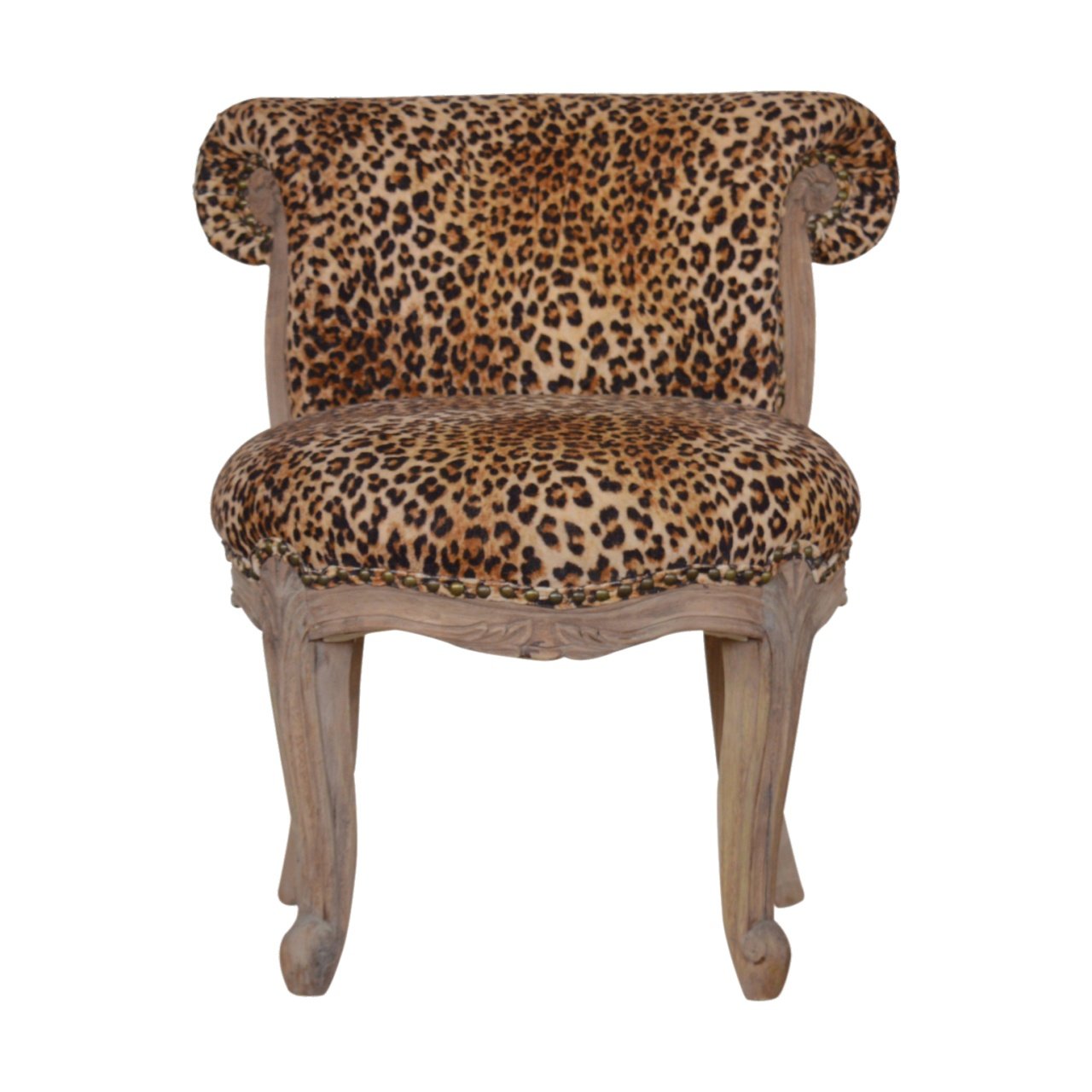
Leopard Print Studded Chair
- Width
- 19.7″
- Depth
- 19.7″
- Height
- 25.2″
To view our trade prices online
Trial our custom options to resize & change finish or upholstery

Leather Slatted Dining Chair
- Width
- 17.7″
- Depth
- 17.7″
- Height
- 37.4″
To view our trade prices online
Trial our custom options to resize & change finish or upholstery
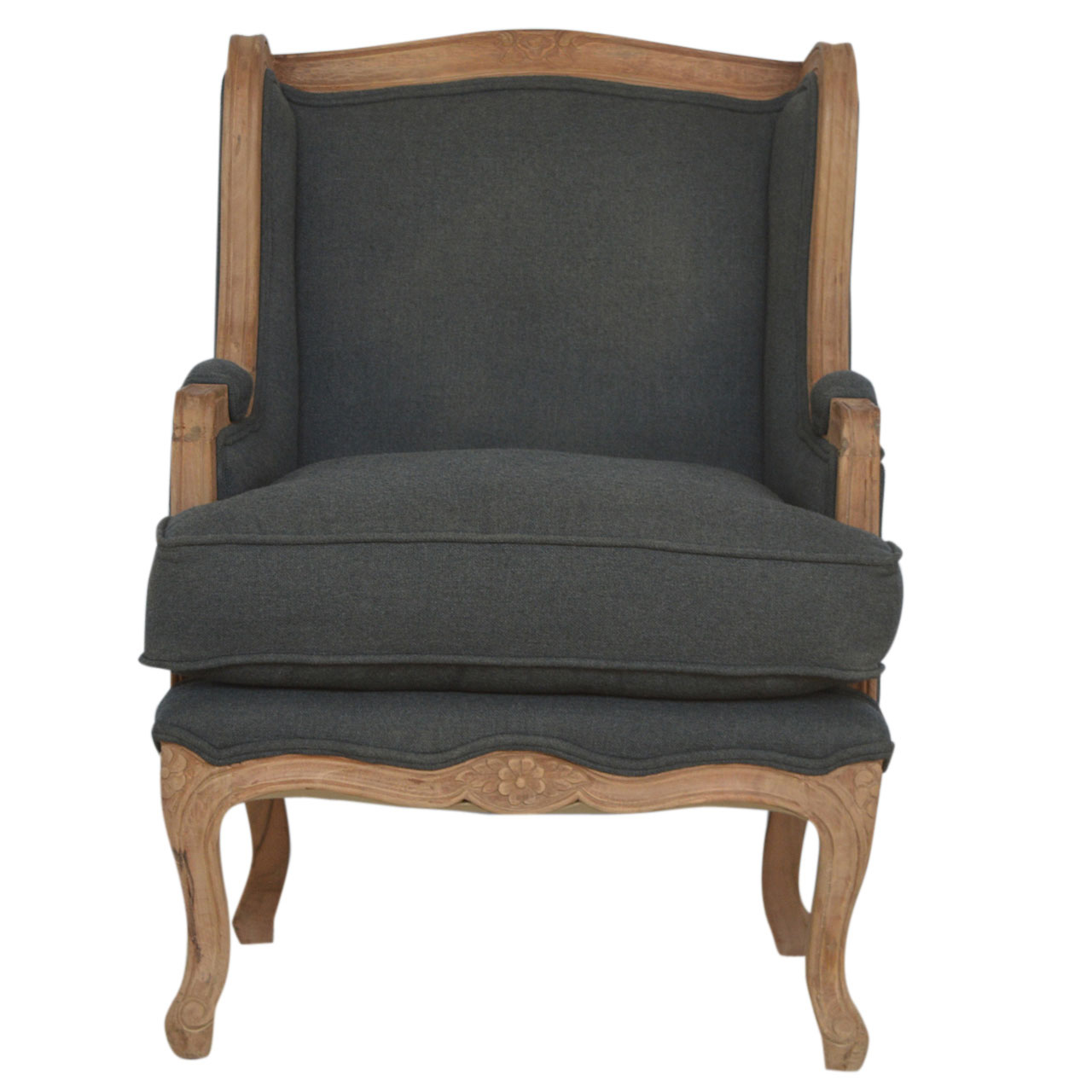
French Carved Chair
- Width
- 25.6″
- Depth
- 23.6″
- Height
- 37.4″
To view our trade prices online
Trial our custom options to resize & change finish or upholstery

Multi Tweed Studded Chair
- Width
- 19.7″
- Depth
- 19.7″
- Height
- 25.2″
To view our trade prices online
Trial our custom options to resize & change finish or upholstery

Small Multi Tweed Accent Chair
- Width
- 26.8″
- Depth
- 21.7″
- Height
- 28.7″
To view our trade prices online
Trial our custom options to resize & change finish or upholstery
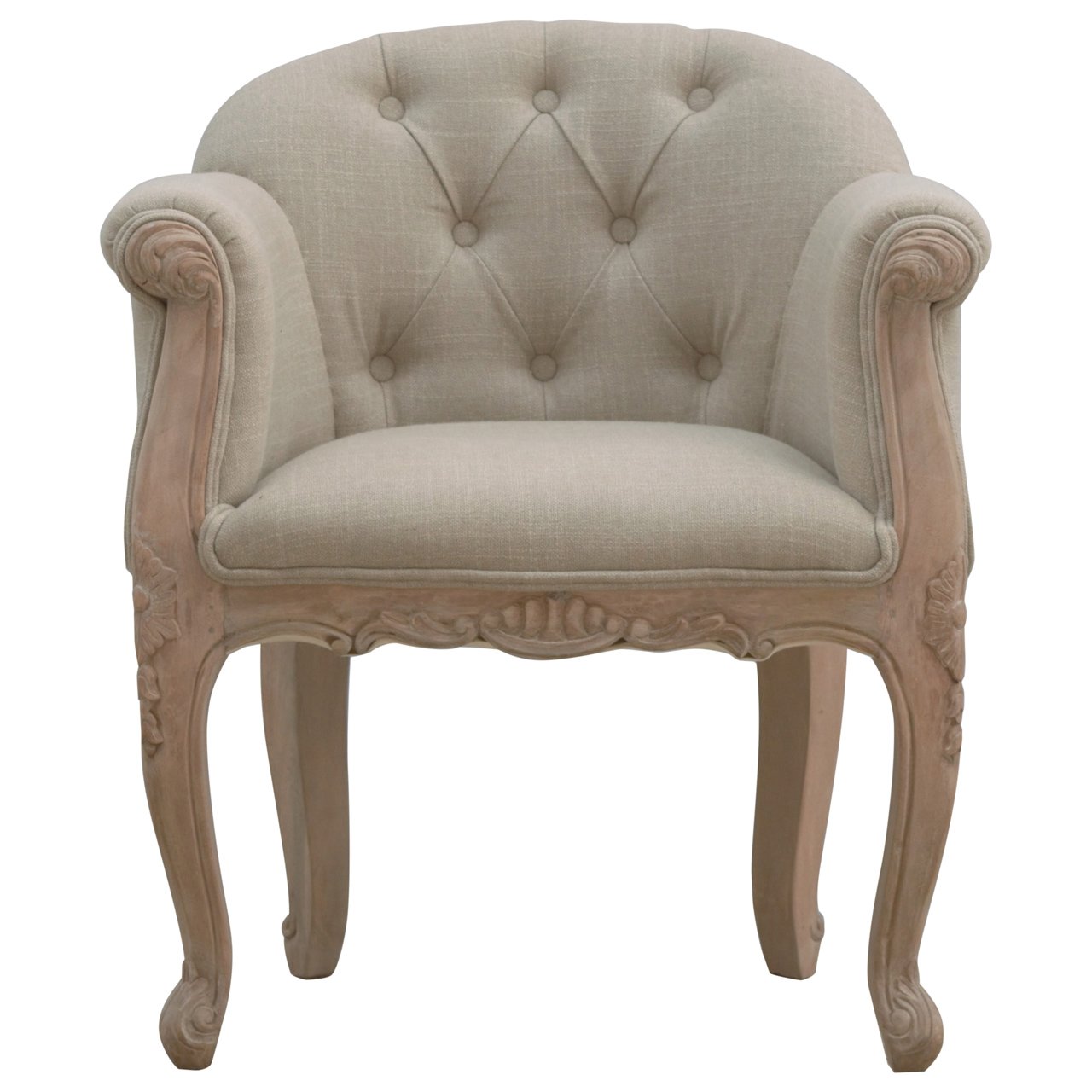
French Style Deep Button Chair
- Width
- 26.8″
- Depth
- 21.3″
- Height
- 31.1″
To view our trade prices online
Trial our custom options to resize & change finish or upholstery
Trade Consultation
Planning a Hospitality or Commercial Project?
If your project needs solid wood specification support, custom dimensions, or finish samples, request a consultation with our trade team.