
Key Takeaway
ergonomic desk height guidelines provide essential tips for maintaining comfort and efficiency.
Ergonomic Desk Height Guidelines
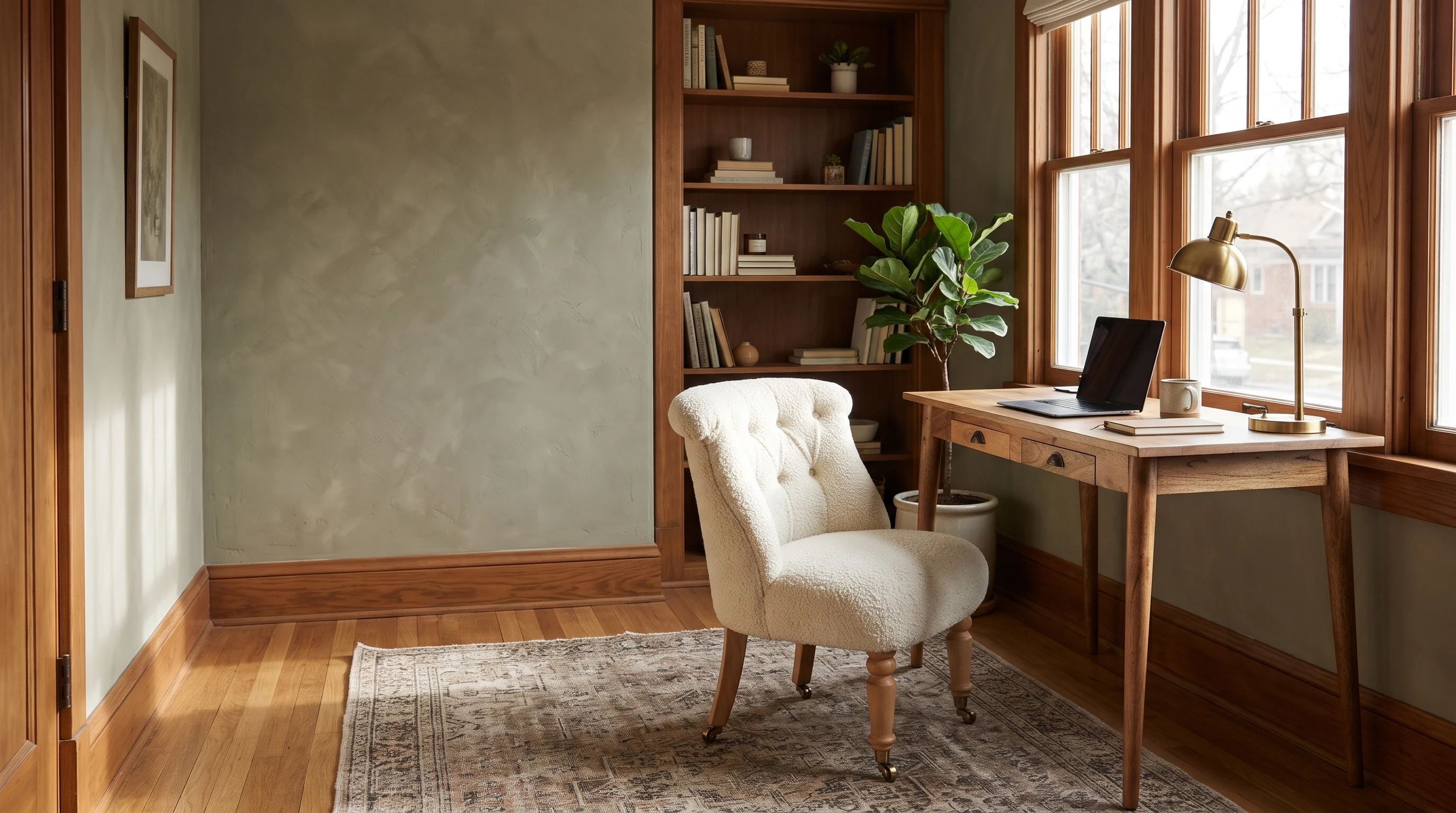
Establishing ergonomic desk height guidelines is essential for promoting comfort and productivity in the workplace. An optimal desk height can significantly reduce strain on the body, enhance posture, and improve overall work efficiency. The right desk height varies based on individual needs, but adhering to established standards can provide a solid foundation for workspace design.
Understanding Desk Height Standards
Desk height standards are typically defined by organizations such as OSHA (Occupational Safety and Health Administration) and ANSI (American National Standards Institute). For seated desks, the standard height ranges from 28 to 30 inches from the floor to the top of the work surface. This range accommodates most users comfortably while allowing their feet to rest flat on the ground with knees at approximately a 90-degree angle. When transitioning to standing desks, heights should adjust between 38 to 42 inches depending on user stature (Source: BIFMA).
Adjustable workstations have become increasingly popular due to their ability to cater to diverse user preferences. These systems allow individuals to modify desk heights easily throughout the day, promoting movement and reducing prolonged periods of sitting or standing. Research indicates that alternating between sitting and standing can lead to increased energy levels and reduced discomfort (Source: Human Factors and Ergonomics Society).
Benefits of Proper Desk Height Adjustment
The benefits of maintaining proper desk height extend beyond mere comfort; they encompass significant health advantages as well. Incorrect desk heights can lead not only to physical discomfort but also long-term musculoskeletal issues such as carpal tunnel syndrome or chronic back pain. Studies suggest that ergonomic interventions like adjusting desk heights can decrease reported discomfort by up to 50% among office workers.
Moreover, an appropriately adjusted workstation fosters better focus and productivity levels among employees. A study conducted by Cornell University found that workers who utilized ergonomically designed furniture reported higher job satisfaction rates alongside improved performance metrics. Thus, investing in adjustable desks is not merely a matter of aesthetics; it directly correlates with employee well-being.
Key Considerations for Adjusting Desk Heights
When adjusting your desk height, several factors must be considered for optimal results:
- User Height: Individual differences in stature necessitate personalized adjustments.
- Chair Height: Ensure that chair adjustments complement desk settings; elbows should remain at a comfortable angle when typing.
- Monitor Placement: Monitors should be positioned so that eyes align with the top third of the screen when seated or standing.
- Keyboard Position: The keyboard should sit at elbow level with wrists straight during use.
To achieve these configurations effectively requires careful measurement and testing over time as personal preferences may evolve.
Common Mistakes in Desk Setup
Many individuals overlook critical aspects when setting up their desks which leads them away from achieving true ergonomic conditions:
- Ignoring Chair Adjustments: Failing to adjust chair height relative to desk settings often leads users into awkward postures.
- Static Workstation Use: Remaining static in one position too long negates many benefits derived from adjustable furniture.
- Improper Monitor Alignment: Not aligning monitors correctly can cause neck strain over extended periods.
Awareness of these common pitfalls allows you to refine your workspace setup continuously.
Relevant Trade Services
Frequently Asked Questions
Related Guides in Ergonomic Solutions
Relevant Trade Products

Grey Line Carved Writing Desk
- Width
- 33.5″
- Depth
- 15.8″
- Height
- 31.5″
To view our trade prices online
Trial our custom options to resize & change finish or upholstery

Oak-ish Open Shelf Writing Desk
- Width
- 31.5″
- Depth
- 15.8″
- Height
- 30.7″
To view our trade prices online
Trial our custom options to resize & change finish or upholstery
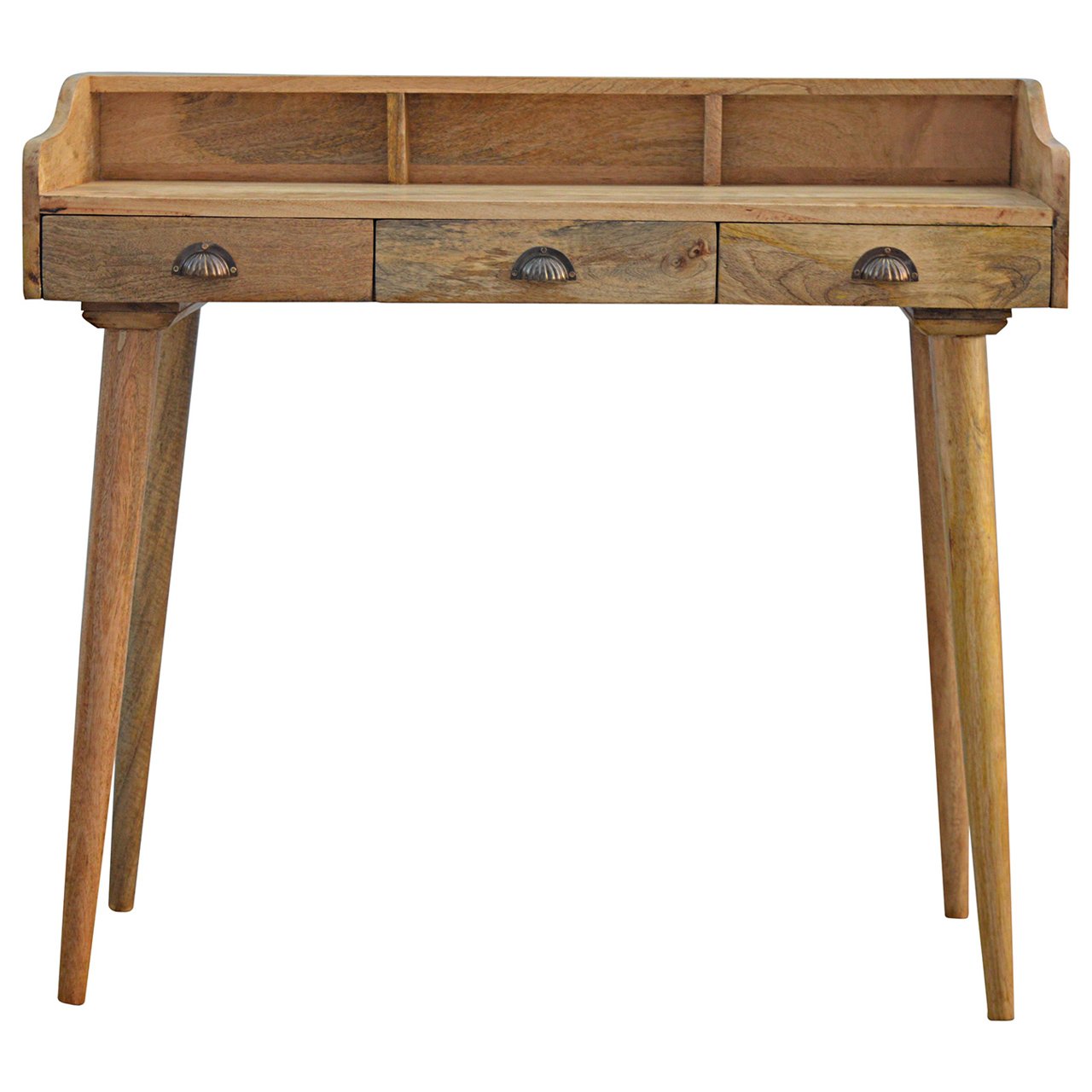
Gallery Back Shell Writing Desk
- Width
- 39.4″
- Depth
- 17.7″
- Height
- 35.4″
To view our trade prices online
Trial our custom options to resize & change finish or upholstery

Geo Brass Flip Down Writing Desk
- Width
- 29.5″
- Depth
- 7.9″
- Height
- 18.9″
To view our trade prices online
Trial our custom options to resize & change finish or upholstery
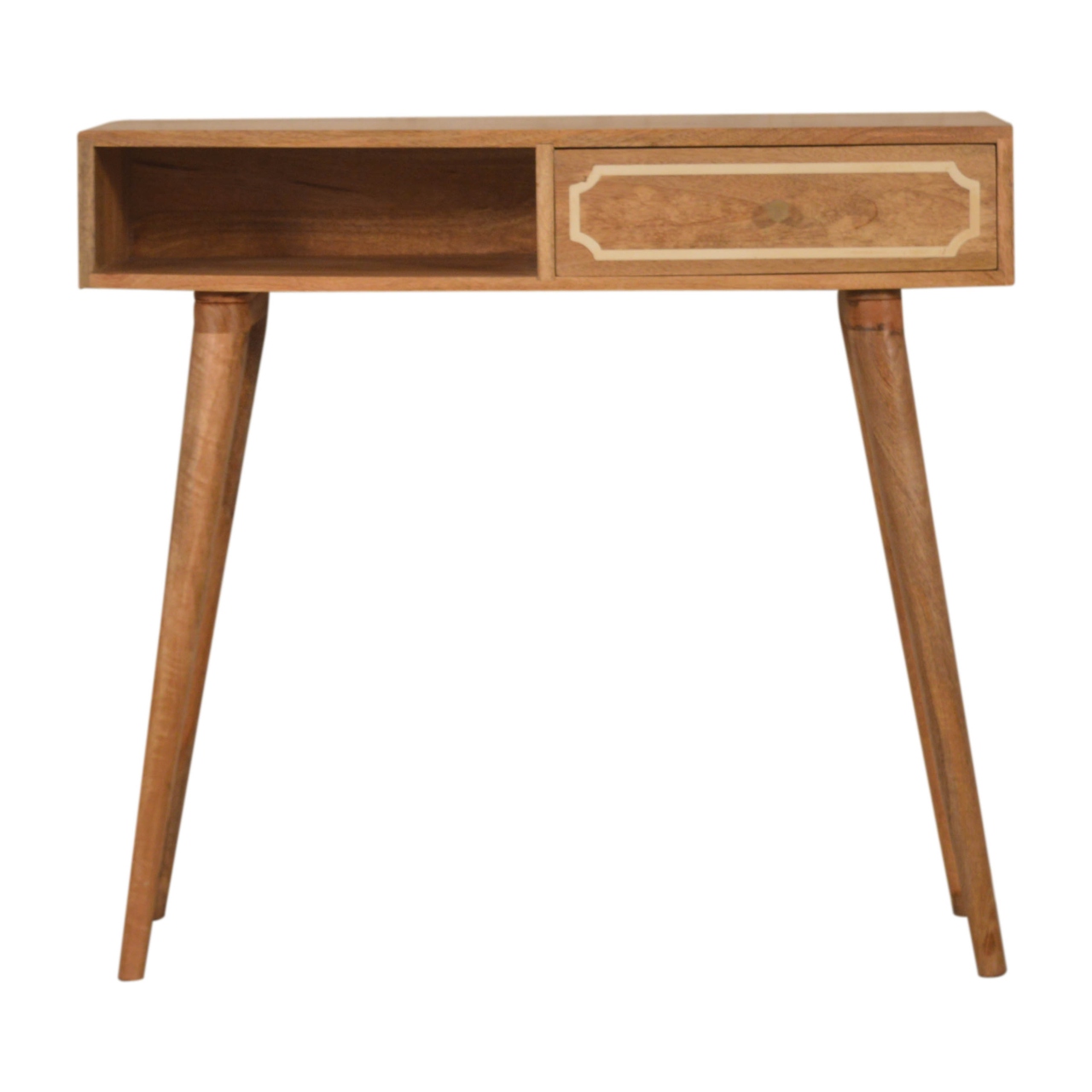
Nepal Writing Desk
- Width
- 34.7″
- Depth
- 13.8″
- Height
- 31.5″
To view our trade prices online
Trial our custom options to resize & change finish or upholstery

Chestnut Rounded Writing Desk
- Width
- 35.4″
- Depth
- 17.7″
- Height
- 31.5″
To view our trade prices online
Trial our custom options to resize & change finish or upholstery
Trade Consultation
Planning a Hospitality or Commercial Project?
If your project needs solid wood specification support, custom dimensions, or finish samples, request a consultation with our trade team.