
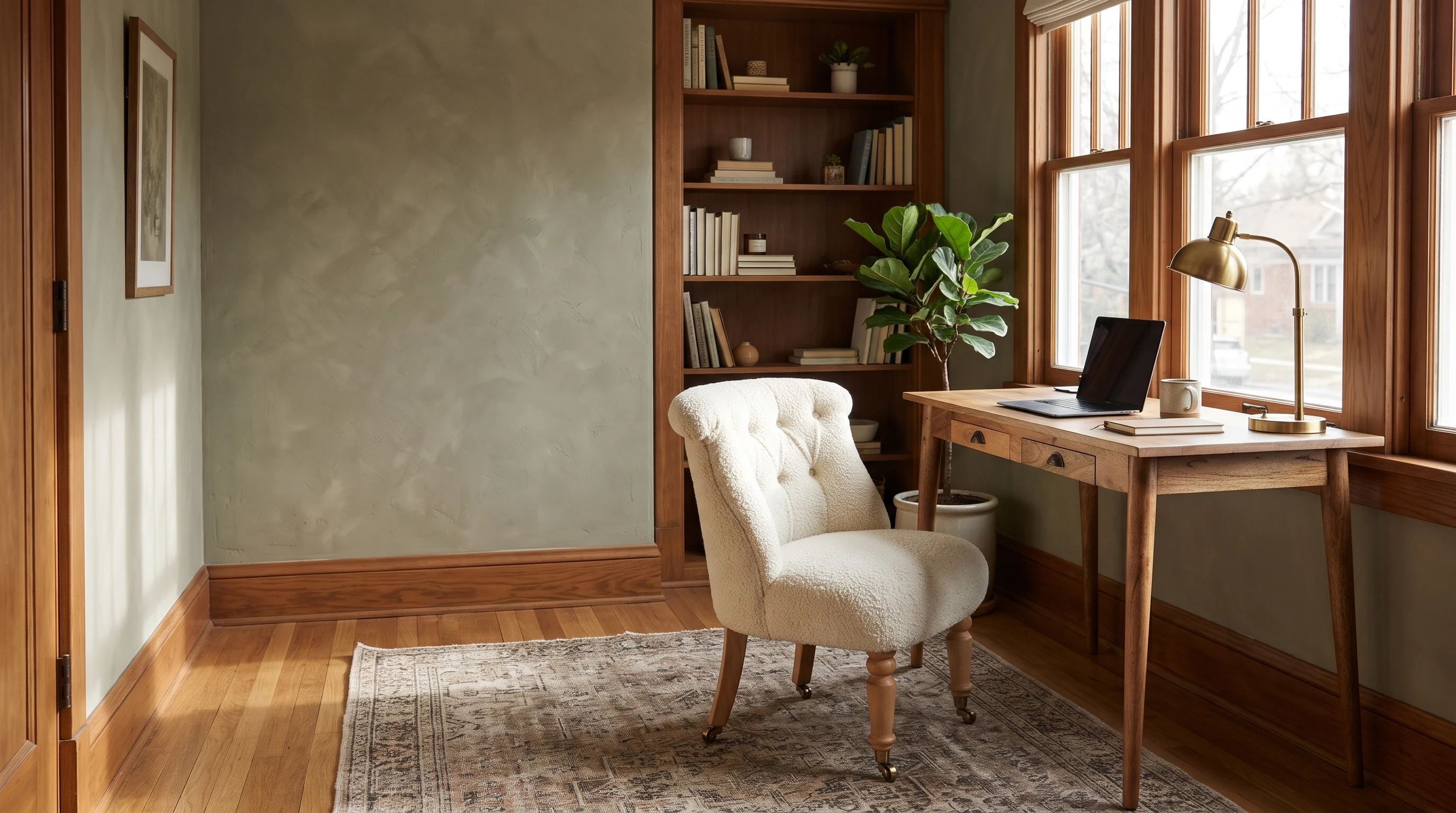
Key Takeaway
best ergonomic chair features enhance productivity through adjustable settings and support.
Best Ergonomic Chair Features
Selecting the best ergonomic chair features is essential for enhancing workplace comfort and productivity. An ergonomic chair is designed to support the body’s natural posture, reduce strain, and promote well-being during long hours of sitting. Understanding the key elements that contribute to an ergonomic design can help you make informed decisions when investing in office seating solutions.
Adjustable Height Options
One of the most critical features of an ergonomic chair is its adjustable height. This allows users to set their seat at a level that aligns with their desk height, ensuring that feet rest flat on the floor while thighs remain parallel to the ground. Research indicates that proper seat height can significantly reduce pressure on the lower back and improve circulation (Source: ACGIH).
Additionally, many chairs offer pneumatic adjustment mechanisms, allowing for quick changes in height without manual effort. This adaptability caters to various user heights and preferences, making it easier for multiple individuals to share a workspace without compromising comfort or ergonomics.
Lumbar Support Systems
Lumbar support is another vital feature found in high-quality ergonomic chairs. Proper lumbar support helps maintain the natural curve of your spine, reducing discomfort associated with prolonged sitting. Chairs equipped with adjustable lumbar supports allow users to customize their backrest position according to individual spinal curvature.
Studies show that adequate lumbar support can decrease lower back pain by up to 50% among office workers (Source: OSHA). When evaluating chairs, consider options with built-in lumbar adjustments or additional cushions designed specifically for this purpose.
Breathable Materials Selection
The materials used in constructing an ergonomic chair play a significant role in overall comfort and usability. Breathable fabrics enhance airflow around the body, helping regulate temperature during extended periods of use. Mesh fabric has gained popularity due to its lightweight properties and ability to wick moisture away from skin surfaces.
Moreover, high-density foam cushioning provides necessary support without sacrificing comfort over time. It’s essential to assess material durability alongside breathability; quality materials will withstand daily wear while maintaining structural integrity.
Armrest Configurations
Armrests are often overlooked but are crucial for providing additional upper body support. Adjustable armrests enable users to position them according to personal preference—either higher or lower—to alleviate shoulder tension and encourage relaxed arm positioning while typing or using a mouse.
Research suggests that properly adjusted armrests can prevent muscle fatigue by supporting arms at a comfortable angle (Source: BIFMA). When selecting an ergonomic chair, ensure that armrests are not only adjustable but also padded for enhanced comfort during prolonged usage.
Backrest Adjustments
A flexible backrest is essential in promoting healthy posture throughout your workday. Many ergonomic chairs feature reclining capabilities which allow users to shift positions periodically—a practice known as dynamic sitting—which can help mitigate discomfort associated with static postures.
Furthermore, some models provide adjustable backrest angles so users can find their optimal recline based on personal preference or task requirements. Studies indicate that varying your seated position throughout the day may lead to improved focus and reduced physical fatigue (Source: ANSI).
Weight Capacity Considerations
When choosing an ergonomic chair, it's important also to consider weight capacity specifications provided by manufacturers. Most standard office chairs accommodate weights ranging from 250 pounds up to 400 pounds depending on design intricacies such as frame strength and material composition.
Understanding these limits ensures safety while maximizing longevity; exceeding recommended weight thresholds may compromise both functionality and structural integrity over time—leading potentially costly replacements sooner than anticipated.
In summary, identifying key features such as adjustable height options, effective lumbar support systems, breathable materials selection, versatile armrest configurations, adaptable backrest adjustments along with appropriate weight capacities will guide you toward selecting optimal seating solutions tailored specifically for your needs within any professional environment.
FAQs About Ergonomic Chairs
What are the key features of ergonomic chairs?
Key features include adjustable height settings, lumbar support systems tailored for individual needs, breathable materials promoting airflow around seated areas as well as customizable armrests facilitating relaxation during extended use periods—all contributing towards enhanced user experience overall!
How do ergonomic chairs improve posture?
Ergonomic designs aim at aligning bodily structures correctly whilst seated thereby minimizing strain placed upon muscles/joints leading ultimately towards healthier postural habits developed through consistent usage patterns observed across diverse workplaces today!
Are adjustable chairs worth it?
Investing into adjustability pays dividends long-term; studies reveal significant reductions (upwards 50%) reported concerning chronic discomfort levels experienced amongst employees utilizing appropriately configured seating arrangements regularly implemented within organizational frameworks!
What materials are best for ergonomic chairs?
Optimal choices encompass durable yet breathable fabrics (like mesh) coupled alongside supportive foams ensuring maximum longevity paired together effectively catering towards diverse environmental conditions encountered throughout typical working hours!
Relevant Trade Services
Related Guides in Ergonomic Solutions
Relevant Trade Products

White Boucle Minimalistic Chair
- Width
- 24.4″
- Depth
- 23.6″
- Height
- 33.5″
To view our trade prices online
Trial our custom options to resize & change finish or upholstery

Cream Boucle Swivel Chair
- Width
- 25.6″
- Depth
- 21.7″
- Height
- 29.5″
To view our trade prices online
Trial our custom options to resize & change finish or upholstery
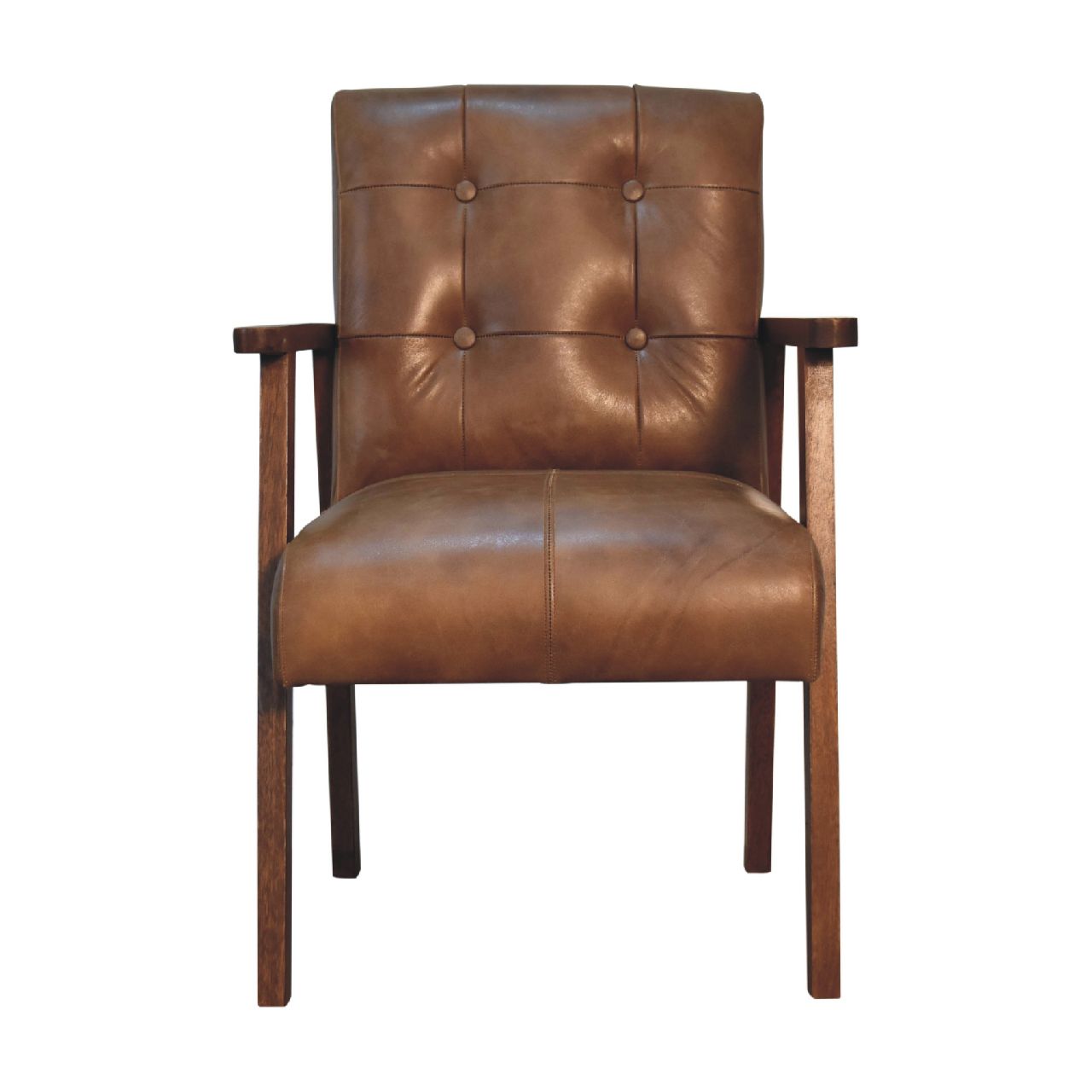
Brown Buffalo Leather Chair
- Width
- 24.4″
- Depth
- 26″
- Height
- 33.9″
To view our trade prices online
Trial our custom options to resize & change finish or upholstery

Cream Boucle Rattan Chair
- Width
- 17.3″
- Depth
- 17.3″
- Height
- 34.3″
To view our trade prices online
Trial our custom options to resize & change finish or upholstery
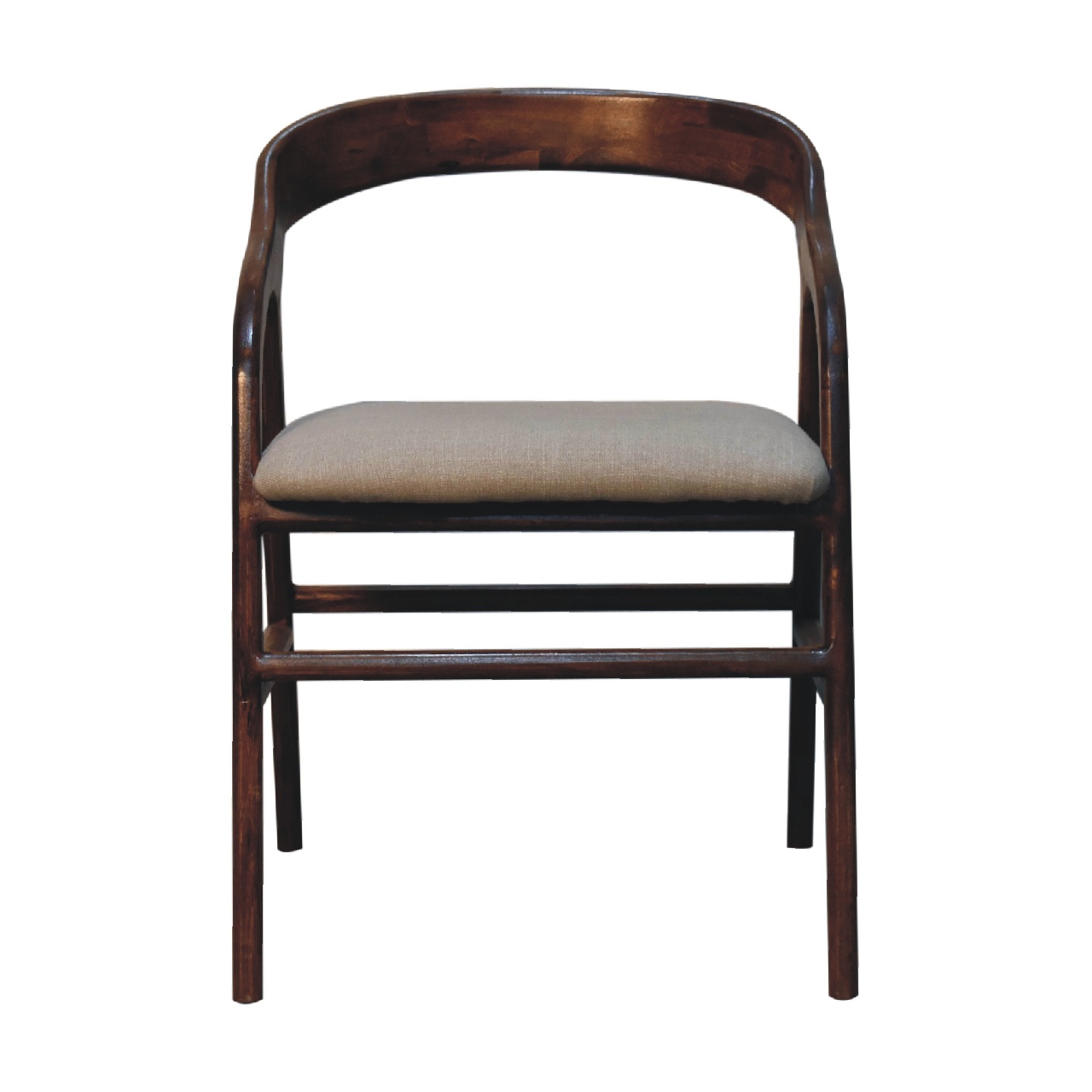
Chestnut Linen Deco Chair
- Width
- 19.7″
- Depth
- 23.6″
- Height
- 31.5″
To view our trade prices online
Trial our custom options to resize & change finish or upholstery

Writing Chair with Turned Legs
- Width
- 17.7″
- Depth
- 17.7″
- Height
- 37.4″
To view our trade prices online
Trial our custom options to resize & change finish or upholstery
Trade Consultation
Planning a Hospitality or Commercial Project?
If your project needs solid wood specification support, custom dimensions, or finish samples, request a consultation with our trade team.