
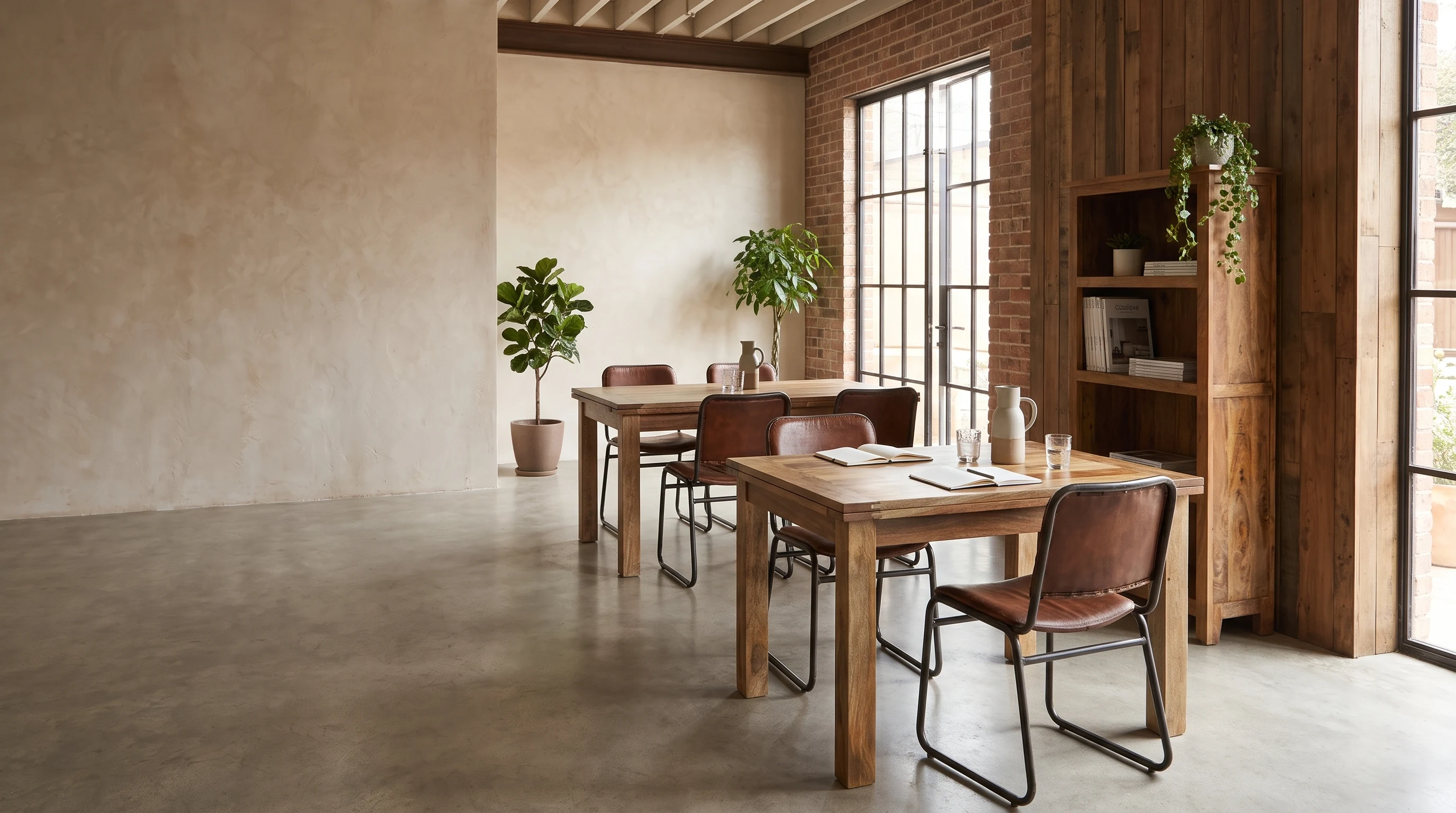
Key Takeaway
evaluating durability in modular components helps businesses choose reliable furniture solutions.
Evaluating Durability in Modular Components
Evaluating durability in modular components is essential for ensuring the longevity and reliability of furniture systems. The performance of these components directly impacts user satisfaction, safety, and overall project success. Understanding the factors that influence durability can guide procurement decisions and design choices, ultimately leading to better outcomes in commercial environments.
Factors Influencing Component Durability
Several key factors affect the durability of modular components. Material selection plays a pivotal role; high-quality materials such as solid wood or metal alloys tend to offer superior strength compared to lower-grade alternatives. For instance, studies have shown that solid wood furniture can last over 25 years with proper care. Additionally, the manufacturing process significantly influences component integrity; adherence to standards like ASTM International ensures that products meet rigorous quality benchmarks.
Another critical aspect is environmental resistance. Modular components exposed to varying humidity levels or temperature fluctuations may degrade faster if not designed with appropriate protective features. For example, finishes that resist moisture can prolong the lifespan of wooden elements by preventing warping and cracking.
Testing Methods for Durability Assessment
To accurately assess durability in modular furniture, various testing methods are employed. One common approach involves mechanical testing, which evaluates how materials respond under stress conditions such as weight loads or impact forces. This type of assessment helps identify potential failure points within a component's structure before it reaches end-users.
Additionally, accelerated aging tests simulate long-term wear and tear by exposing materials to extreme conditions over short periods. These tests provide valuable insights into how well components will hold up under real-world usage scenarios. According to BIFMA standards, furniture must undergo specific tests that measure structural integrity and stability, ensuring compliance with industry expectations.
Importance of Durability in Modular Systems
Durability is paramount when considering modular systems for commercial projects due to their frequent use and exposure to various stresses. High-performance modules reduce maintenance costs associated with repairs or replacements while enhancing user experience through reliable functionality.
Furthermore, durable designs contribute positively to sustainability efforts by minimizing waste generated from discarded furniture pieces. By investing in robust modular solutions upfront, businesses can achieve significant cost savings over time while promoting environmentally responsible practices.
Recommendations for Ensuring Component Reliability
To ensure maximum reliability of modular components during procurement:
- Prioritize Quality Materials: Select suppliers who utilize high-grade materials known for their strength and resilience.
- Verify Compliance with Standards: Ensure all products meet relevant testing standards set forth by organizations like ANSI or BIFMA.
- Conduct Regular Assessments: Implement ongoing evaluations throughout the lifecycle of your furniture systems to monitor performance metrics effectively.
- Engage Experienced Manufacturers: Partnering with manufacturers who specialize in bespoke solutions often yields higher-quality results tailored specifically for your needs.
By following these recommendations, you can enhance the overall performance and lifespan of your modular systems while reducing risks associated with subpar products.
Relevant Trade Services
Frequently Asked Questions
Related Guides in Modular Systems
Relevant Trade Products

Country Style Mini Bookcase
- Width
- 19.7″
- Depth
- 13.8″
- Height
- 35.4″
To view our trade prices online
Trial our custom options to resize & change finish or upholstery

9 Drawer Mini Cabinet
- Width
- 24.4″
- Depth
- 12.6″
- Height
- 29.5″
To view our trade prices online
Trial our custom options to resize & change finish or upholstery
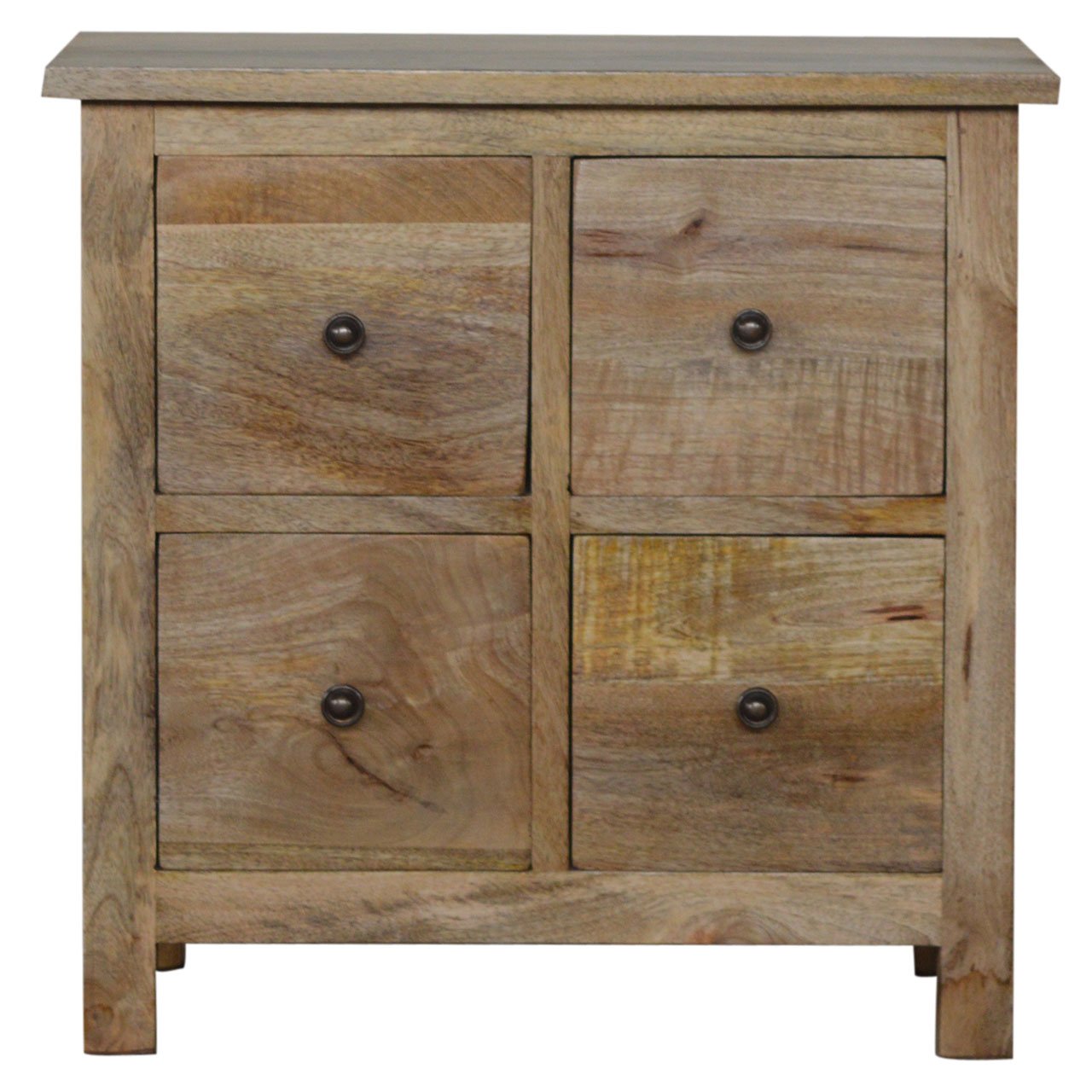
4 Drawer Mini Cabinet
- Width
- 21.7″
- Depth
- 11.8″
- Height
- 21.7″
To view our trade prices online
Trial our custom options to resize & change finish or upholstery
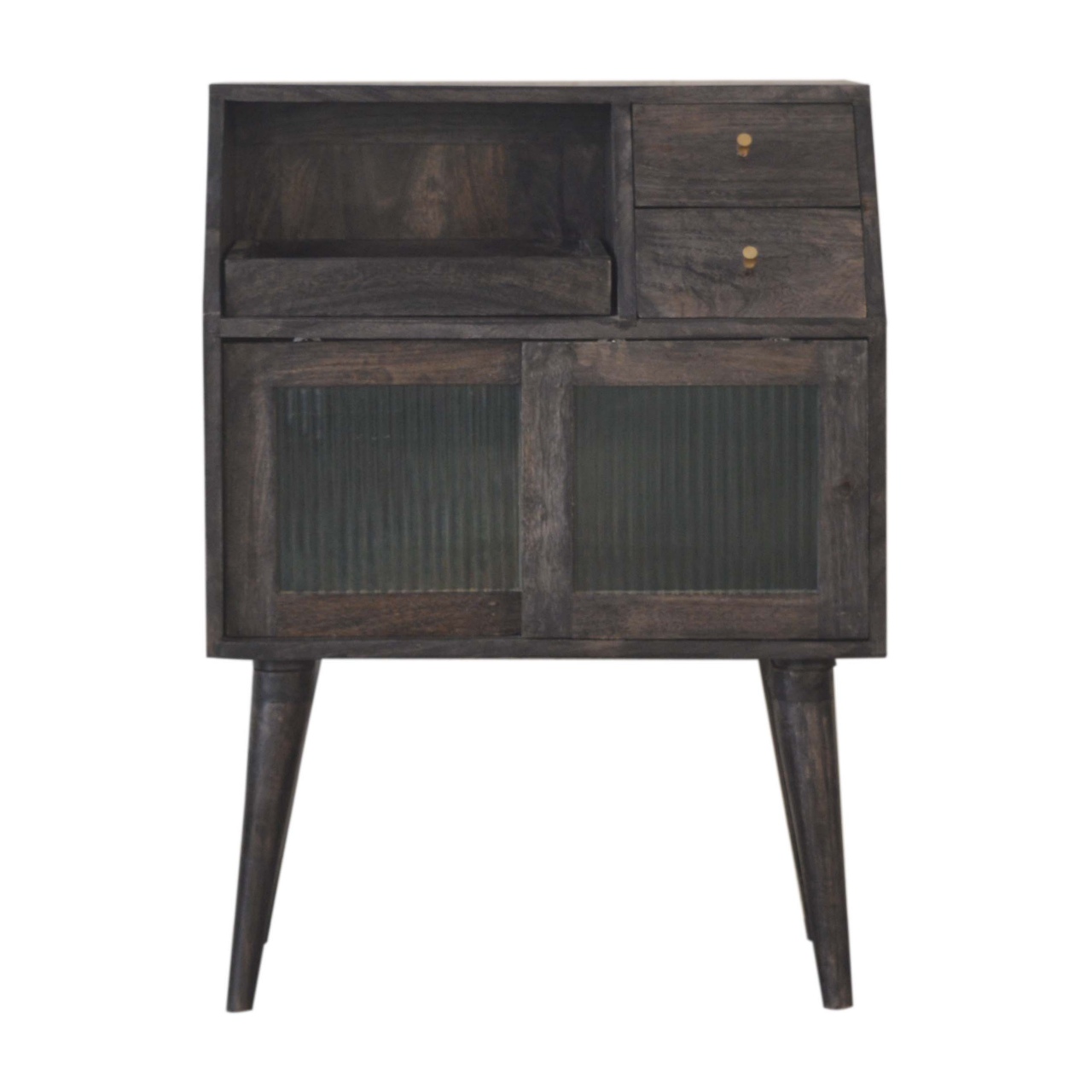
Havana Mini Cabinet
- Width
- 23.6″
- Depth
- 13.8″
- Height
- 31.5″
To view our trade prices online
Trial our custom options to resize & change finish or upholstery

Mini Oak-ish Cabinet
- Width
- 23.6″
- Depth
- 11.8″
- Height
- 25.6″
To view our trade prices online
Trial our custom options to resize & change finish or upholstery

Mini Chestnut Cabinet
- Width
- 23.6″
- Depth
- 11.8″
- Height
- 25.6″
To view our trade prices online
Trial our custom options to resize & change finish or upholstery
Trade Consultation
Planning a Hospitality or Commercial Project?
If your project needs solid wood specification support, custom dimensions, or finish samples, request a consultation with our trade team.