
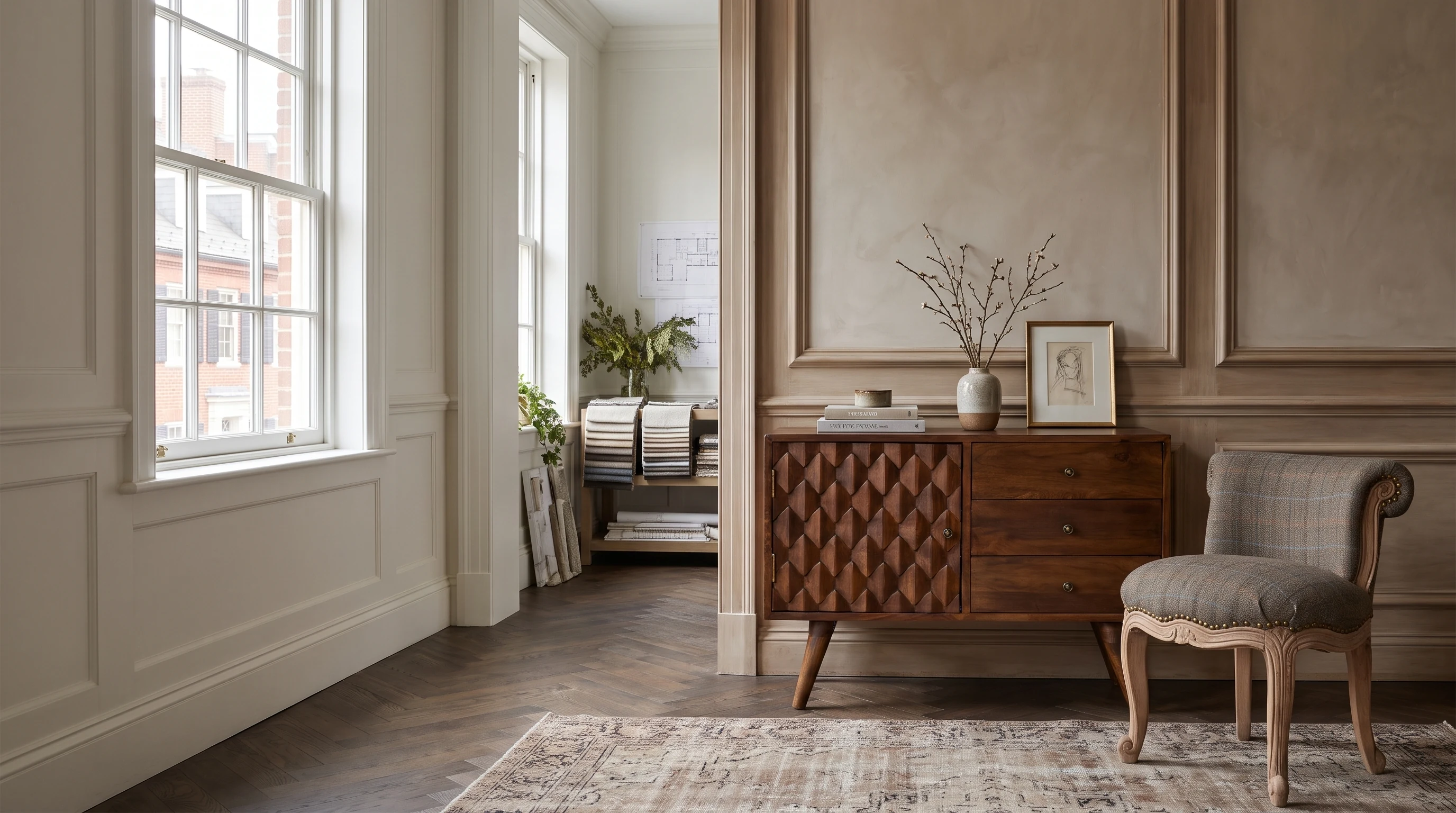
Key Takeaway
creating an effective timeline for interior design projects helps streamline processes and enhance efficiency.
Creating an Effective Timeline for Interior Design Projects
Establishing an effective timeline for interior design projects is crucial to ensuring that all phases of the project are executed smoothly and efficiently. A well-structured timeline not only helps in managing tasks but also facilitates communication among stakeholders, including clients, designers, and contractors. By breaking down the project into manageable phases and setting clear deadlines, you can significantly reduce the risk of delays and budget overruns.
The importance of a detailed timeline cannot be overstated. According to a study by the Project Management Institute, organizations that employ formal project management practices see a 28% increase in success rates compared to those that do not. This statistic underscores the value of having a structured approach when creating timelines for interior design projects.
Project Phases: Structuring Your Timeline
To create an effective timeline, it is essential first to outline the various phases involved in your interior design project. Commonly recognized phases include initial consultation, concept development, design refinement, procurement of materials, installation, and final walkthroughs. Each phase should have specific milestones that need to be achieved before moving on to the next stage.
For instance, during the initial consultation phase, gathering client requirements and preferences is critical. This information will inform subsequent decisions regarding layout and material selection. Establishing deadlines for this phase ensures that both parties remain aligned on expectations from the outset.
In addition to defining each phase clearly, it's important to allocate sufficient time based on complexity and scope. For example, if your project involves custom furniture or bespoke elements—common in high-end residential designs—additional time may be necessary during procurement as these items often require longer lead times.
Task Prioritization: Identifying Key Milestones
Once you have established your project's phases, task prioritization becomes vital for maintaining momentum throughout its lifecycle. Identify key milestones within each phase; these are significant points where progress can be assessed or decisions made about moving forward.
An example might include finalizing floor plans before beginning material sourcing. Delays at this stage could cascade through subsequent tasks if not managed properly. Therefore, establishing realistic deadlines based on available resources is essential.
Utilizing task management tools such as Asana or Trello can further enhance clarity around responsibilities associated with each milestone. These platforms allow team members to track progress visually while providing reminders about upcoming deadlines or overdue tasks.
Scheduling Tools: Enhancing Workflow Efficiency
Effective scheduling tools play a pivotal role in optimizing workflow efficiency across all stages of an interior design project. Various software solutions exist today tailored specifically for managing timelines within creative fields like design; Microsoft Project remains one popular option due to its comprehensive features aimed at professionals.
These tools enable users not only to create Gantt charts but also facilitate resource allocation tracking—the latter being particularly useful when multiple projects run concurrently within firms specializing in FF&E procurement (Furniture Fixtures & Equipment). By monitoring workloads effectively through these applications’ dashboards—designers can ensure no single team member becomes overwhelmed while others may lack sufficient work engagement levels.
Moreover integrating scheduling tools with communication platforms enhances collaboration between stakeholders by allowing real-time updates regarding changes made along any part of their respective timelines—fostering transparency throughout every aspect leading up until completion day arrives!
Factors Affecting Project Timelines
Several factors influence how long an interior design project takes from start-to-finish beyond just individual task durations alone; understanding them allows better forecasting capabilities overall! Client feedback loops represent one significant variable affecting schedules since revisions often arise after presentations occur during conceptual stages—which may alter previously established timing agreements drastically depending upon responsiveness levels exhibited thereafter!
Additionally external influences such as permit approvals required by local authorities must also factor into calculations surrounding total duration estimates since waiting periods vary widely based on jurisdictional regulations governing construction activities undertaken therein too!
Lastly unforeseen circumstances like supply chain disruptions caused by global events (e.g., pandemics) necessitate flexibility built into original planning frameworks so teams remain adaptable without compromising quality standards expected upon delivery dates promised initially agreed upon beforehand!
Relevant Trade Services
Related Guides in Interior Design Solutions
Relevant Trade Products
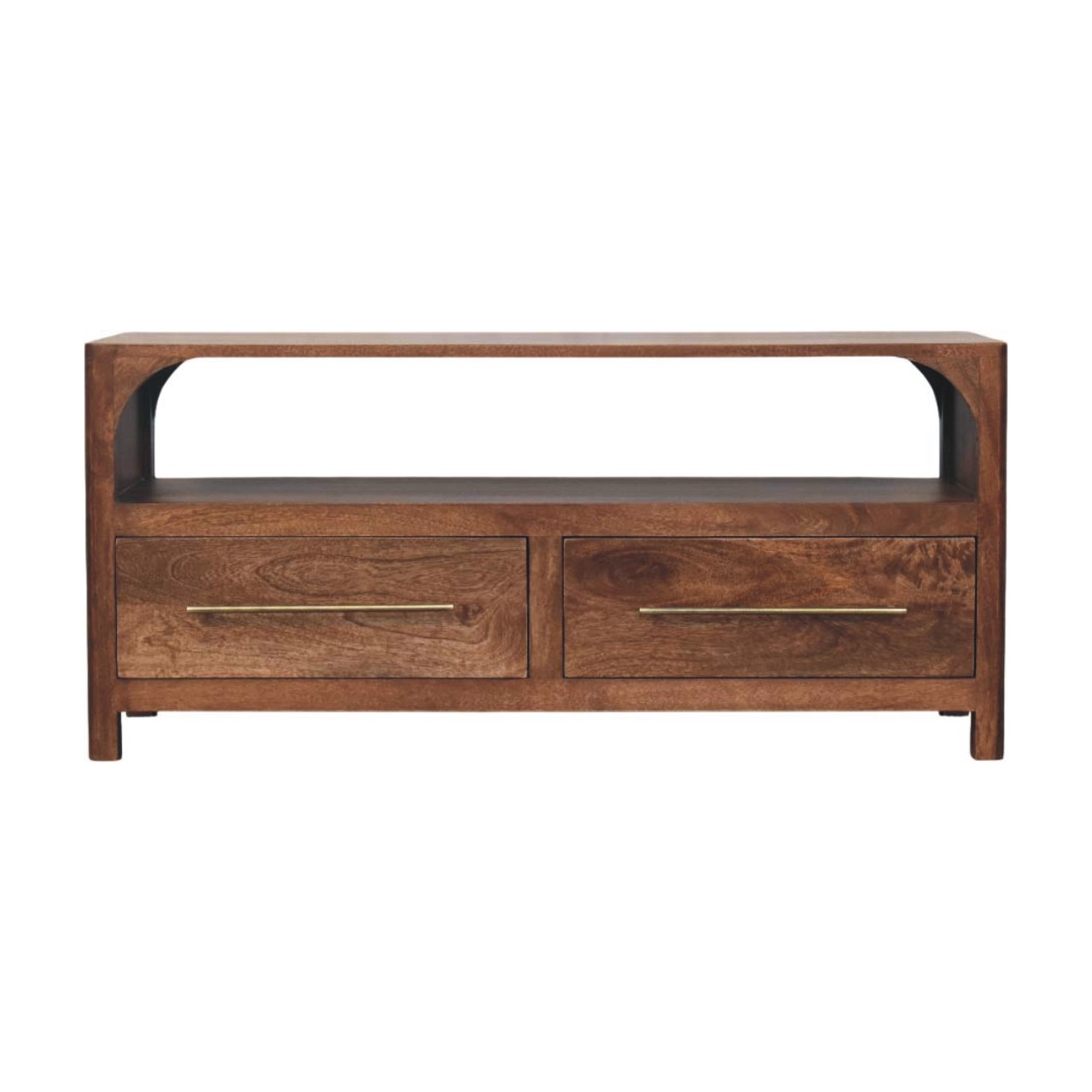
Arc-Line Media Console
- Width
- 43.3″
- Depth
- 13.8″
- Height
- 19.7″
To view our trade prices online
Trial our custom options to resize & change finish or upholstery
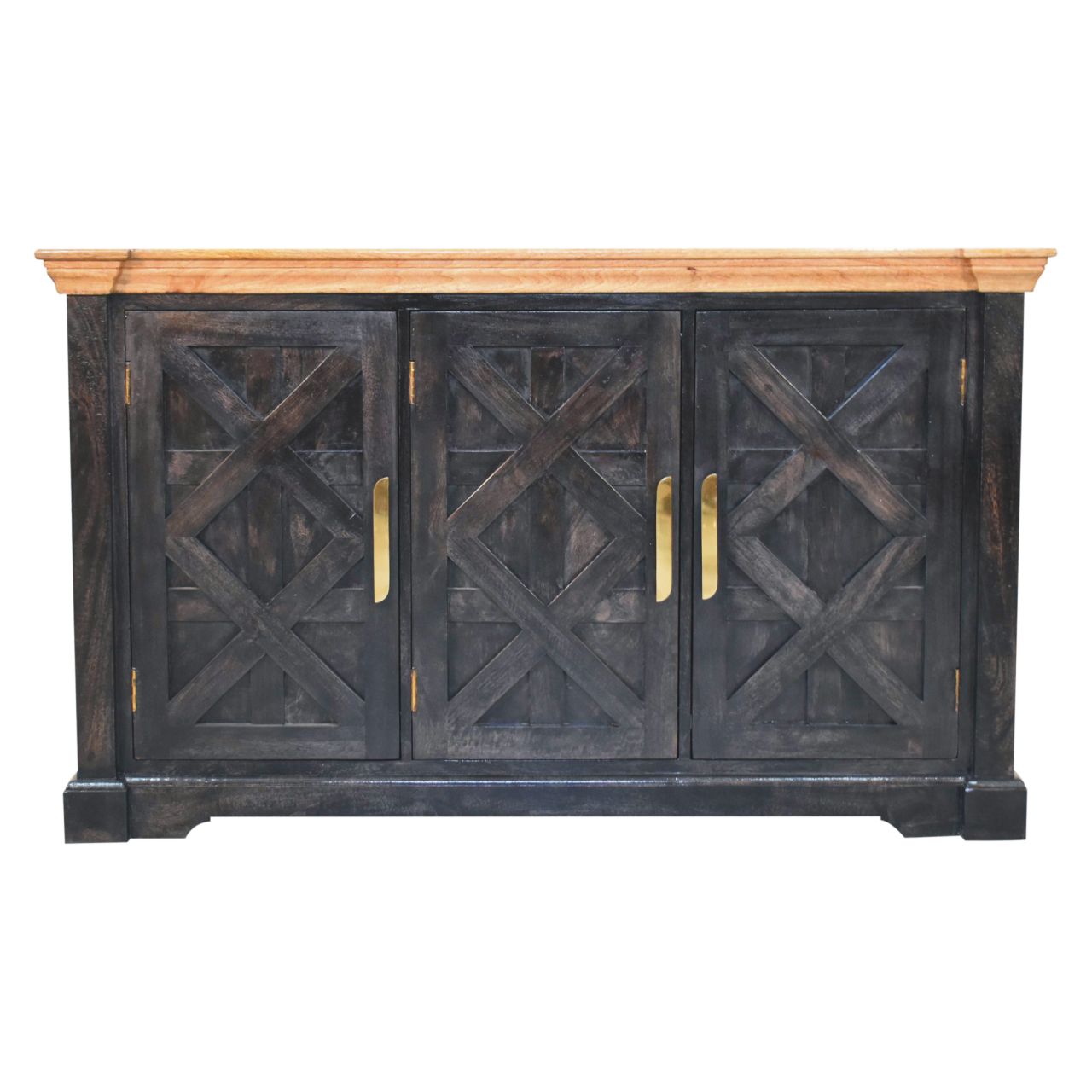
Regal Ash Black Rustic Sideboard
- Width
- 59.1″
- Depth
- 15.8″
- Height
- 35.4″
To view our trade prices online
Trial our custom options to resize & change finish or upholstery
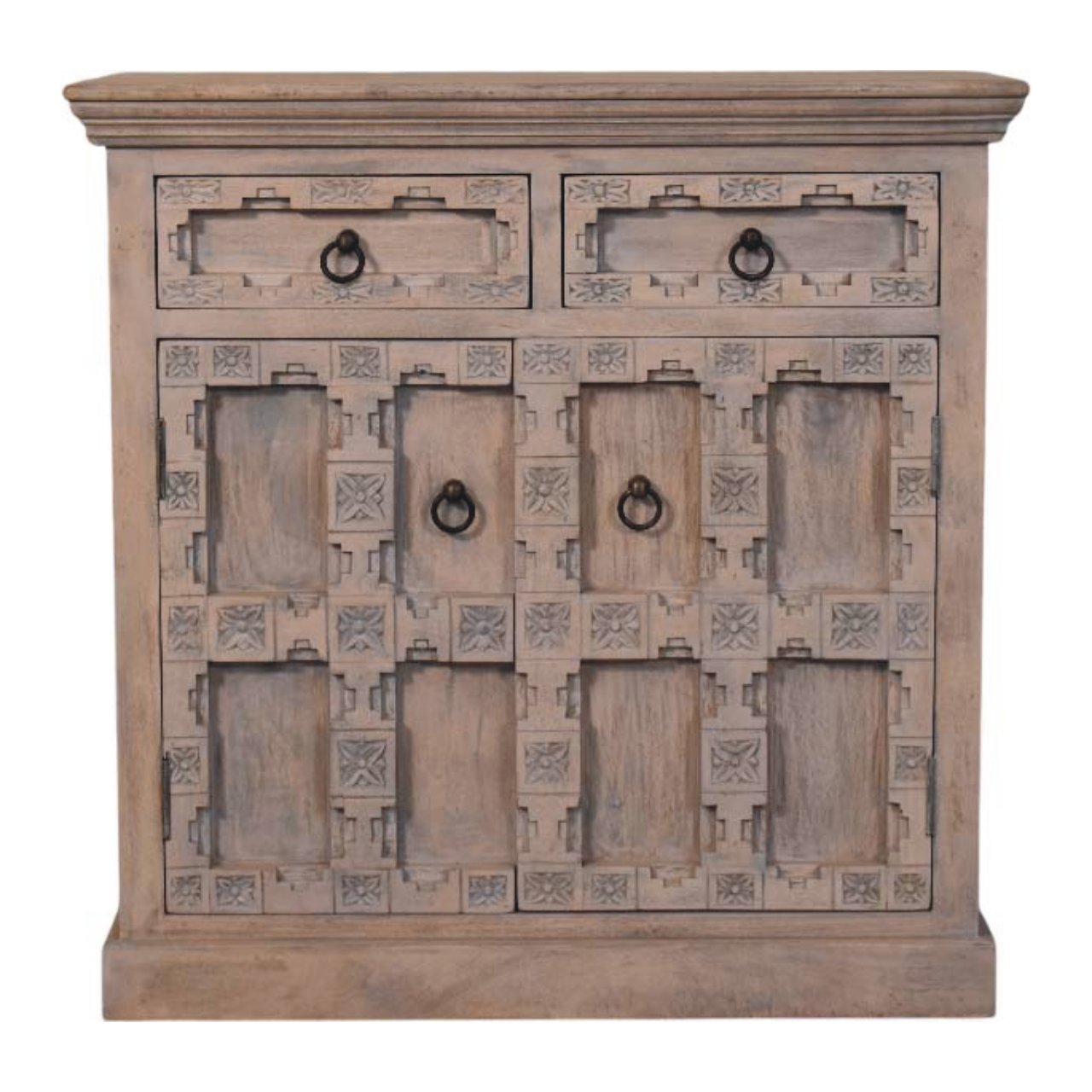
Jaipur Lattice Sideboard
- Width
- 35.4″
- Depth
- 15.8″
- Height
- 35.4″
To view our trade prices online
Trial our custom options to resize & change finish or upholstery
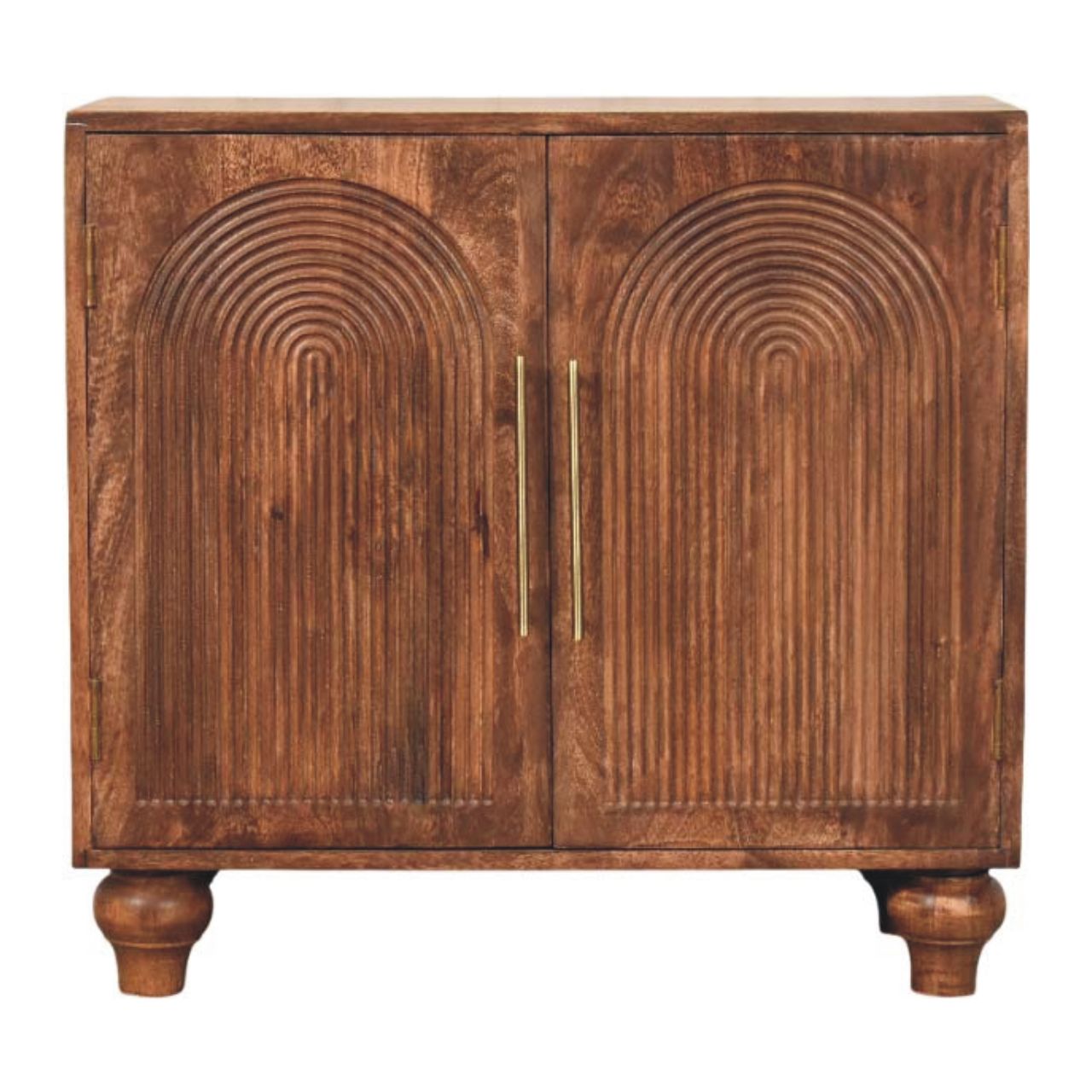
Arco Groove Sideboard
- Width
- 29.5″
- Depth
- 13.8″
- Height
- 28″
To view our trade prices online
Trial our custom options to resize & change finish or upholstery
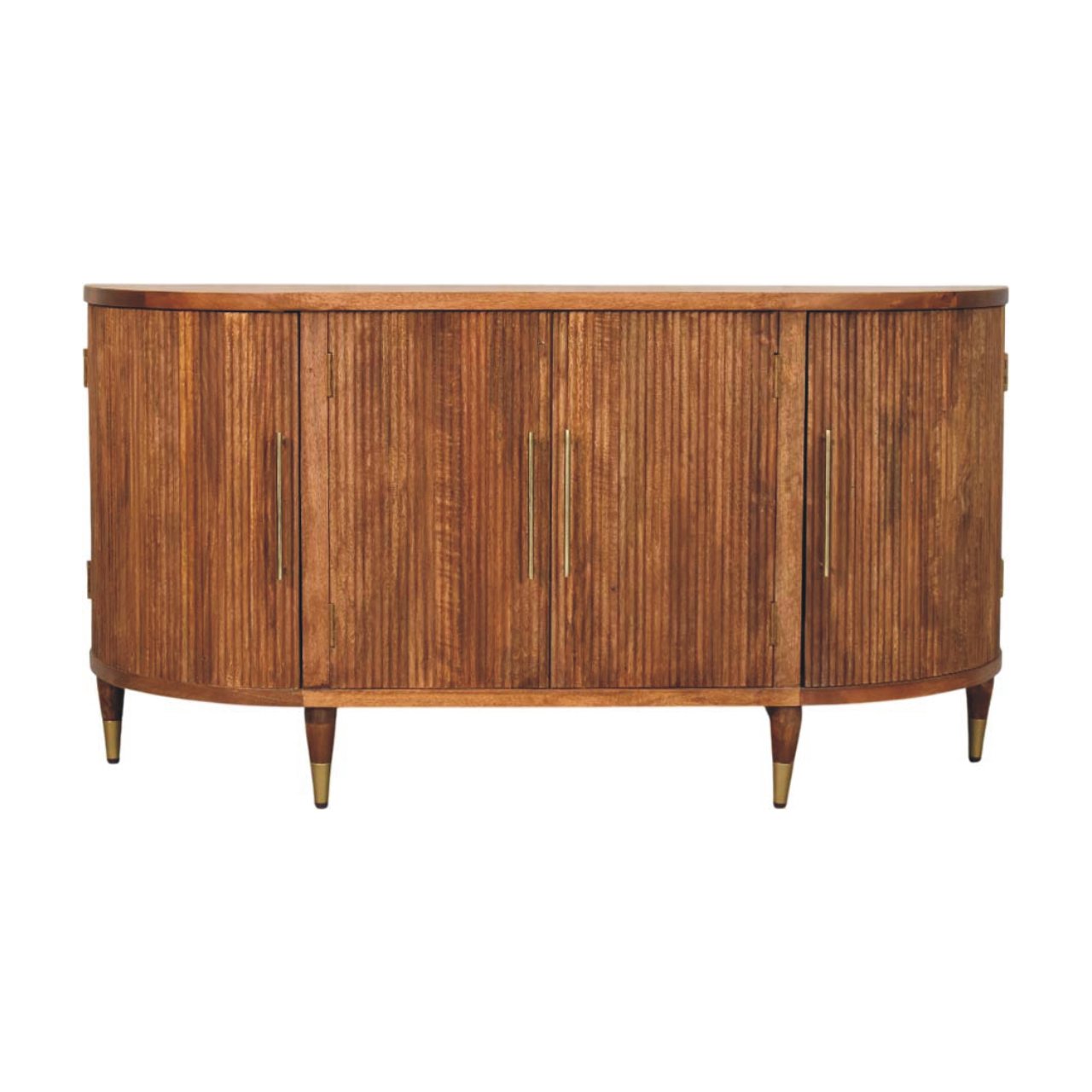
Ravello Curved 4-Door Sideboard
- Width
- 59.1″
- Depth
- 15.8″
- Height
- 30.7″
To view our trade prices online
Trial our custom options to resize & change finish or upholstery
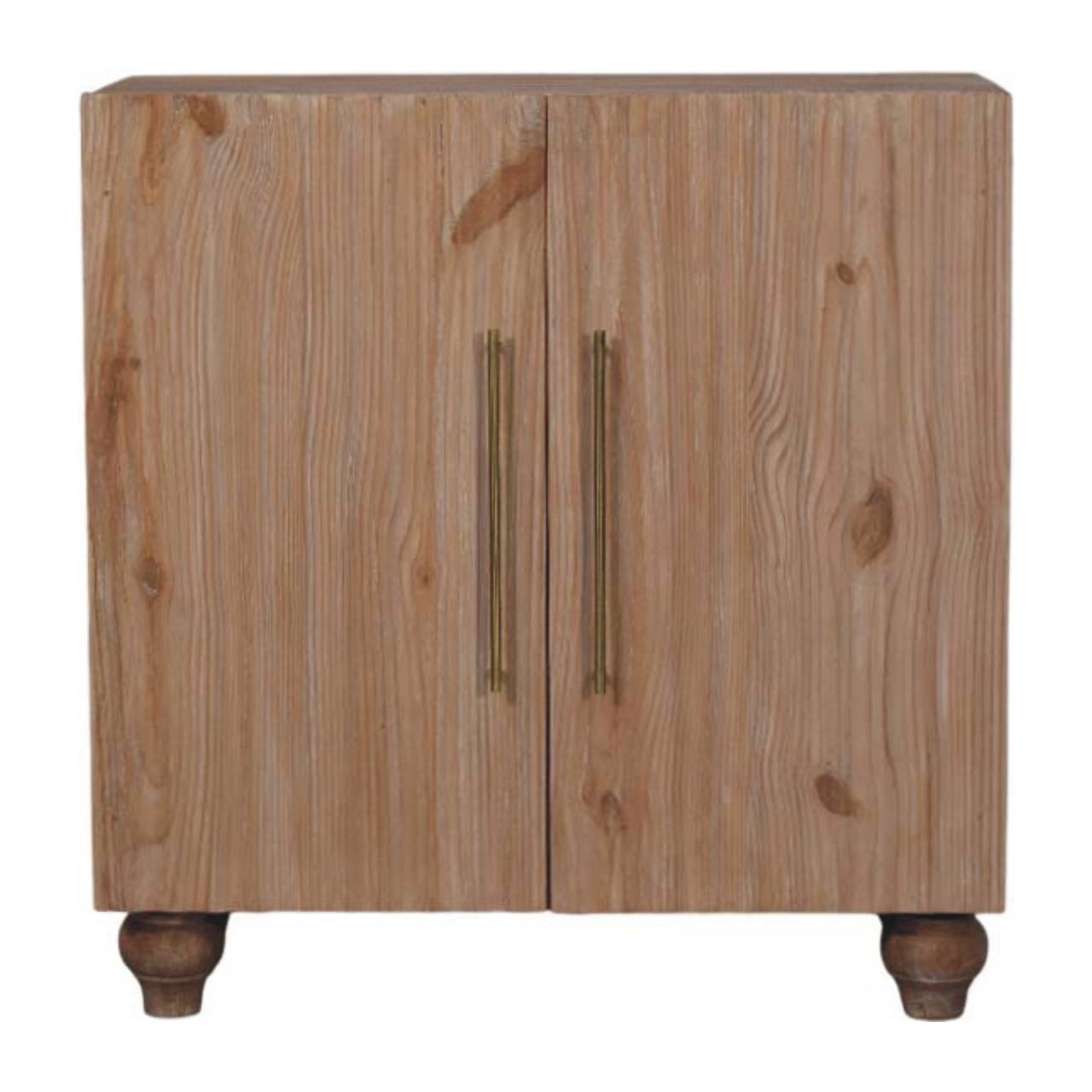
Sandgrain Pine & Mango Sideboard
- Width
- 31.5″
- Depth
- 13.8″
- Height
- 32.7″
To view our trade prices online
Trial our custom options to resize & change finish or upholstery
Trade Consultation
Planning a Hospitality or Commercial Project?
If your project needs solid wood specification support, custom dimensions, or finish samples, request a consultation with our trade team.