
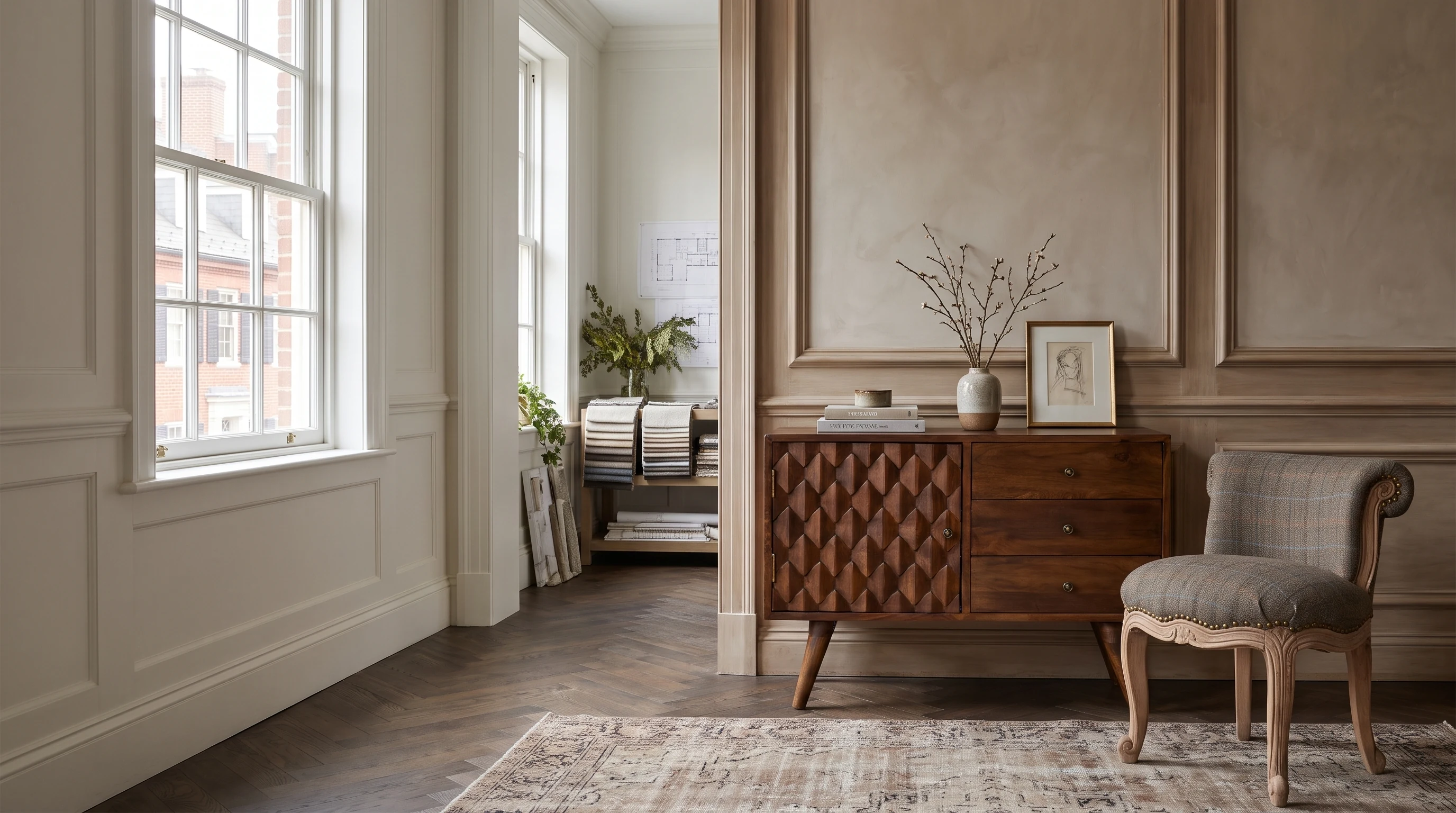
Key Takeaway
essential materials for interior design projects play a vital role in enhancing aesthetics and functionality.
Understanding Essential Materials for Interior Design Projects
Selecting essential materials for interior design projects is a fundamental aspect that significantly influences the overall aesthetic, functionality, and sustainability of any space. The right materials not only enhance visual appeal but also contribute to the durability and usability of interiors. This report delves into critical material types, their selection processes, and the implications of these choices on project outcomes.
Key Material Types in Interior Design
The primary categories of materials used in interior design include textiles, flooring, wall coverings, furnishings, and fixtures. Each category serves distinct purposes while collectively contributing to a cohesive design narrative.
Textiles play a pivotal role in defining comfort and style within spaces. Fabrics such as cotton or linen are often chosen for upholstery due to their breathability and ease of maintenance. According to industry data from the American Society of Interior Designers (ASID), over 70% of designers prioritize fabric quality when selecting textiles for residential projects.
Flooring options range from hardwoods to sustainable alternatives like bamboo or cork. Durable flooring can withstand high traffic areas while providing an inviting atmosphere. A study by the National Wood Flooring Association indicates that wood floors can increase home value by up to 3% compared to homes with carpeted floors.
Wall coverings encompass paint, wallpaper, and paneling—each offering unique textures and colors that set the tone for a room's ambiance. The choice between these options often hinges on factors such as cost-effectiveness and desired longevity.
Selecting Materials: Criteria and Considerations
Choosing materials requires careful consideration of several criteria including aesthetics, function, cost-effectiveness, sustainability, and client preferences. A well-defined selection process ensures alignment with project goals while minimizing risks associated with poor material choices.
Aesthetics dictate how materials will visually integrate into existing designs or new concepts. For instance, selecting complementary color palettes based on color theory enhances harmony within spaces; this approach can be quantified through tools like Pantone’s Color Matching System which aids designers in making informed decisions about color compatibility.
Functionality pertains directly to how well materials perform under specific conditions—considering aspects such as durability against wear-and-tear or resistance to moisture is crucial in environments like kitchens or bathrooms where exposure levels differ significantly.
Cost-effectiveness remains a vital factor; it involves not just initial expenditure but also long-term implications related to maintenance costs or potential replacements due to wear over time.
Sustainability has emerged as an essential criterion influencing material choices today. With growing awareness around environmental impacts associated with manufacturing processes, many designers now opt for eco-friendly options that meet both aesthetic needs and ethical standards.
Impacts on Project Outcomes
The interplay between selected materials affects various dimensions of interior design projects—from budget constraints to client satisfaction levels—ultimately shaping overall success metrics.
Budget considerations must align with project scope; high-quality materials may incur higher upfront costs but yield better long-term returns through durability—this principle applies particularly within commercial settings where wear rates are accelerated compared to residential applications.
Client satisfaction hinges upon meeting expectations regarding both aesthetics and functionality; thus understanding client preferences during the selection process becomes paramount. Surveys indicate that 85% of clients express dissatisfaction when there is misalignment between their vision and final material selections.
Moreover, integrating sustainable practices not only fulfills ethical obligations but also appeals strongly among environmentally conscious consumers—a demographic increasingly influential in purchasing decisions across sectors including hospitality venues where guest experiences are paramount.
Relevant Trade Services
Related Guides in Interior Design Solutions
Relevant Trade Products
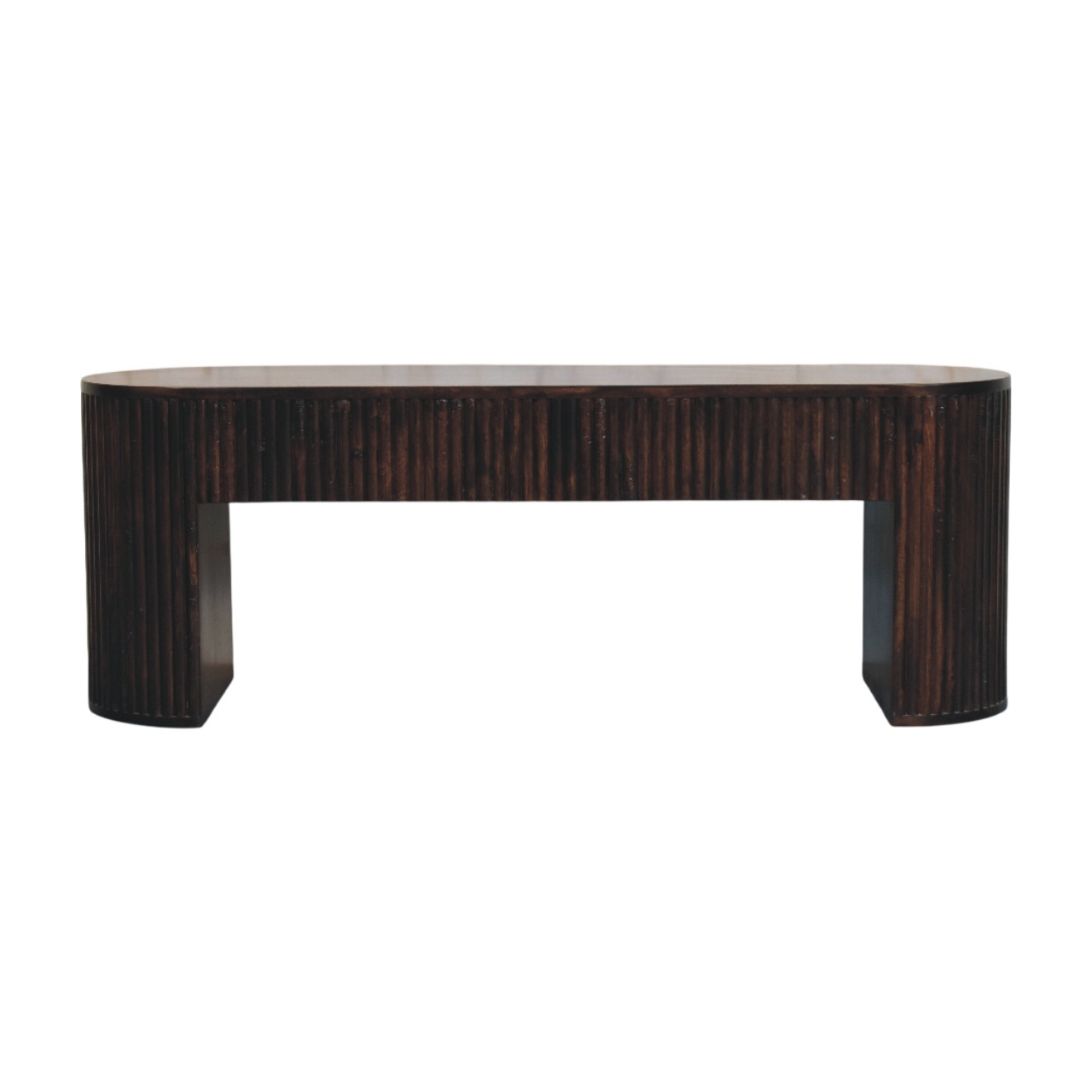
Velvet Mocha Fluted Bench
- Width
- 49.2″
- Depth
- 13.8″
- Height
- 17.7″
To view our trade prices online
Trial our custom options to resize & change finish or upholstery
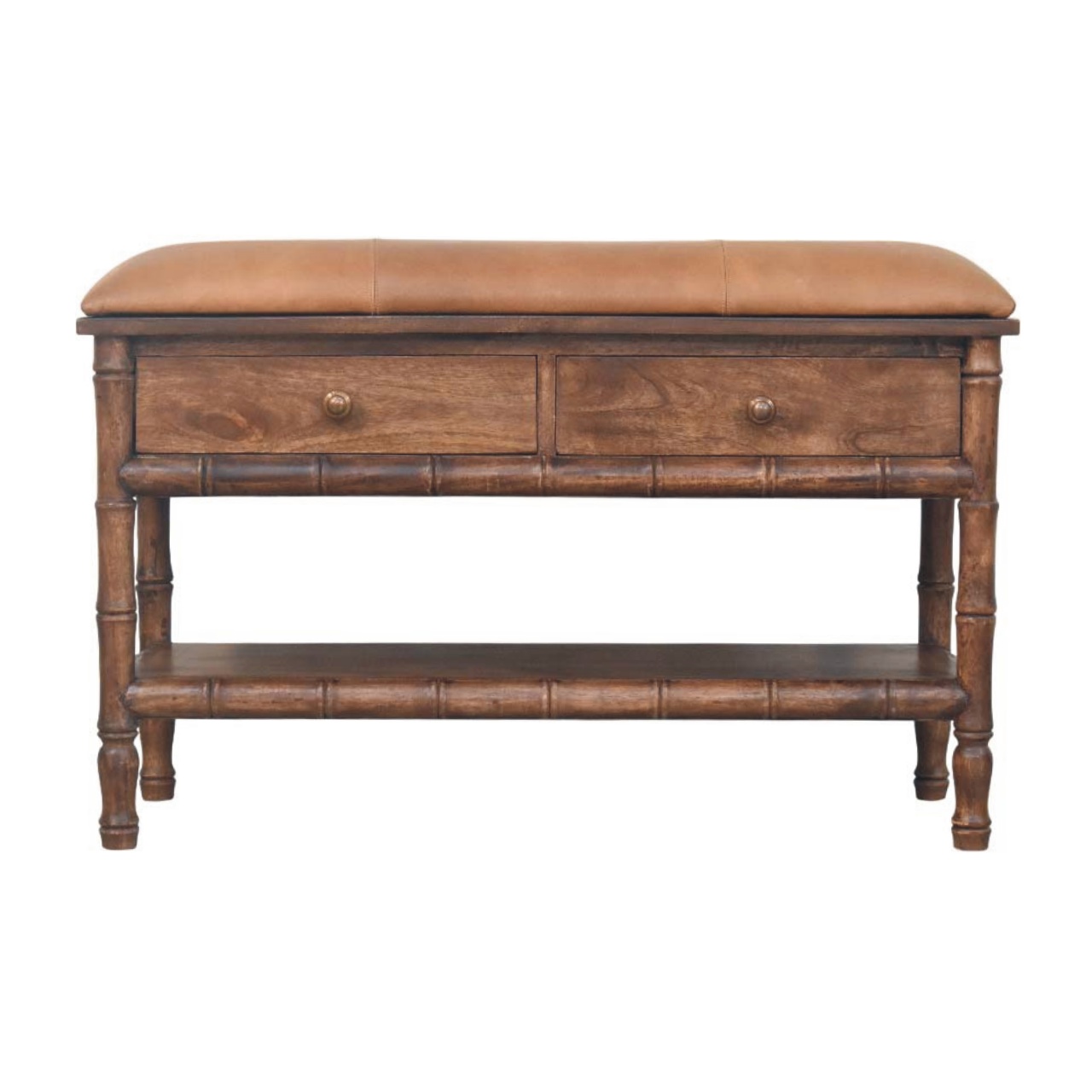
Bamboo Carved Storage
- Width
- 35.4″
- Depth
- 13.8″
- Height
- 21.7″
To view our trade prices online
Trial our custom options to resize & change finish or upholstery

Boucle Carved Telephone Table
- Width
- 35.4″
- Depth
- 13.8″
- Height
- 19.7″
To view our trade prices online
Trial our custom options to resize & change finish or upholstery
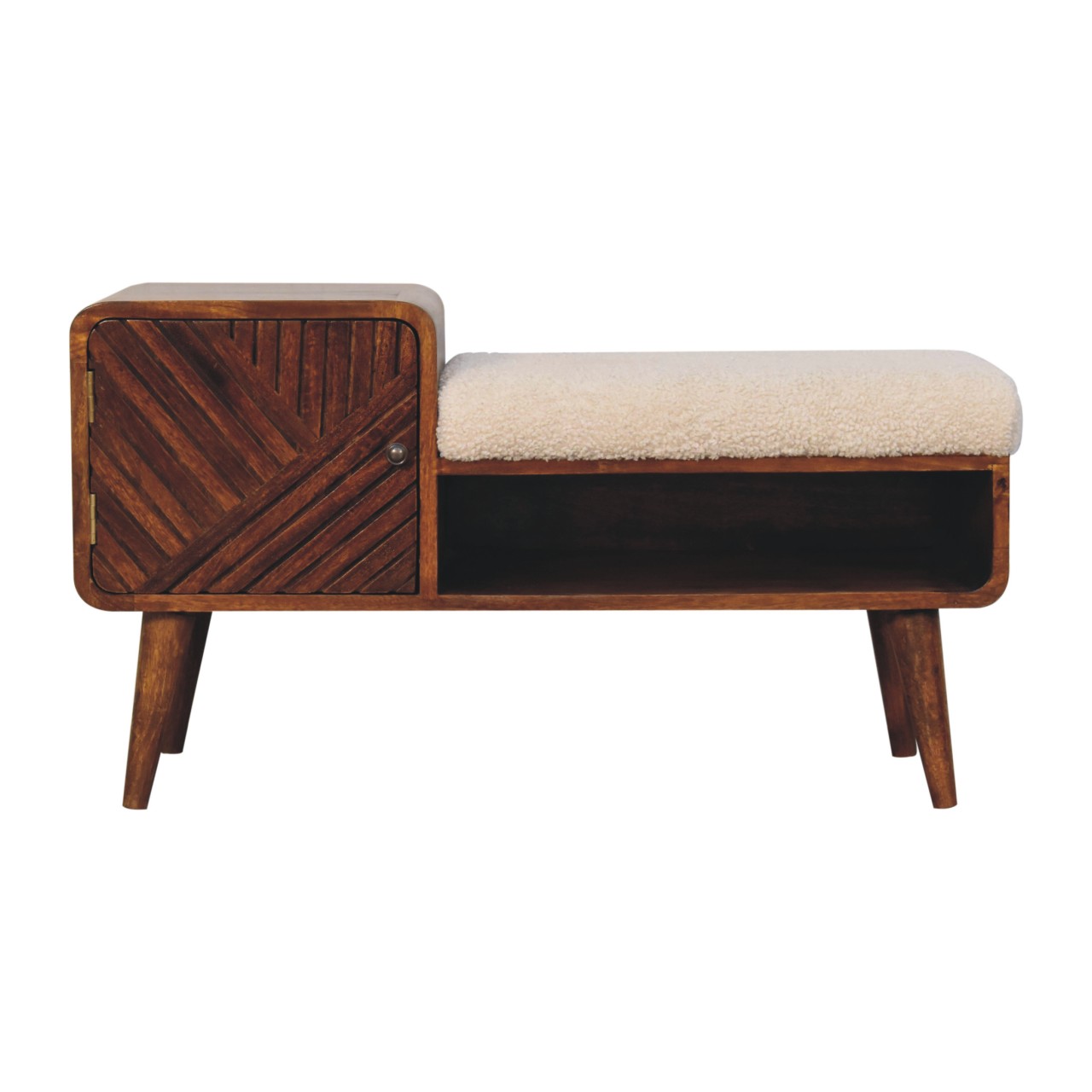
Boucle Carved Chestnut Telephone Table
- Width
- 35.4″
- Depth
- 13.8″
- Height
- 19.7″
To view our trade prices online
Trial our custom options to resize & change finish or upholstery

Carved Kitchen Cabinet
- Width
- 18.1″
- Depth
- 15.8″
- Height
- 39.4″
To view our trade prices online
Trial our custom options to resize & change finish or upholstery
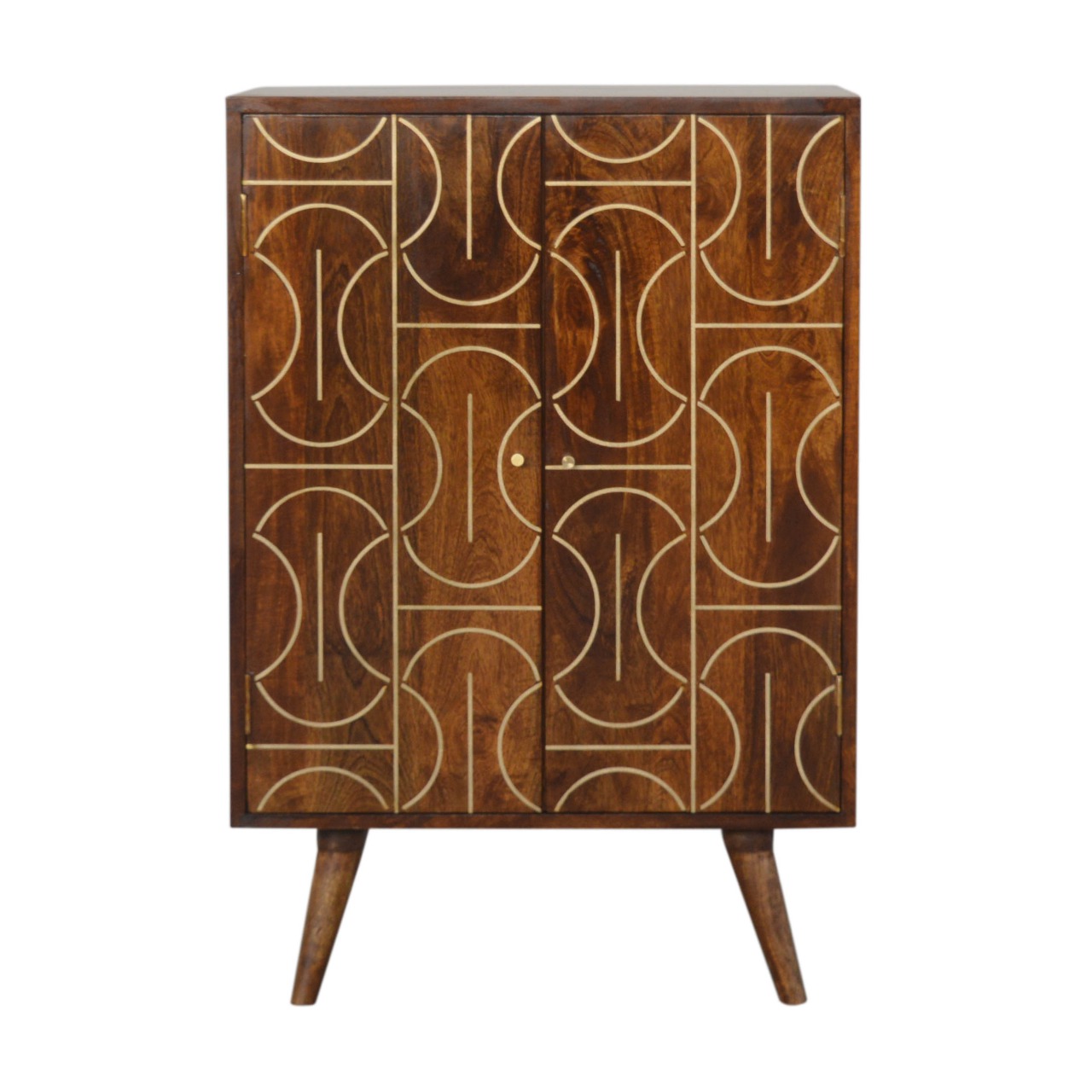
Chestnut Inlay Abstract Cabinet
- Width
- 25.6″
- Depth
- 13.8″
- Height
- 37.4″
To view our trade prices online
Trial our custom options to resize & change finish or upholstery
Trade Consultation
Planning a Hospitality or Commercial Project?
If your project needs solid wood specification support, custom dimensions, or finish samples, request a consultation with our trade team.