
Key Takeaway
selecting materials that enhance spatial perception is essential for effective space utilization.
Selecting Materials That Enhance Spatial Perception
Selecting materials that enhance spatial perception is a critical aspect of design, particularly in commercial settings. The choice of materials can significantly influence how space is perceived and experienced by users. Understanding the properties of various materials allows designers to manipulate light, texture, and color to create environments that feel larger, more inviting, or more functional.
The relationship between material selection and spatial perception is grounded in both psychological principles and physical characteristics. For instance, lighter colors can make spaces appear larger due to their ability to reflect more light. Conversely, darker hues tend to absorb light, which may create a sense of intimacy but can also make areas feel smaller if not balanced correctly. This understanding informs effective design strategies that align with the intended use of the space.
Material Properties
Different materials possess unique properties that affect spatial perception. Wood types such as oak or maple offer warmth and texture while maintaining structural integrity. In contrast, metals like aluminum provide sleekness and modernity but may lack the tactile comfort associated with wood.
Fabric choices also play a vital role; for example, soft textiles can soften harsh lines in a room while adding depth through layering. Additionally, surface finishes—whether matte or glossy—impact how surfaces interact with light. Glossy finishes reflect more light but may introduce glare; thus careful consideration is essential based on the desired ambiance.
What Materials Enhance Spatial Perception?
Materials that enhance spatial perception often include those that are reflective or translucent. Glass elements allow natural light to permeate spaces while creating an illusion of openness. Transparent partitions can delineate areas without obstructing views, fostering a sense of continuity throughout a space.
Moreover, utilizing mirrors strategically can amplify natural lighting effects and visually expand confined areas by creating reflections that trick the eye into perceiving greater depth than exists physically.
Design Principles
Design principles dictate how materials should be selected based on their impact on user experience within a given environment. A fundamental principle is balance: combining different textures and colors thoughtfully ensures harmony without overwhelming users’ senses.
Another key principle involves scale; selecting oversized furniture in small rooms might lead to feelings of confinement rather than comfort. Instead, opting for appropriately scaled pieces creates fluidity within spaces while enhancing usability—a critical factor in commercial environments where functionality directly impacts productivity levels.
How To Choose Materials For Space?
Choosing materials requires evaluating both aesthetic preferences and practical considerations such as durability and maintenance needs specific to each project type—be it hospitality venues or corporate offices. Start by assessing user demographics: younger audiences may prefer vibrant colors whereas older clients might favor muted tones reflecting sophistication.
Next, consider environmental factors impacting material longevity; high-traffic areas necessitate resilient options resistant to wear over time without sacrificing visual appeal—a delicate balance achieved through informed selections aligned with project objectives.
Texture Impact
Texture affects not only visual appeal but also tactile engagement within spaces designed for interaction among users—think textured wall coverings versus smooth surfaces underfoot influencing sensory experiences profoundly across diverse applications from retail displays showcasing products effectively down hallways leading guests toward amenities seamlessly integrated into hotel designs.
Furthermore incorporating varied textures encourages exploration within environments prompting visitors' curiosity about what lies beyond visible boundaries encouraging movement throughout designated pathways ultimately enhancing overall satisfaction derived from immersive experiences crafted intentionally around thoughtful selections made during initial planning stages ensuring success metrics align positively post-implementation evaluations conducted periodically thereafter.
Why Is Material Selection Important For Design?
Material selection shapes user perceptions significantly impacting emotional responses tied closely together forming connections between individuals interacting regularly within built environments designed specifically catering towards fulfilling particular functions efficiently yet elegantly crafted alongside sustainability efforts promoting eco-friendliness whenever possible aligning brand values harmoniously across every touchpoint encountered along journeys undertaken frequently traversed daily routines established firmly rooted foundation supporting growth opportunities arising organically over time cultivated diligently nurtured responsibly managed collaboratively shared visions realized collectively moving forward confidently embracing future challenges ahead poised ready adaptively respond proactively innovatively seeking solutions addressing evolving needs emerging continuously shaping landscapes defining contemporary aesthetics prevailing today’s society increasingly interconnected globally expanding horizons infinitely!
By focusing on these aspects when selecting materials for your projects aimed at enhancing spatial perception effectively you ensure optimal outcomes resonate deeply resonating positively across all stakeholders involved paving way future successes awaiting discovery waiting patiently just around corner!
Relevant Trade Services
Related Guides in Space Optimization
Relevant Trade Products

Bamboo Wall-Mounted Console
- Width
- 31.5″
- Depth
- 12.6″
- Height
- 7.1″
To view our trade prices online
Trial our custom options to resize & change finish or upholstery
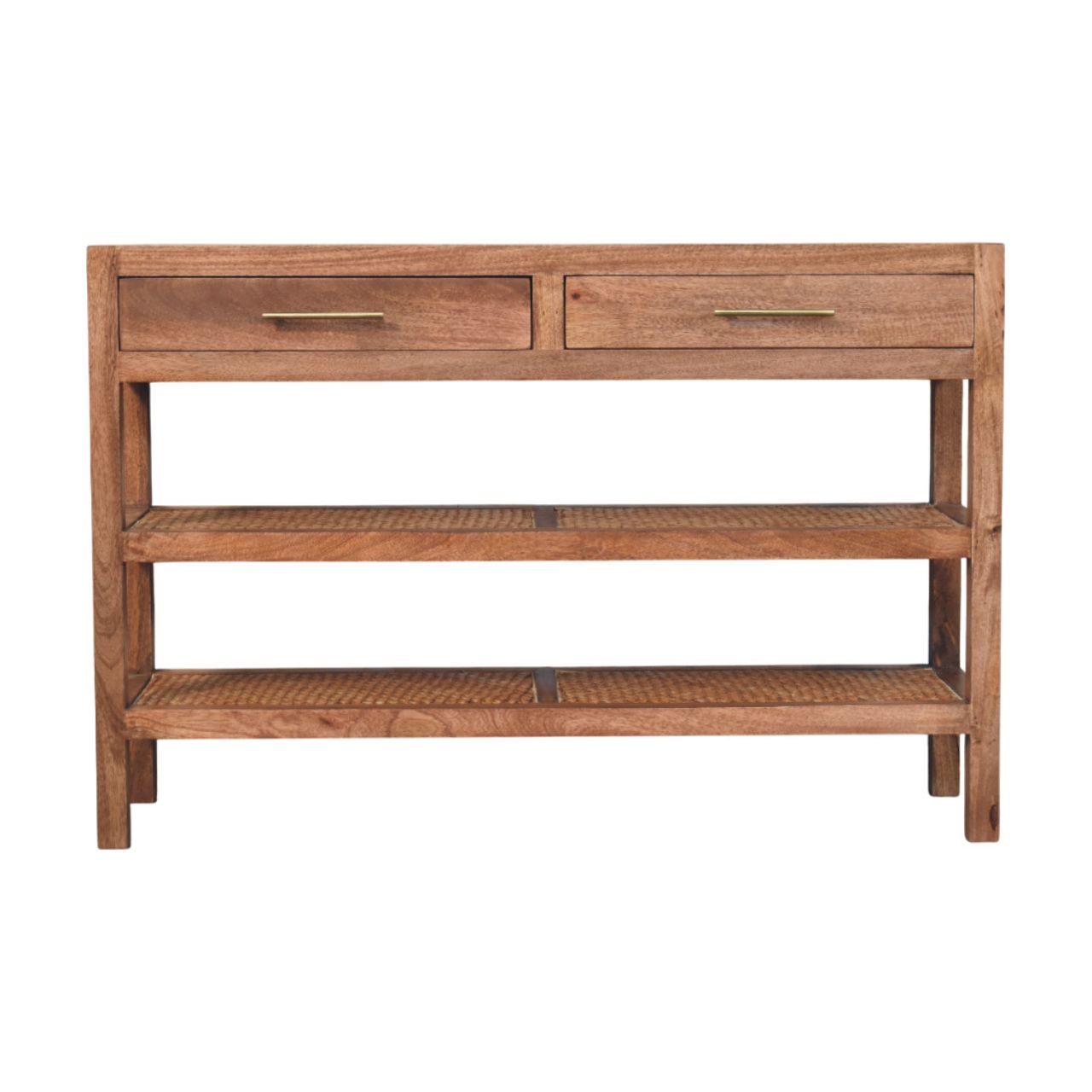
Saffron Rattan Console
- Width
- 47.2″
- Depth
- 13.8″
- Height
- 31.5″
To view our trade prices online
Trial our custom options to resize & change finish or upholstery

Bamboo Two Drawer Console Table
- Width
- 31.5″
- Depth
- 12.6″
- Height
- 7.1″
To view our trade prices online
Trial our custom options to resize & change finish or upholstery

Spindle Woven Console
- Width
- 45.3″
- Depth
- 15.8″
- Height
- 34.7″
To view our trade prices online
Trial our custom options to resize & change finish or upholstery

Belmont Cane Edge Console Table
- Width
- 35.4″
- Depth
- 13.8″
- Height
- 31.5″
To view our trade prices online
Trial our custom options to resize & change finish or upholstery

Spindle Rattan Console Table
- Width
- 35.4″
- Depth
- 13.8″
- Height
- 31.9″
To view our trade prices online
Trial our custom options to resize & change finish or upholstery
Trade Consultation
Planning a Hospitality or Commercial Project?
If your project needs solid wood specification support, custom dimensions, or finish samples, request a consultation with our trade team.