
Key Takeaway
Optimizing office layouts for productivity involves strategic design choices that enhance workflow.
Optimizing Office Layouts for Productivity
Creating an effective office layout is crucial for enhancing productivity in the workplace. By optimizing office layouts for productivity, organizations can significantly improve employee engagement and efficiency. Research indicates that well-designed workspaces can lead to a 20% increase in productivity (Source: Steelcase). This report explores key strategies and findings related to workspace design trends, collaborative environments, and furniture arrangement strategies.
Workspace Design Trends
Modern workspace design emphasizes flexibility and adaptability. Open floor plans have gained popularity as they encourage collaboration among employees. However, research shows that while open spaces promote teamwork, they may also lead to distractions if not properly managed. According to a study by Gensler, 70% of employees reported feeling distracted in open offices (Source: Gensler). Therefore, it is essential to balance open areas with quiet zones where employees can focus on tasks without interruptions.
Incorporating biophilic design elements—such as natural light and greenery—also contributes positively to employee well-being and productivity. A study conducted by Human Spaces found that workplaces featuring natural elements saw a 15% increase in creativity among workers (Source: Human Spaces). Thus, integrating nature into the office environment not only enhances aesthetic appeal but also supports cognitive function.
Collaborative Workspaces
The importance of collaborative workspaces cannot be overstated when discussing productivity optimization. These areas facilitate communication and teamwork among employees, fostering innovation through shared ideas. Effective collaborative spaces should include various seating arrangements and technology tools that enable seamless interaction.
However, it's vital to consider how these spaces are utilized. Organizations must ensure that collaborative areas do not become overcrowded or noisy; otherwise, they risk counteracting their intended purpose. Research from Harvard Business Review indicates that teams who utilize designated collaboration zones effectively experience up to 25% higher performance levels compared to those who do not (Source: HBR). Therefore, creating structured guidelines around the use of these spaces can enhance their effectiveness.
Furniture Arrangement Strategies
Furniture arrangement plays a critical role in optimizing office layouts for productivity. Ergonomic furniture solutions are essential for maintaining employee comfort during long working hours; studies show that ergonomic interventions can reduce musculoskeletal disorders by up to 58% (Source: OSHA). Proper desk height adjustments and supportive seating options contribute significantly to overall job satisfaction.
Moreover, strategic furniture placement influences workflow efficiency within the workspace. For instance, positioning desks closer together fosters communication while ensuring sufficient space between them minimizes distractions. Additionally, utilizing modular furniture allows organizations to adapt quickly as team dynamics change or project needs evolve.
Key Considerations:
- Ergonomics: Invest in adjustable desks and chairs.
- Flexibility: Use modular furniture for easy reconfiguration.
- Space Management: Ensure adequate spacing between workstations.
Relevant Trade Services
Frequently Asked Questions
Related Guides in Space Optimization
Relevant Trade Products

Curved Flow Writing Desk
- Width
- 35.4″
- Depth
- 17.7″
- Height
- 31.5″
To view our trade prices online
Trial our custom options to resize & change finish or upholstery
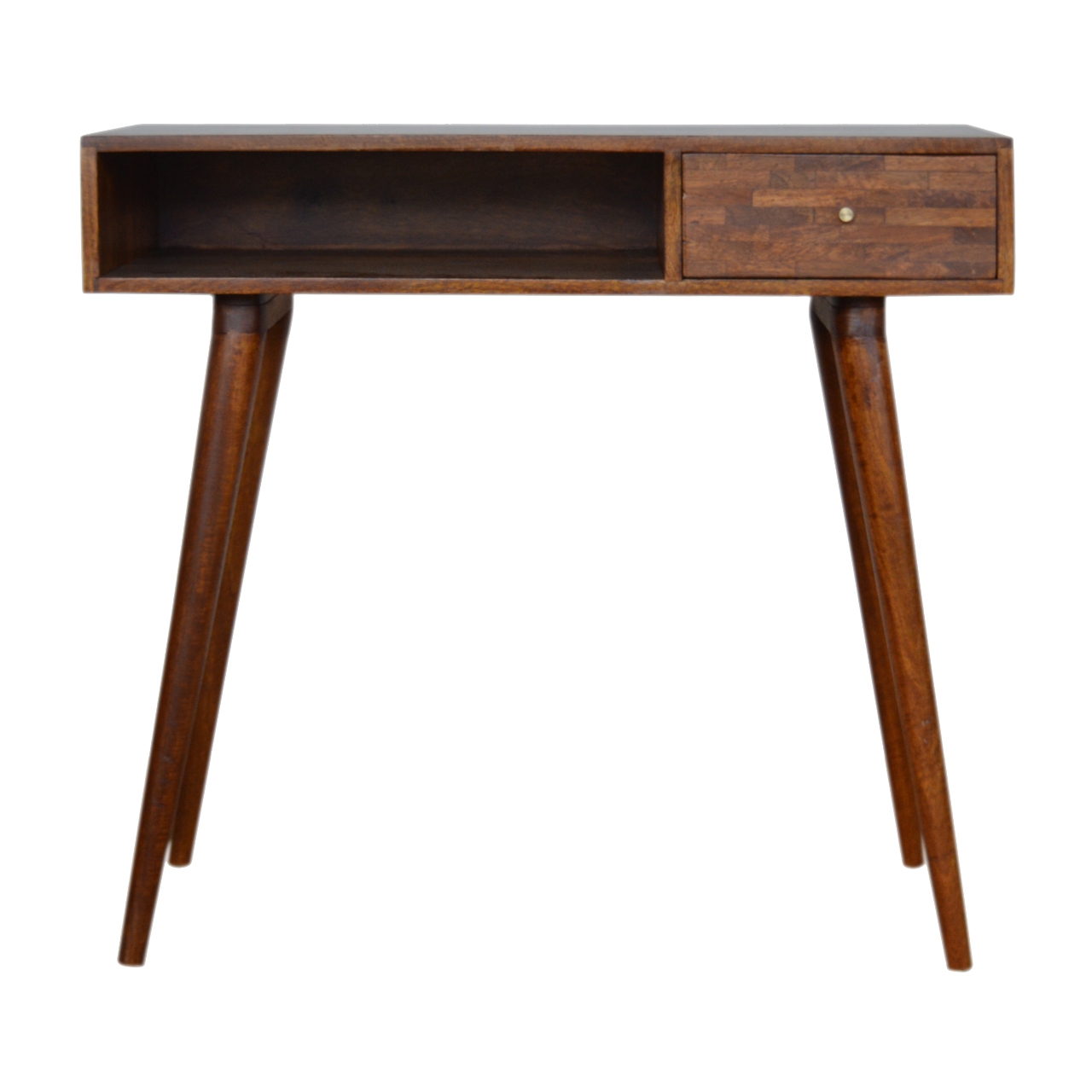
Mixed Chestnut Writing Desk
- Width
- 34.7″
- Depth
- 17.7″
- Height
- 31.5″
To view our trade prices online
Trial our custom options to resize & change finish or upholstery

Lille Writing Desk
- Width
- 34.7″
- Depth
- 17.7″
- Height
- 31.5″
To view our trade prices online
Trial our custom options to resize & change finish or upholstery
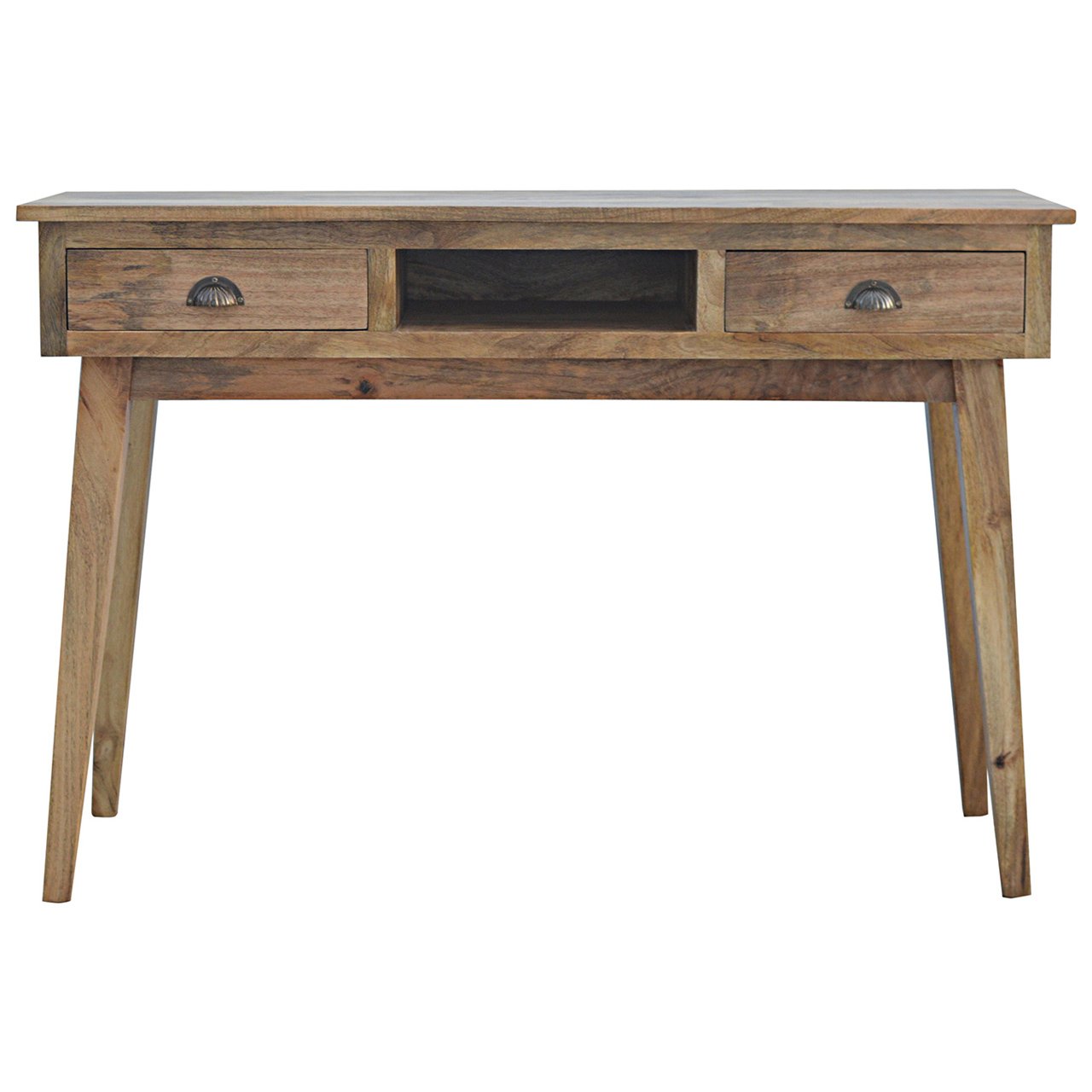
2 Drawer Shell Writing Desk
- Width
- 45.3″
- Depth
- 17.7″
- Height
- 30.7″
To view our trade prices online
Trial our custom options to resize & change finish or upholstery
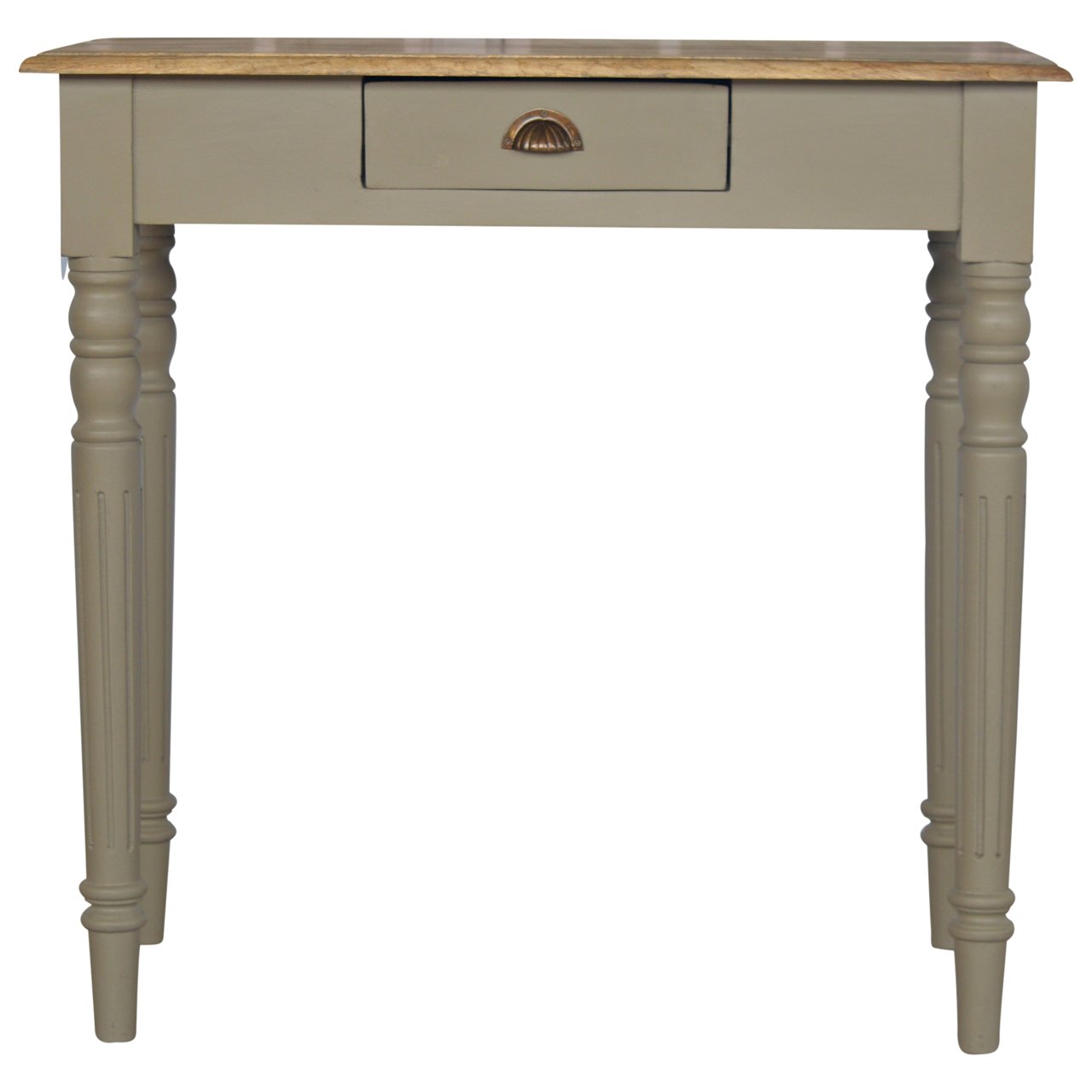
Hand Painted Writing Desk
- Width
- 31.5″
- Depth
- 17.7″
- Height
- 30.7″
To view our trade prices online
Trial our custom options to resize & change finish or upholstery
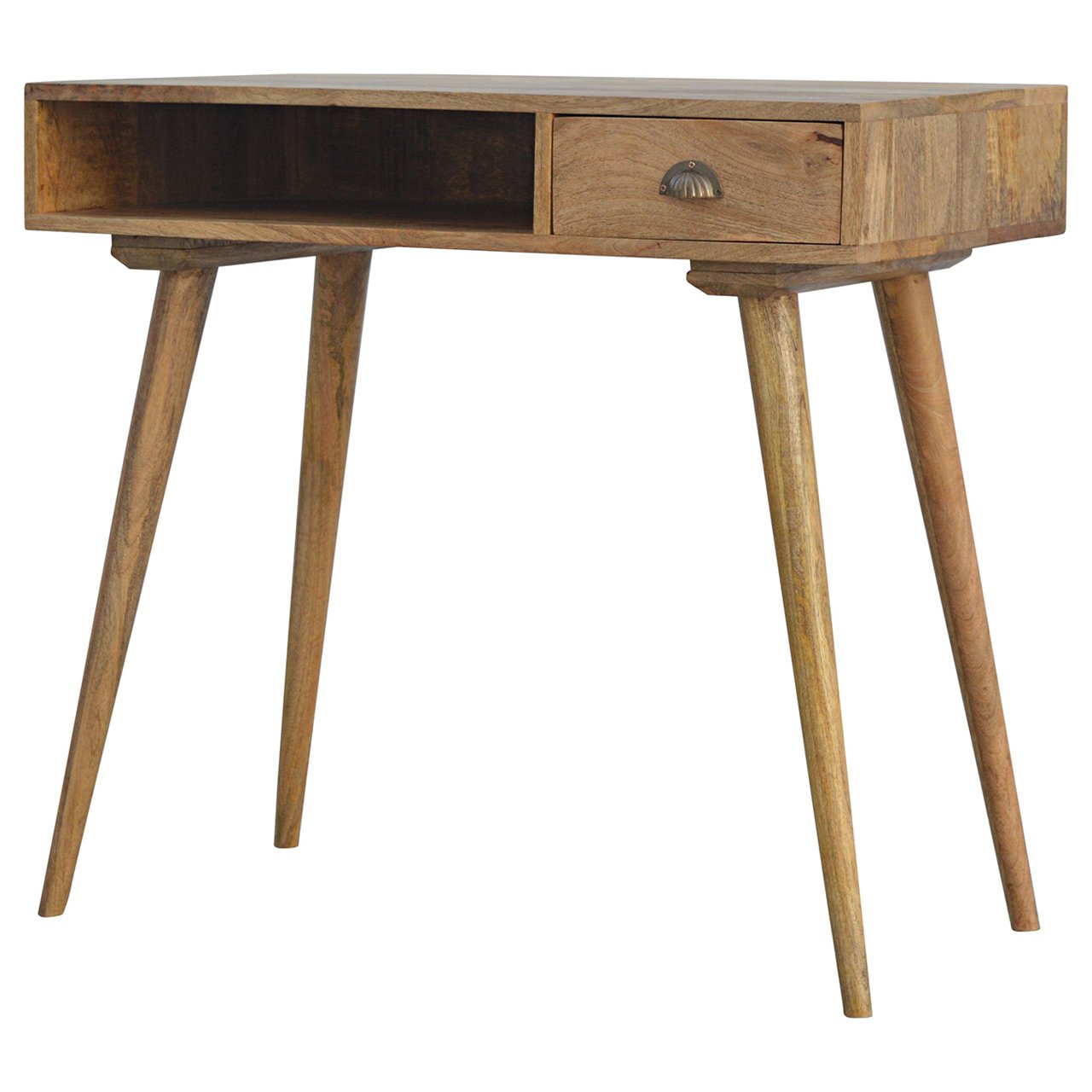
Open Slot Nordic Writing Desk
- Width
- 34.7″
- Depth
- 17.7″
- Height
- 31.5″
To view our trade prices online
Trial our custom options to resize & change finish or upholstery
Trade Consultation
Planning a Hospitality or Commercial Project?
If your project needs solid wood specification support, custom dimensions, or finish samples, request a consultation with our trade team.