

Key Takeaway
To conduct a thorough ergonomic evaluation, several critical components must be included in your assessment process.
Understanding the Ergonomic Design Assessment Template
An ergonomic design assessment template serves as a structured tool to evaluate workspace ergonomics effectively. This template helps identify potential risks associated with poor design and offers recommendations for improvements that enhance user comfort and productivity. By utilizing such a template, organizations can systematically assess their work environments, ensuring they align with established ergonomic standards.
The relevance of ergonomics in workplace design cannot be overstated. According to the Occupational Safety and Health Administration (OSHA), musculoskeletal disorders account for over 30% of all worker compensation claims in the United States, costing businesses billions annually (Source: OSHA). An effective ergonomic assessment can mitigate these risks by addressing common issues before they escalate into serious problems.
Key Components of Ergonomic Assessments
To conduct a thorough ergonomic evaluation, several critical components must be included in your assessment process. These components typically encompass seating analysis, desk height measurement, and posture evaluation.
Seating analysis involves examining chairs used within the workspace to ensure they provide adequate support for users throughout their workday. A chair that promotes proper posture can significantly reduce discomfort and prevent long-term health issues. Studies indicate that adjustable chairs improve user satisfaction by 20% compared to non-adjustable options (Source: Human Factors and Ergonomics Society).
Desk height measurement is another vital aspect of an ergonomic assessment. Workstations should accommodate various body types to promote healthy working positions. The recommended desk height varies based on individual measurements but generally falls between 28-30 inches from the floor for seated tasks (Source: ANSI). Ensuring desks are at appropriate heights can lead to improved employee morale and productivity.
Posture evaluation focuses on how employees position themselves while working at their desks or using equipment. Poor posture contributes significantly to discomfort and fatigue over time. Research shows that maintaining an ideal posture reduces strain on muscles by up to 50%, highlighting its importance in workplace design (Source: ISO).
Benefits of Implementing Ergonomic Assessments
Implementing regular ergonomic assessments provides numerous benefits beyond mere compliance with regulations; it fosters a healthier work environment conducive to enhanced performance.
One primary benefit is reduced absenteeism due to fewer injuries related to poor ergonomics. Organizations that invest in ergonomic solutions report a decrease in injury-related absences by approximately 25% (Source: Bureau of Labor Statistics). This reduction not only saves costs associated with temporary replacements but also maintains team productivity levels.
Additionally, improving workplace ergonomics leads directly to increased employee satisfaction. When workers feel comfortable in their environments, they are more likely to remain engaged with their tasks, resulting in higher output quality and efficiency rates—upwards of 15% improvement has been documented following ergonomic interventions (Source: Human Factors International).
Moreover, adopting an evidence-based approach towards ergonomics enhances organizational reputation among prospective employees seeking safe workplaces—an essential factor given today’s competitive job market.
Using an Ergonomic Design Assessment Template Effectively
To maximize the effectiveness of your ergonomic design assessment template, follow structured guidelines during implementation:
- Gather Data: Collect information about current workstation setups through surveys or direct observations.
- Analyze Findings: Use collected data against established benchmarks like those set forth by OSHA or ANSI.
- Prioritize Recommendations: Identify high-risk areas first based on data analysis results.
- Implement Changes: Make necessary adjustments based on prioritized recommendations.
- Monitor Outcomes: Regularly review changes’ effectiveness through follow-up assessments.
By adhering strictly to this methodology when utilizing your template, you ensure comprehensive evaluations leading toward actionable insights tailored specifically for your organization’s needs.
Relevant Trade Services
Frequently Asked Questions
Related Guides in Ergonomic Designs
Relevant Trade Products
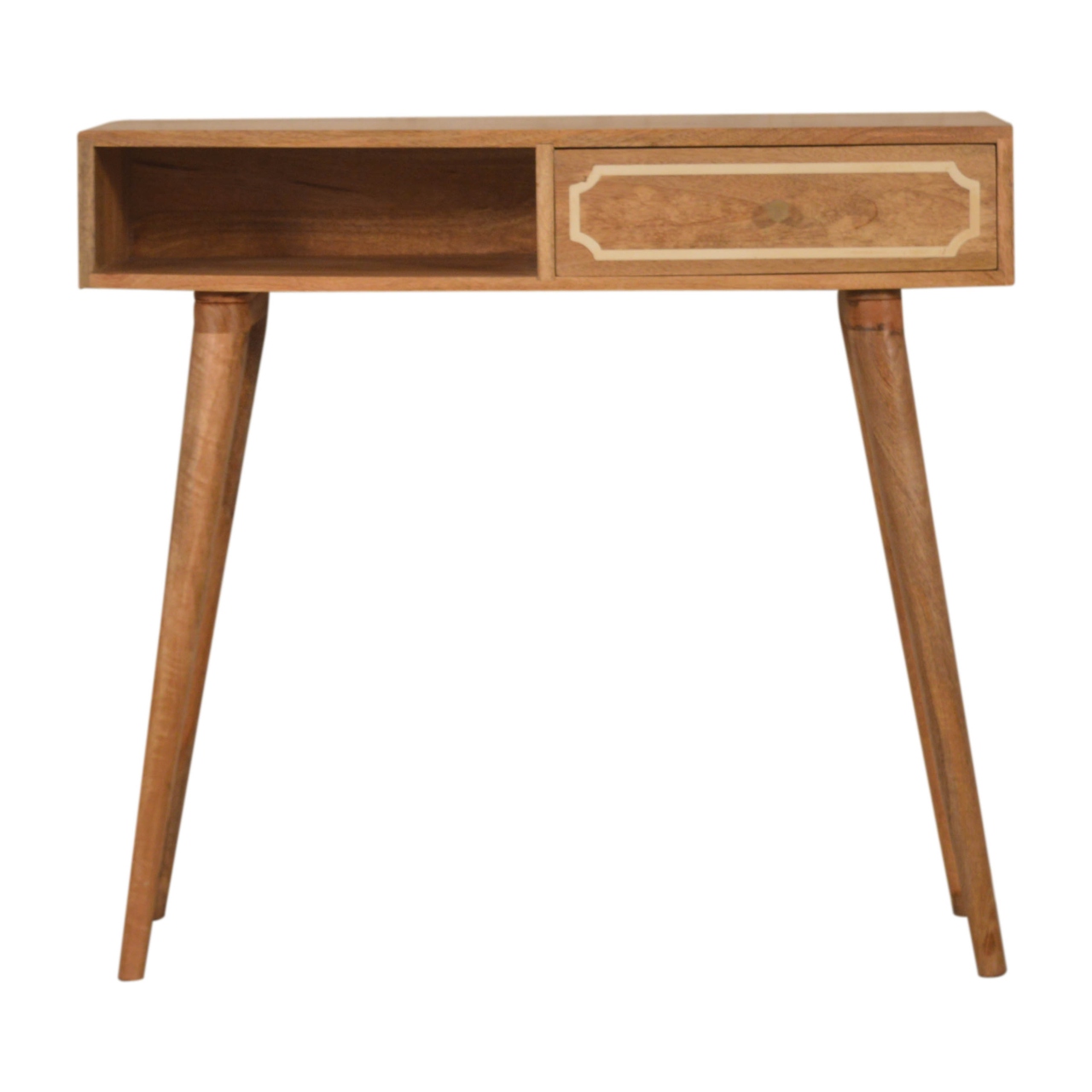
Nepal Writing Desk
- Width
- 34.7″
- Depth
- 13.8″
- Height
- 31.5″
To view our trade prices online
Trial our custom options to resize & change finish or upholstery

Chestnut Rounded Writing Desk
- Width
- 35.4″
- Depth
- 17.7″
- Height
- 31.5″
To view our trade prices online
Trial our custom options to resize & change finish or upholstery

Chestnut Wave Writing Desk
- Width
- 43.3″
- Depth
- 13.8″
- Height
- 30.7″
To view our trade prices online
Trial our custom options to resize & change finish or upholstery

Walnut Block Writing Desk
- Width
- 34.7″
- Depth
- 17.7″
- Height
- 31.5″
To view our trade prices online
Trial our custom options to resize & change finish or upholstery
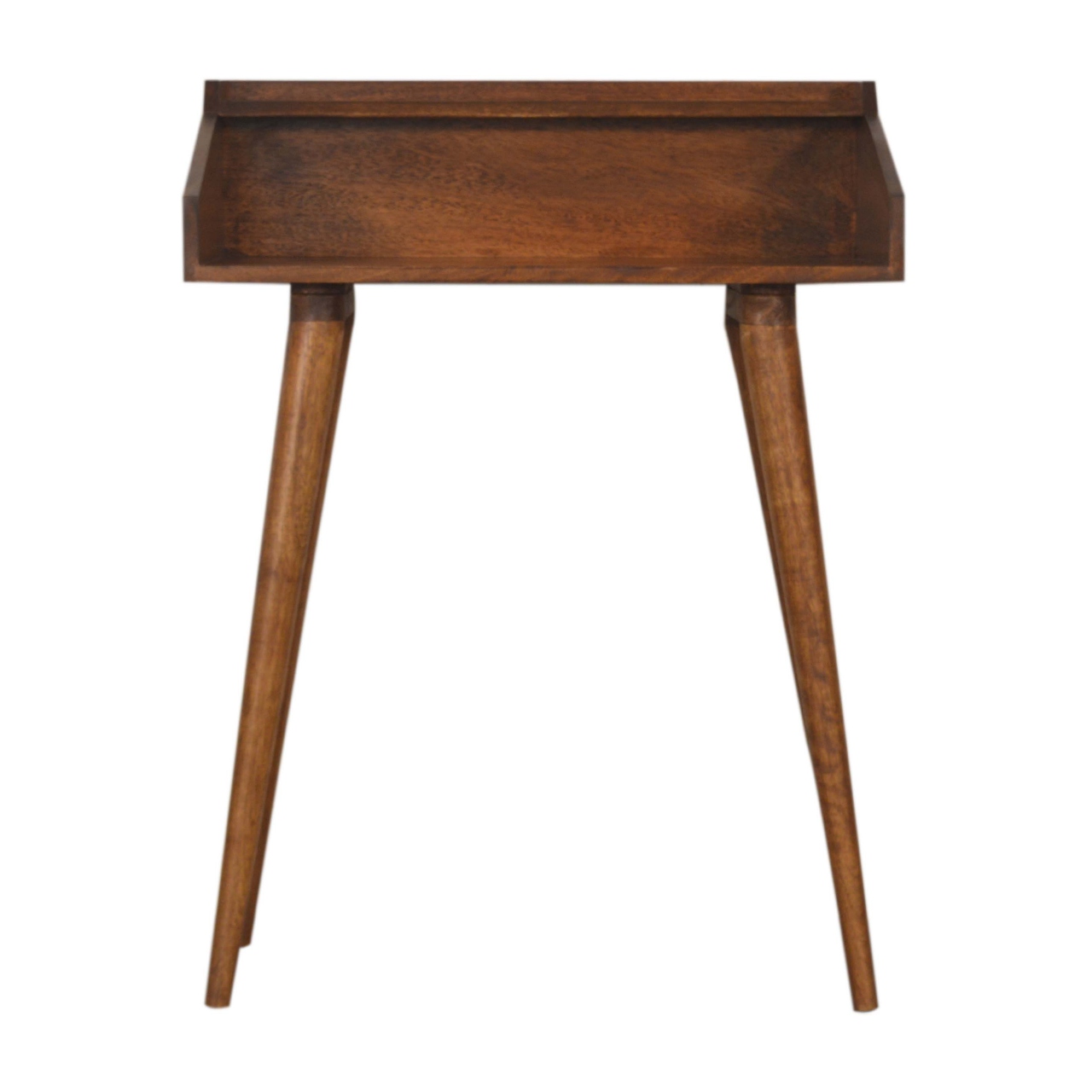
Open Chestnut Writing Desk
- Width
- 27.6″
- Depth
- 15.8″
- Height
- 36.2″
To view our trade prices online
Trial our custom options to resize & change finish or upholstery

Stella Writing Desk
- Width
- 34.7″
- Depth
- 17.7″
- Height
- 31.5″
To view our trade prices online
Trial our custom options to resize & change finish or upholstery
Trade Consultation
Planning a Hospitality or Commercial Project?
If your project needs solid wood specification support, custom dimensions, or finish samples, request a consultation with our trade team.