
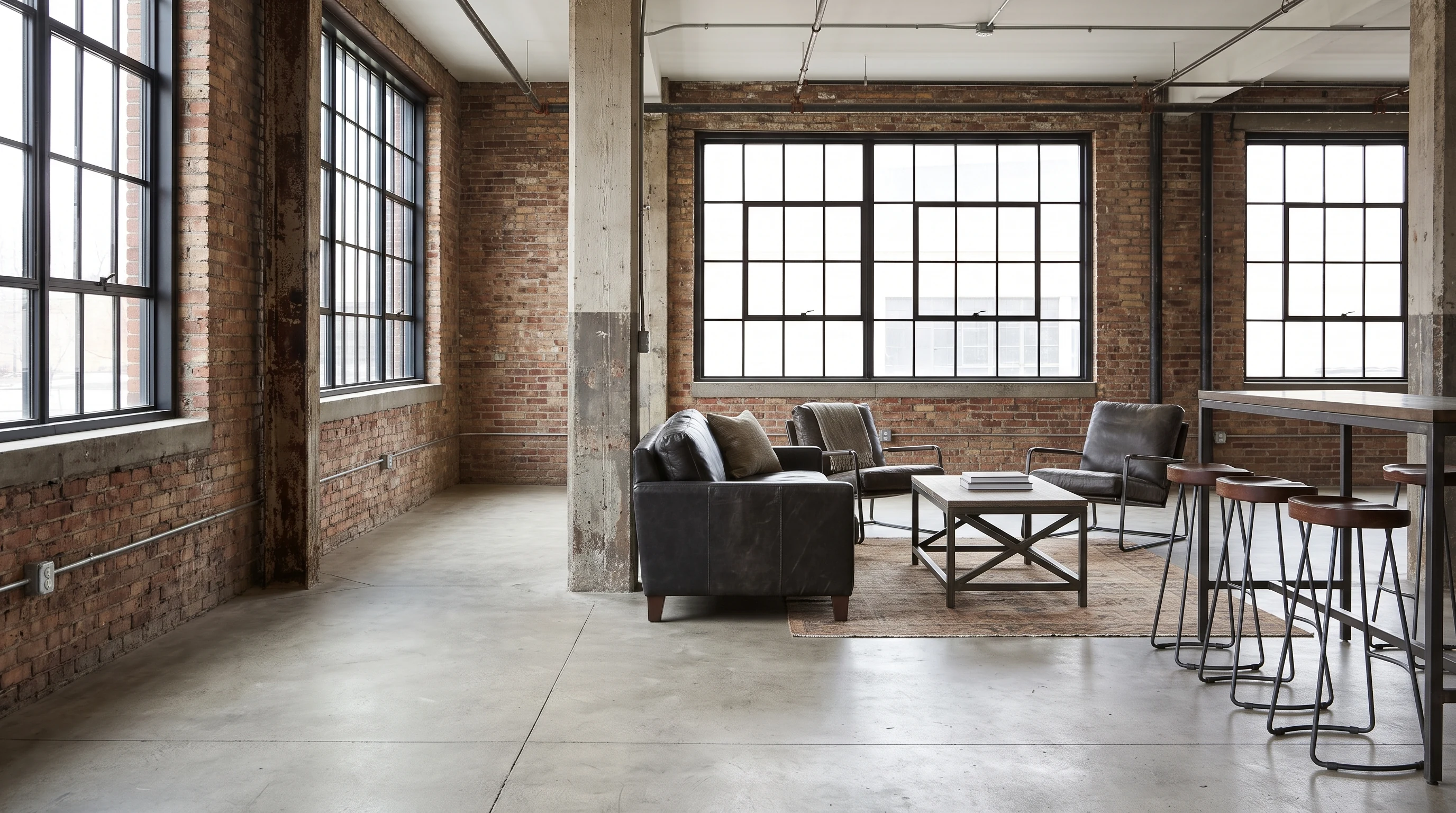
Key Takeaway
aesthetic style selection checklist provides essential steps for selecting the right design elements.
Aesthetic Style Selection Checklist
Selecting an aesthetic style is a critical step in the design process, especially for those involved in furniture procurement. An aesthetic style selection checklist serves as a structured guide to ensure that your choices align with both functional needs and visual appeal. This document will explore essential design principles, furniture aesthetics, and effective strategies for selecting styles that resonate with your project's goals.
Understanding Design Principles
Design principles are foundational concepts that guide the creation of aesthetically pleasing environments. They encompass balance, contrast, emphasis, movement, pattern, rhythm, and unity. Each principle plays a vital role in how spaces are perceived and experienced.
For instance, balance refers to the distribution of visual weight within a space. Achieving equilibrium can be done symmetrically or asymmetrically; however, research indicates that well-balanced designs enhance user comfort by 30%. Understanding these principles allows you to make informed decisions about which elements will work harmoniously together.
Contrast is another significant principle that can create focal points within an interior space. By juxtaposing different colors or materials effectively, designers can draw attention to specific areas or features of a room. For example, using light-colored furniture against dark walls increases visibility and enhances overall aesthetics by approximately 25%.
Exploring Furniture Aesthetics
Furniture aesthetics refer to the visual characteristics and emotional responses elicited by various styles of furnishings. These include modernism's clean lines versus traditional designs' intricate details. The choice of aesthetic impacts not only the look but also the functionality of spaces.
When evaluating furniture options for commercial projects such as hospitality venues or corporate offices, consider how each piece aligns with your brand identity and target audience preferences. Research shows that aligning design choices with customer expectations can increase client satisfaction rates by up to 40%.
Moreover, material selection plays a crucial role in establishing an aesthetic tone. Solid wood offers durability while conveying warmth; metal provides industrial chicness; upholstery adds softness and comfort—each material contributes uniquely to the overall feel of a space.
Steps for Selecting Styles
To effectively select an aesthetic style suited for your project needs:
- Define Your Objectives: Clearly outline what you want to achieve with your design—whether it's creating a welcoming atmosphere or promoting productivity.
- Research Trends: Stay updated on current interior trends through industry publications or trade shows.
- Create Mood Boards: Assemble visuals representing desired styles using images from magazines or online platforms like Pinterest.
- Evaluate Compatibility: Assess how potential selections fit into existing architectural elements while considering functionality.
- Seek Feedback: Engage stakeholders early in the process for insights on preferences before finalizing choices.
Following these steps ensures alignment between vision and execution while minimizing costly revisions later on.
Common Mistakes in Style Selection
While navigating style selection processes can be complex, avoiding common pitfalls is essential:
- Neglecting Functionality: Prioritizing aesthetics over usability often leads to impractical designs that fail their intended purpose.
- Ignoring Budget Constraints: Failing to establish clear budget limits may result in overspending on high-end pieces without adequate justification.
- Overcomplicating Choices: Introducing too many conflicting styles creates visual chaos rather than cohesion within spaces.
By being aware of these mistakes upfront—and addressing them proactively—you enhance decision-making effectiveness throughout your project lifecycle.
Relevant Trade Services
Frequently Asked Questions
Related Guides in Aesthetic Styles
Relevant Trade Products
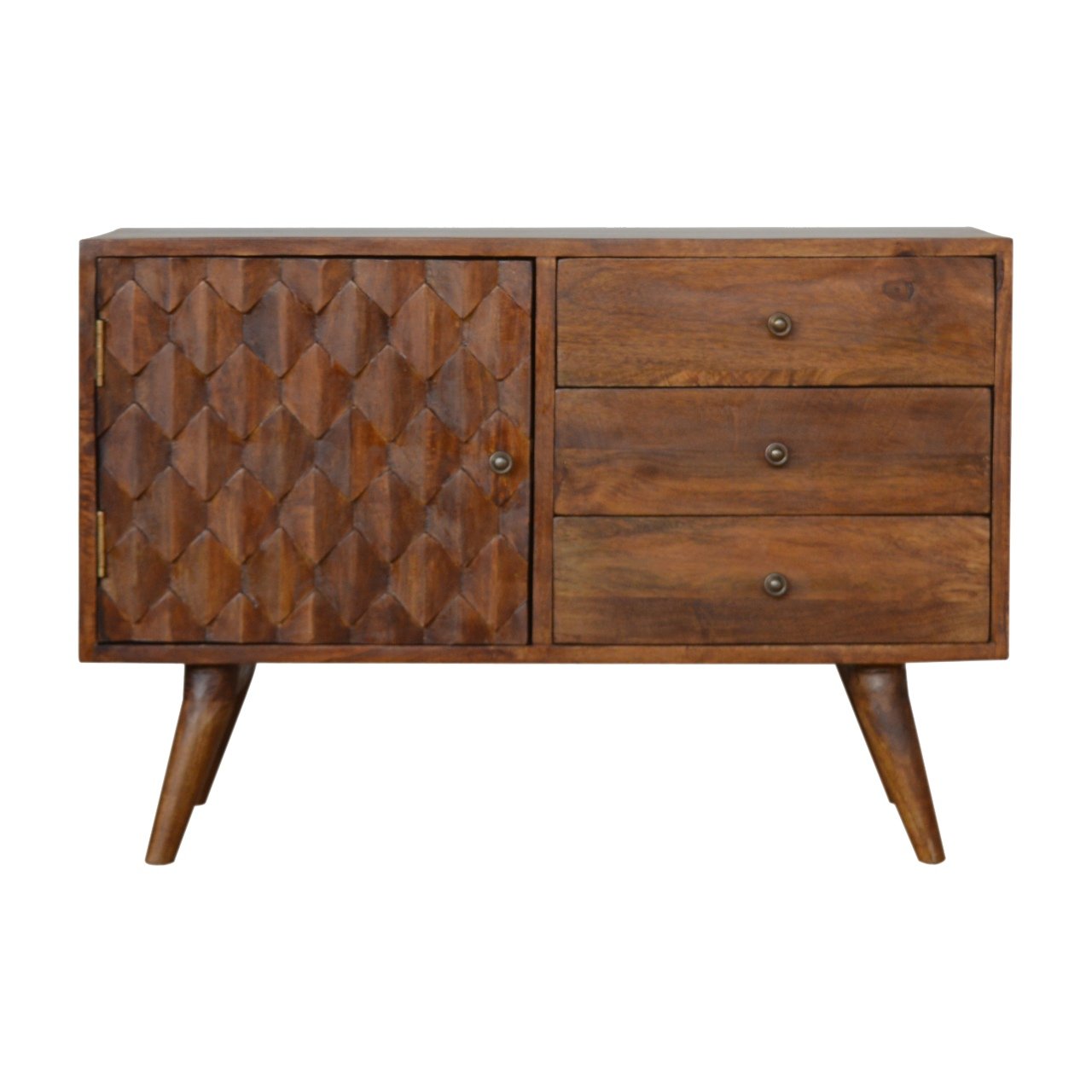
Carved Chestnut Sideboard
- Width
- 34.7″
- Depth
- 13.8″
- Height
- 22.8″
To view our trade prices online
Trial our custom options to resize & change finish or upholstery

Pineapple Carved Sideboard
- Width
- 34.7″
- Depth
- 13.8″
- Height
- 22.8″
To view our trade prices online
Trial our custom options to resize & change finish or upholstery

Solis Carved 4 Door Chestnut Sideboard
- Width
- 59.1″
- Depth
- 13.8″
- Height
- 31.5″
To view our trade prices online
Trial our custom options to resize & change finish or upholstery
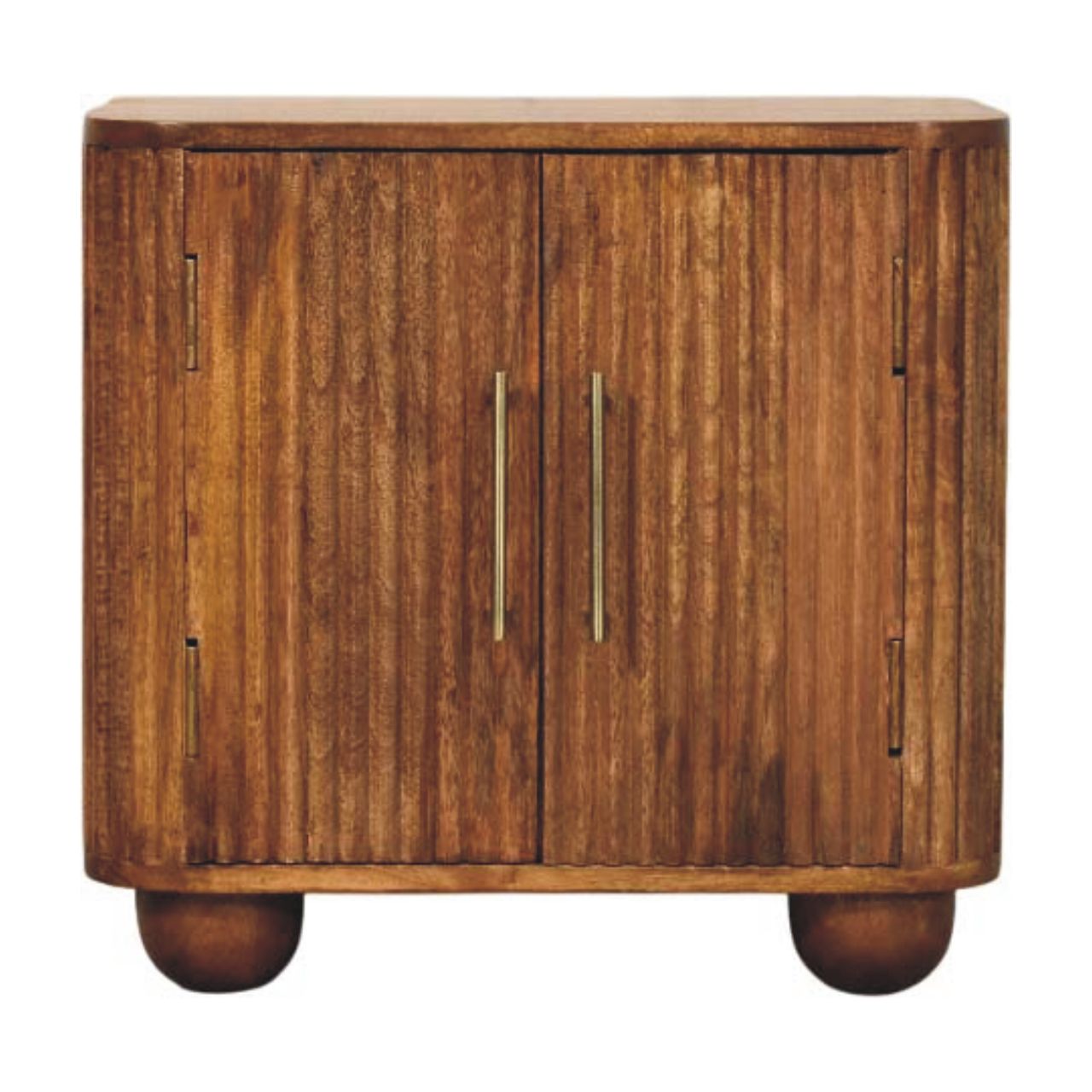
Solis Fluted Mini Sideboard
- Width
- 21.7″
- Depth
- 15.8″
- Height
- 20.9″
To view our trade prices online
Trial our custom options to resize & change finish or upholstery
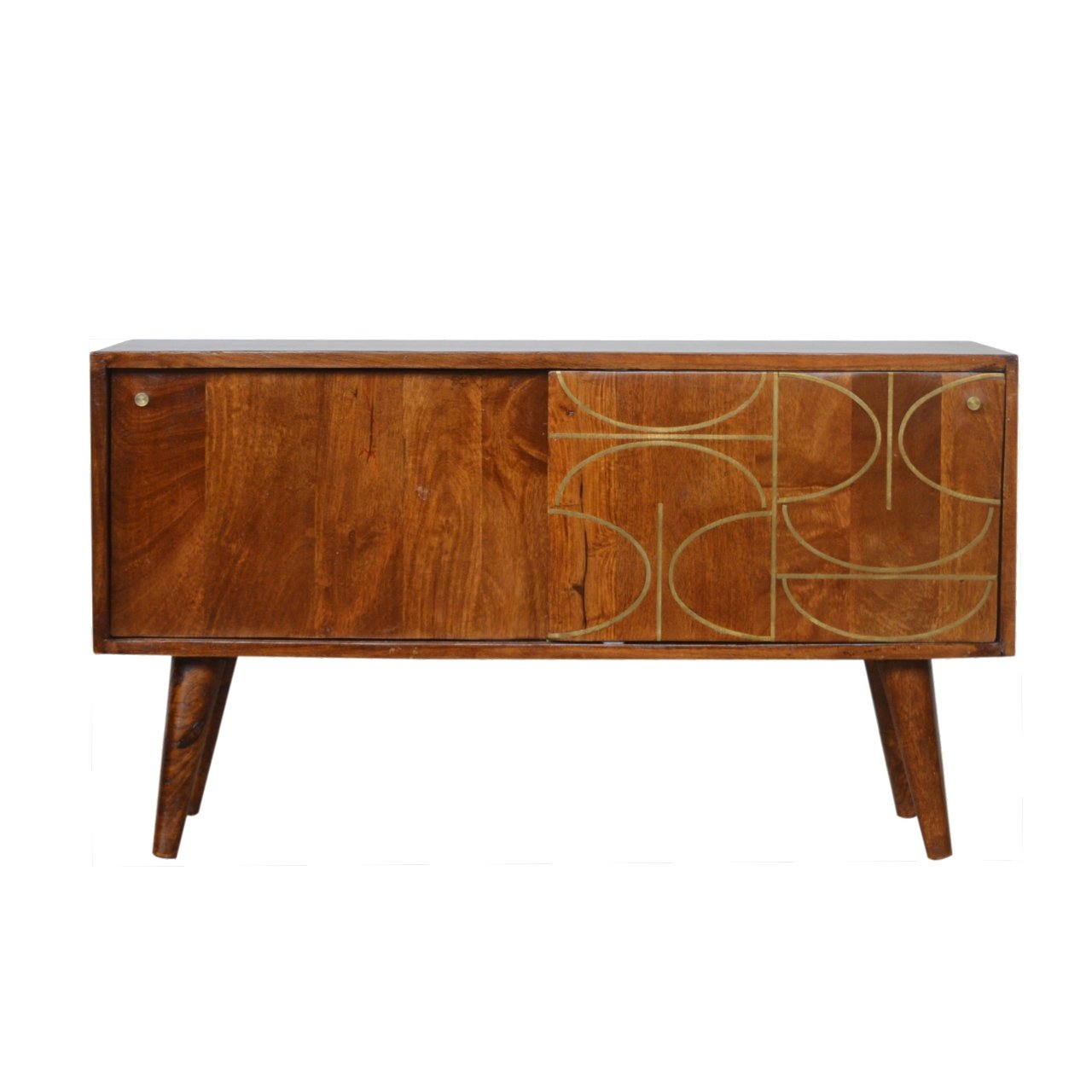
Chestnut Abstract Inlay Sideboard
- Width
- 34.7″
- Depth
- 13.8″
- Height
- 19.3″
To view our trade prices online
Trial our custom options to resize & change finish or upholstery
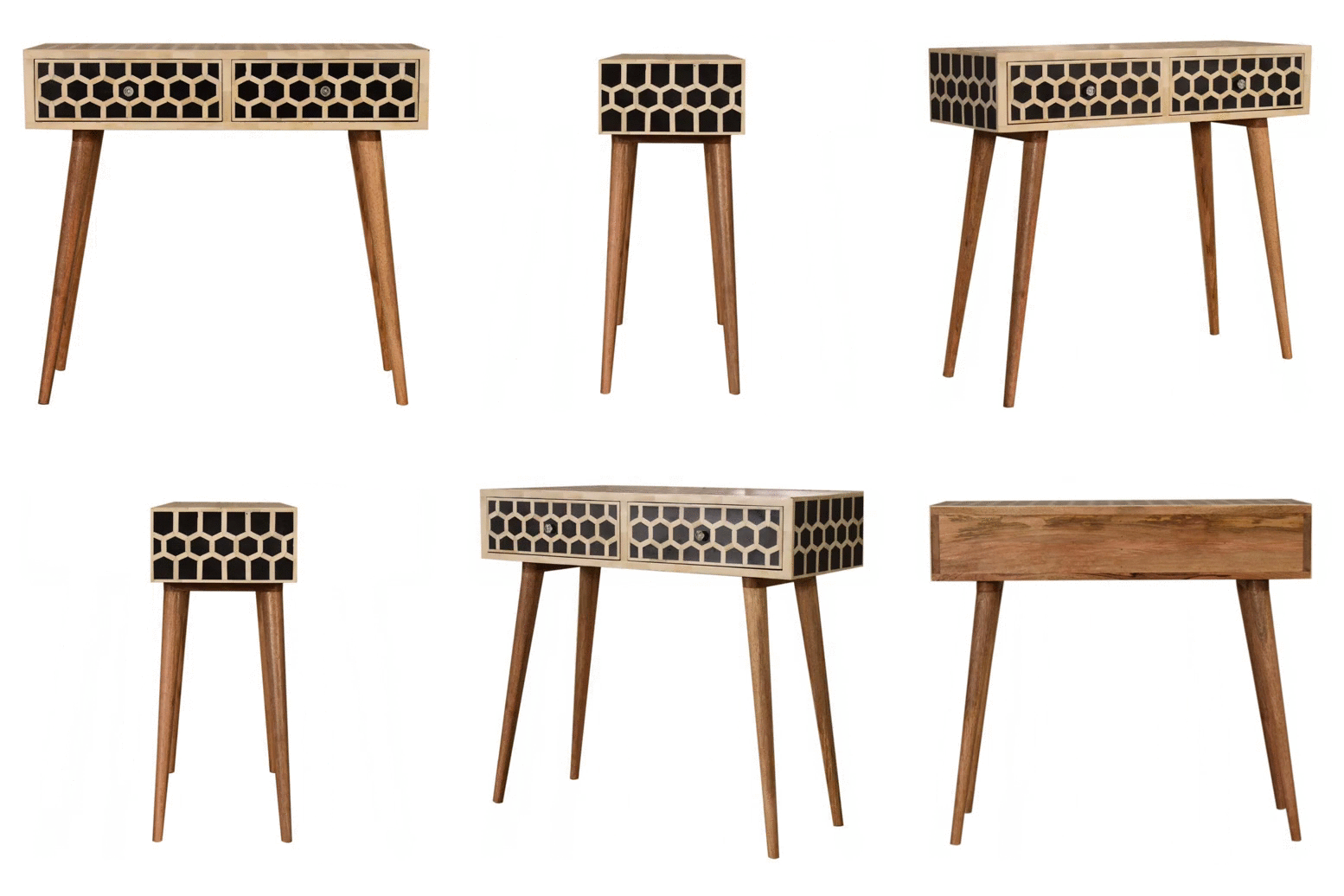
Honeycomb Bone Inlay Console Table
- Width
- 35.4″
- Depth
- 13.8″
- Height
- 32.3″
To view our trade prices online
Trial our custom options to resize & change finish or upholstery
Trade Consultation
Planning a Hospitality or Commercial Project?
If your project needs solid wood specification support, custom dimensions, or finish samples, request a consultation with our trade team.