
Key Takeaway
Industrial aesthetic design considerations enhance the appeal and functionality of contract furniture.
Industrial Aesthetic Design Considerations
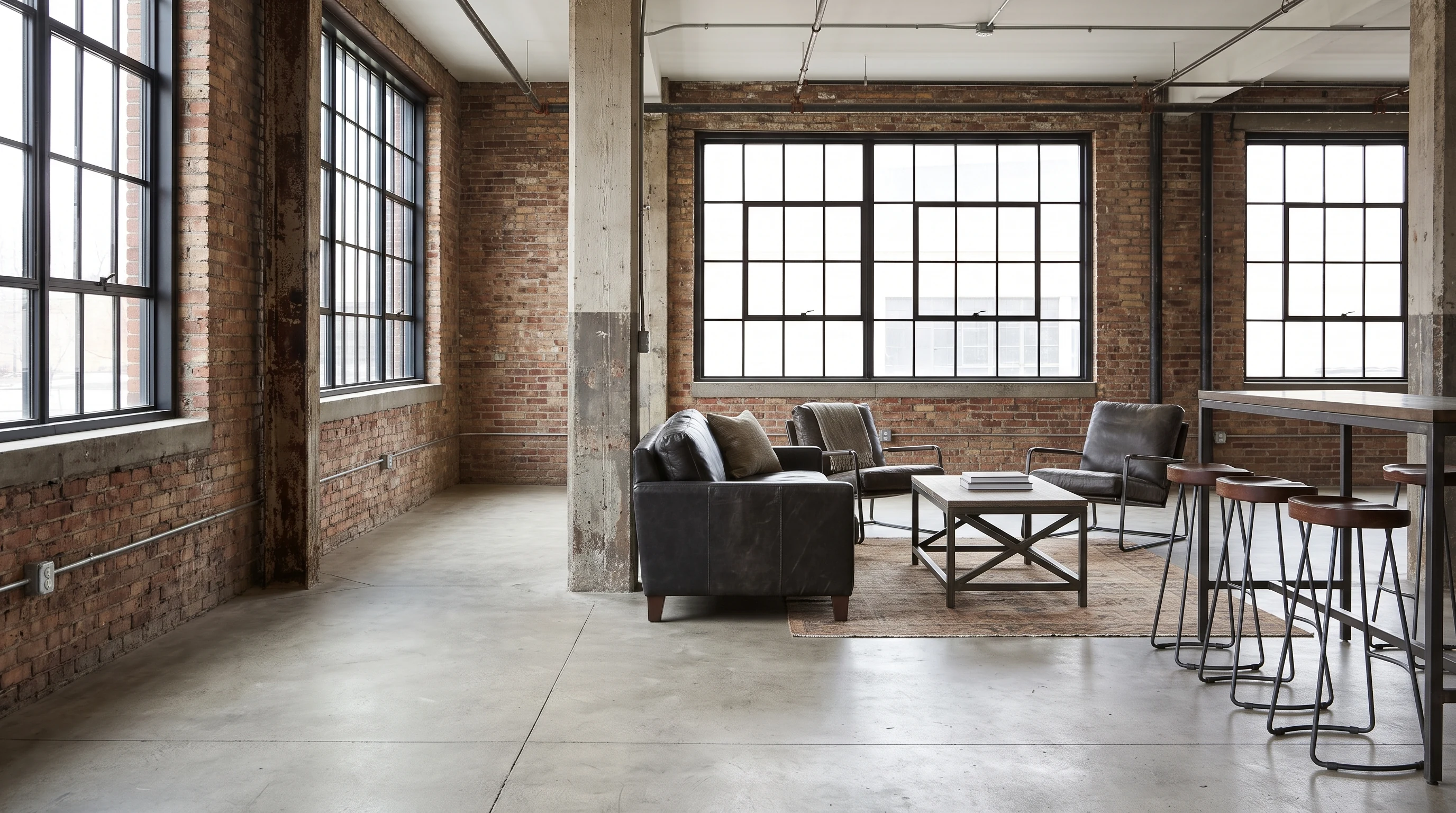
The industrial aesthetic design considerations encompass a unique blend of raw materials, functional forms, and an urban chic style that appeals to modern sensibilities. This design philosophy often draws inspiration from repurposed factories and warehouses, emphasizing a minimalist approach that highlights the beauty of unfinished surfaces and utilitarian objects. Understanding these elements is crucial for anyone looking to incorporate industrial design into their spaces effectively.
Key Elements of Industrial Design
Industrial design is characterized by several defining features that contribute to its distinctive look. One prominent aspect is the use of reclaimed materials, such as wood and metal, which not only add character but also promote sustainability. For instance, according to a study by the American Institute of Architects (AIA), projects utilizing reclaimed materials can reduce carbon footprints by up to 30%. These materials are often combined with other elements like concrete surfaces or exposed beams that enhance the raw aesthetic.
Another key element involves color schemes typically dominated by neutral tones—grays, browns, and blacks—that create a cohesive backdrop for more vibrant accents. The choice of colors plays a significant role in establishing mood; darker shades can evoke sophistication while lighter hues may open up space visually. Additionally, incorporating vintage lighting fixtures further accentuates the industrial theme while providing functional illumination.
Incorporating Industrial Style into Spaces
To successfully integrate industrial style into your environment, consider both functionality and aesthetics. Start with furniture selection; pieces should be versatile yet robust enough to withstand daily use. For example, solid-wood tables paired with metal chairs exemplify this balance between strength and style.
Space planning is another critical factor when adopting this aesthetic. Open floor plans are ideal as they allow for fluid movement between areas while showcasing architectural features like ductwork or brick walls. According to data from the National Kitchen and Bath Association (NKBA), homes designed with open layouts see an increase in perceived square footage by approximately 20%, enhancing both usability and appeal.
Incorporating texture is essential as well; mixing smooth surfaces like glass or polished metal with rough textures such as distressed wood creates visual interest. This interplay not only enriches the overall ambiance but also invites tactile engagement within the space.
Materials That Suit Industrial Aesthetics
Selecting appropriate materials is fundamental when designing within an industrial framework. Metal accents are particularly popular due to their durability and sleek appearance; stainless steel appliances or wrought iron fixtures can serve as focal points in kitchens or living areas alike.
Wood finishes provide warmth against colder metallic elements; reclaimed barn wood offers historical context while contributing organic charm without compromising on modernity. Concrete surfaces have gained traction too—not just for flooring but also countertops—due to their versatility and ease of maintenance.
When evaluating material options for durability, it’s important to consider environmental factors such as humidity levels or exposure to sunlight which might affect longevity over time. Research indicates that high-quality finishes can extend material life spans significantly—upwards of 15 years compared to untreated alternatives —which emphasizes thoughtful selection during initial stages.
Recommendations for Successful Implementation
To achieve optimal results in your industrial design project:
- Prioritize quality over quantity when selecting furnishings.
- Embrace imperfections inherent in reclaimed materials—they tell stories.
- Focus on creating balance through contrasting textures.
- Keep functionality at forefront during layout planning.
- Regularly assess how chosen designs align with evolving needs over time.
By adhering closely to these recommendations rooted in practical application rather than mere aesthetics alone, you will foster environments that resonate authenticity while meeting user expectations efficiently.
Relevant Trade Services
Related Guides in Aesthetic Styles
Relevant Trade Products

Industrial Cross Metal Oatmeal Coffee Table
- Width
- 39.4″
- Depth
- 23.6″
- Height
- 18.1″
To view our trade prices online
Trial our custom options to resize & change finish or upholstery

Industrial Cross Metal Coffee Table
- Width
- 17.7″
- Depth
- 13.8″
- Height
- 20.1″
To view our trade prices online
Trial our custom options to resize & change finish or upholstery
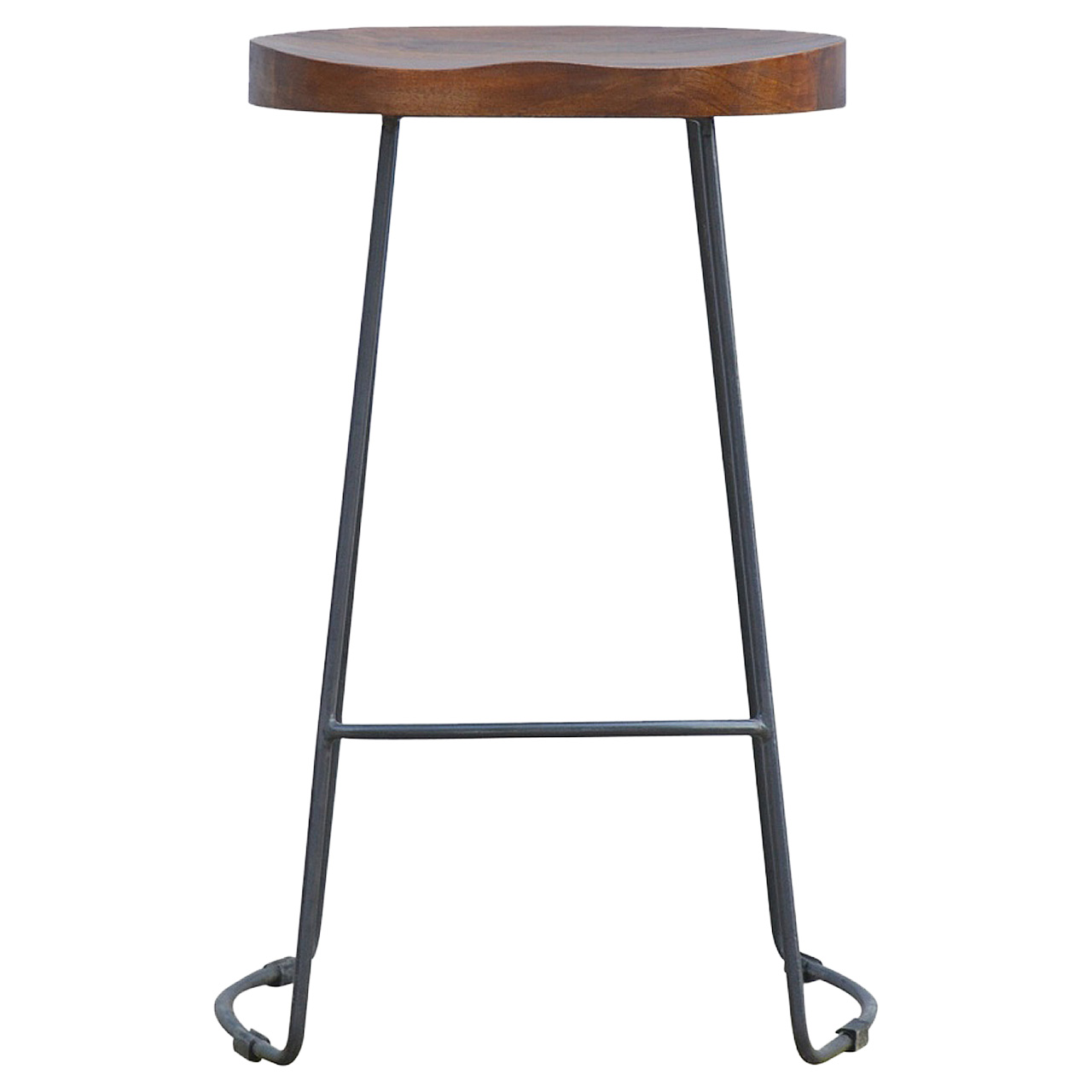
Industrial Chunky Bar Stool
- Width
- 16.5″
- Depth
- 14.2″
- Height
- 28.4″
To view our trade prices online
Trial our custom options to resize & change finish or upholstery

Geo Brass Flip Down Writing Desk
- Width
- 29.5″
- Depth
- 7.9″
- Height
- 18.9″
To view our trade prices online
Trial our custom options to resize & change finish or upholstery

Buffalo Brass Leather Bar Stool
- Width
- 15″
- Depth
- 11″
- Height
- 30.3″
To view our trade prices online
Trial our custom options to resize & change finish or upholstery

Gold Iron Bar Stool
- Width
- 16.9″
- Depth
- 15″
- Height
- 28.7″
To view our trade prices online
Trial our custom options to resize & change finish or upholstery
Trade Consultation
Planning a Hospitality or Commercial Project?
If your project needs solid wood specification support, custom dimensions, or finish samples, request a consultation with our trade team.