

Key Takeaway
guide to selecting technology for collaboration provides insights for improving team dynamics.
Guide to Selecting Technology for Collaboration
Selecting the right technology for collaboration is crucial in enhancing productivity and improving team dynamics. As organizations increasingly rely on digital tools, understanding how to evaluate these technologies becomes essential. This guide will explore key factors influencing the selection of collaboration tools, provide insights into effective evaluation methods, and highlight the best available technologies.
Factors Influencing Selection of Collaboration Technology
When choosing collaboration technology, several critical factors must be considered. These include user needs, integration capabilities, scalability, and cost-effectiveness. User needs should align with team workflows; therefore, it is vital to gather input from all stakeholders involved. For instance, a survey conducted by Gartner revealed that 75% of employees prefer tools that enhance their existing workflows rather than disrupt them.
Integration capabilities are equally important as they determine how well new solutions will fit within your existing technological ecosystem. A seamless integration can reduce friction during adoption and improve overall efficiency. According to a report by McKinsey & Company, teams that use integrated communication platforms experience a 20-25% increase in productivity. Evaluating the scalability of chosen solutions ensures they can grow alongside your organization’s needs without requiring frequent replacements.
Cost-effectiveness also plays a significant role in decision-making processes. Organizations must weigh initial investments against long-term benefits while considering potential hidden costs associated with implementation and training.
Evaluating Collaboration Tools Effectively
To effectively evaluate collaboration tools, organizations should adopt a structured approach that includes defining specific criteria tailored to their unique requirements. Key evaluation criteria may include usability, feature set, support services offered by vendors, and security measures in place.
Usability refers to how intuitive the platform is for users across different skill levels. A tool may have extensive features but could fail if it proves difficult for team members to navigate efficiently. Conducting pilot tests with select groups before full-scale deployment can provide valuable feedback on usability.
The feature set should encompass essential functionalities such as video conferencing capabilities or project management integrations relevant to your team's operations. Additionally, assessing vendor support services ensures you receive adequate assistance during onboarding and ongoing usage.
Security measures cannot be overlooked either; data breaches can severely impact an organization’s reputation and financial stability. According to IBM's Cost of Data Breach Report 2023, companies incur an average cost of $4 million per breach. Therefore evaluating security protocols like encryption standards or two-factor authentication is paramount during the selection process.
Best Technologies for Team Collaboration
Several leading technologies stand out when considering options for enhancing teamwork through effective collaboration software solutions:
- Microsoft Teams: This platform integrates seamlessly with other Microsoft Office applications while offering robust features like chat functionality and file sharing.
- Slack: Known for its user-friendly interface and extensive third-party integrations; Slack excels at fostering real-time communication among teams.
- Zoom: Primarily recognized for video conferencing capabilities but also offers webinar functions suitable for larger audiences.
- Asana: Focused on project management tasks; Asana helps streamline workflow processes through task assignments and deadline tracking.
These platforms cater to varying organizational needs based on size or industry focus—ensuring there are viable options regardless of specific requirements or budget constraints.
Relevant Trade Services
Frequently Asked Questions
Related Guides in Collaborative Environments
Relevant Trade Products

Tile Carved Open Slot Writing Desk
- Width
- 34.7″
- Depth
- 17.7″
- Height
- 31.5″
To view our trade prices online
Trial our custom options to resize & change finish or upholstery

Open Slot Nordic Writing Desk
- Width
- 34.7″
- Depth
- 17.7″
- Height
- 31.5″
To view our trade prices online
Trial our custom options to resize & change finish or upholstery

Gallery Back Shell Writing Desk
- Width
- 39.4″
- Depth
- 17.7″
- Height
- 35.4″
To view our trade prices online
Trial our custom options to resize & change finish or upholstery

Chestnut Multi Drawer Writing Desk
- Width
- 35.4″
- Depth
- 17.7″
- Height
- 35.4″
To view our trade prices online
Trial our custom options to resize & change finish or upholstery
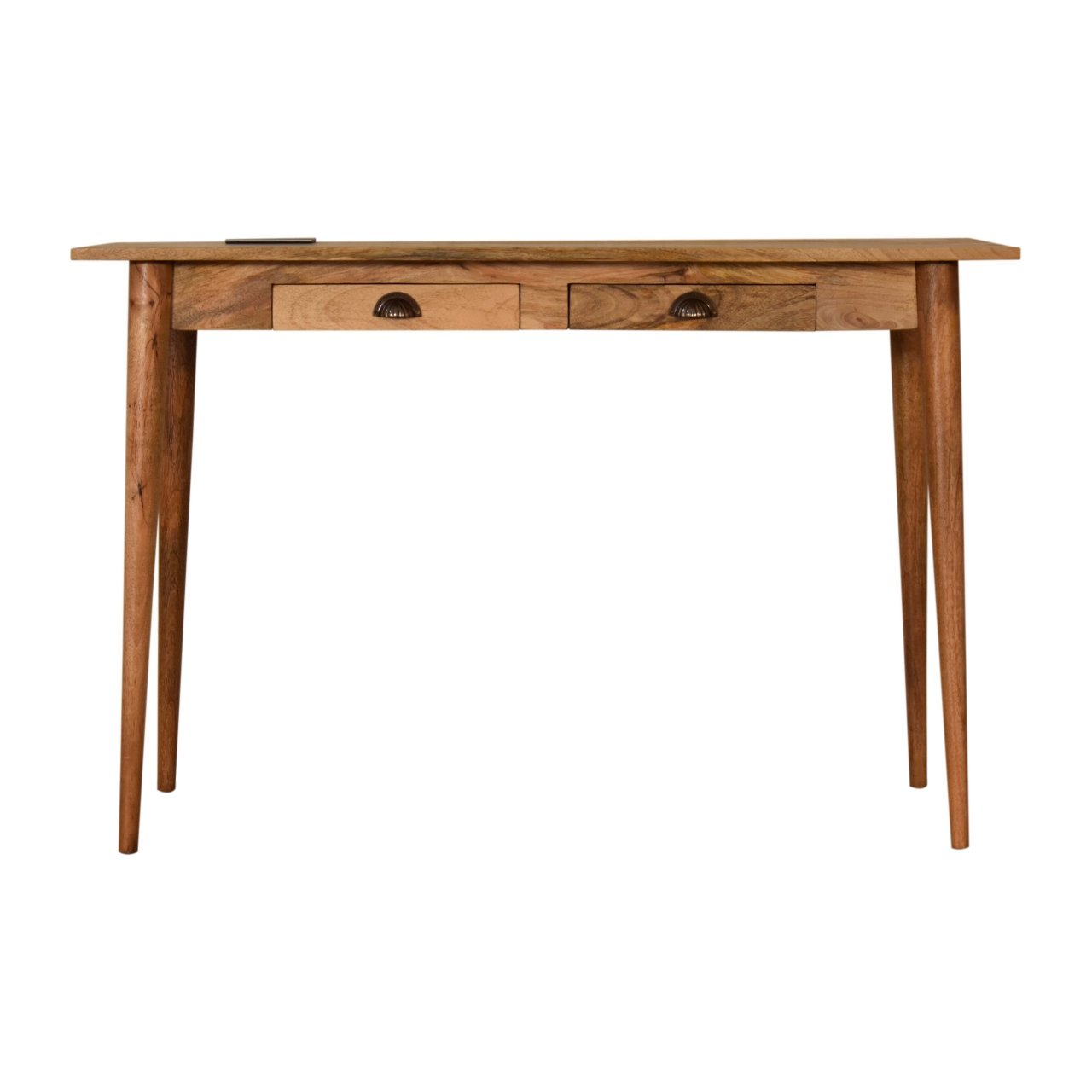
2 Drawer Cable Writing Desk
- Width
- 47.2″
- Depth
- 17.7″
- Height
- 30.7″
To view our trade prices online
Trial our custom options to resize & change finish or upholstery

Gallery Back Cable Writing Desk
- Width
- 39.4″
- Depth
- 17.7″
- Height
- 35.4″
To view our trade prices online
Trial our custom options to resize & change finish or upholstery
Trade Consultation
Planning a Hospitality or Commercial Project?
If your project needs solid wood specification support, custom dimensions, or finish samples, request a consultation with our trade team.