
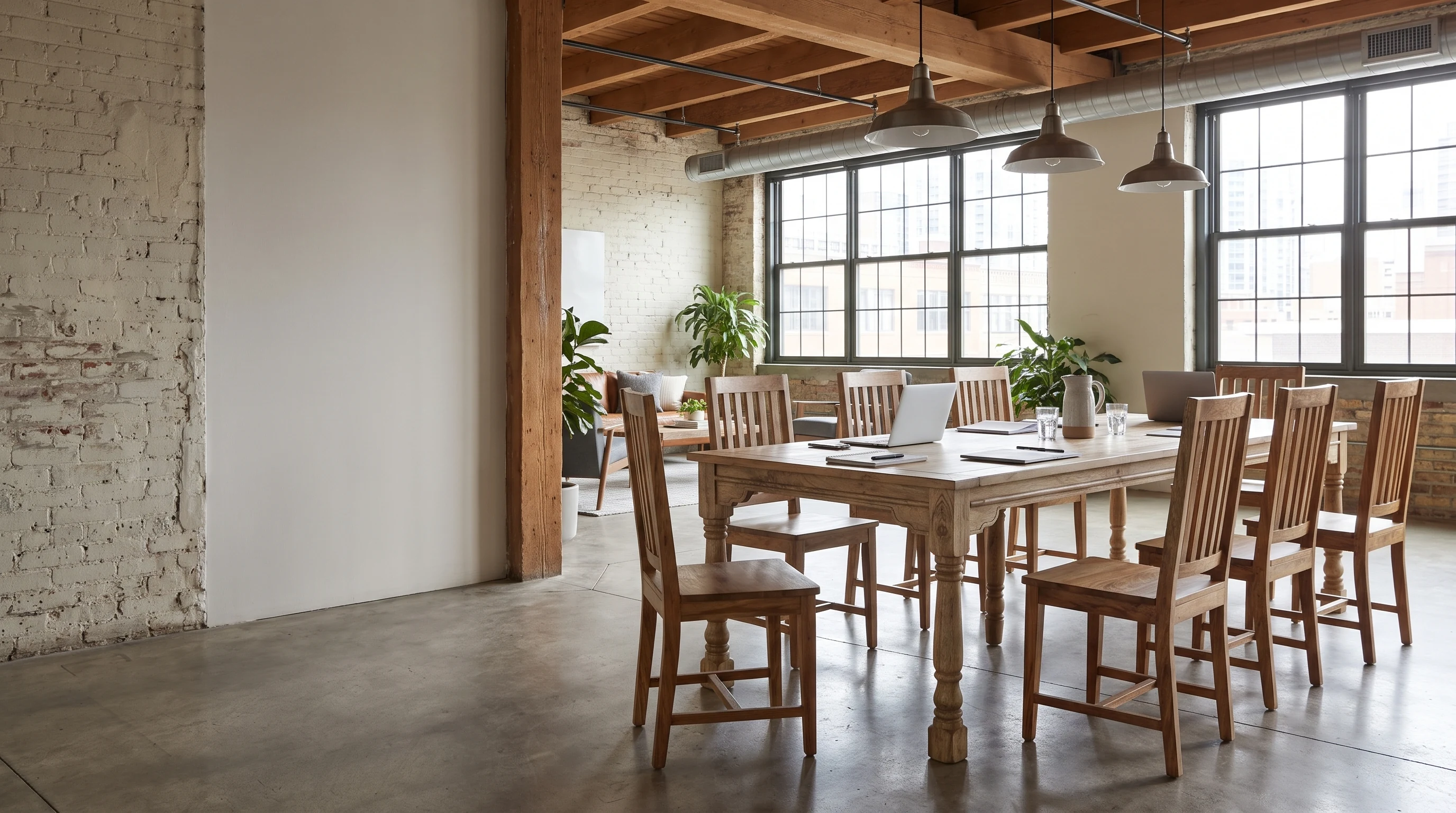
Key Takeaway
comparison of collaborative seating options explores various designs for team collaboration.
Comparison of Collaborative Seating Options
Collaborative seating options play a crucial role in enhancing workspace efficiency and team collaboration. As organizations increasingly prioritize flexible work environments, selecting the right collaborative furniture becomes essential. This report evaluates various types of collaborative seating, focusing on their benefits, materials used, and design considerations to support effective teamwork.
Understanding Collaborative Seating Types
Collaborative seating encompasses a range of furniture designed to facilitate group interaction and communication. Common types include modular sofas, lounge chairs, benches, and communal tables. Each type serves distinct purposes within different workspace configurations.
Modular sofas are particularly versatile; they can be arranged in multiple layouts to accommodate varying group sizes and activities. According to a study by the American Society of Interior Designers (ASID), workplaces that utilize modular furniture report a 30% increase in employee satisfaction related to comfort and functionality. Lounge chairs provide informal settings conducive to brainstorming sessions or casual meetings while maintaining ergonomic support for prolonged use.
Benches offer an efficient way to maximize space while promoting social interaction among teams. They often encourage spontaneous discussions due to their open configuration. Communal tables serve as focal points for collaboration during meetings or project work sessions, allowing easy access for all participants.
Evaluating Benefits of Collaborative Seating
The primary benefit of collaborative seating is its ability to foster communication among team members. Research indicates that organizations with open-plan designs experience up to a 20% improvement in productivity due to enhanced interpersonal interactions. By integrating various seating options into office layouts, companies can create environments that stimulate creativity and innovation.
Another significant advantage is flexibility. Many modern collaborative seating solutions are designed with mobility in mind; they can be easily rearranged according to specific tasks or events throughout the day. This adaptability not only maximizes space utilization but also responds effectively to changing team dynamics or project needs.
Additionally, investing in quality collaborative seating contributes positively toward employee well-being. Ergonomic designs reduce physical strain during long working hours while promoting better posture—critical factors considering that poor ergonomics account for approximately 60% of workplace injuries.
Selecting Materials for Optimal Performance
When choosing collaborative seating options, material selection plays a vital role in durability and aesthetics. Common materials include wood, metal frames, upholstery fabrics like mesh or leatherette, and sustainable alternatives such as recycled plastics or bamboo composites.
Wooden frames offer warmth and classic appeal but require regular maintenance compared to synthetic materials which may provide greater resilience against wear-and-tear from daily use. For instance, BIFMA standards highlight that high-quality upholstery fabrics can withstand over 50 thousand rubs before showing signs of wear.
Sustainable materials are gaining traction as businesses seek environmentally friendly solutions without compromising on style or comfort. These choices not only align with corporate sustainability goals but also resonate with eco-conscious employees who value responsible sourcing practices.
Design Considerations for Effective Collaboration Spaces
Designing spaces with collaborative seating requires careful consideration of layout strategies that promote engagement while ensuring comfort remains paramount. Open floor plans should incorporate designated areas where groups can gather comfortably without disrupting others' workflows.
Acoustic elements must also be integrated into these designs; sound-absorbing panels paired with soft furnishings help minimize noise distractions during discussions—a critical factor since studies show excessive noise levels correlate directly with decreased concentration.
Furthermore, incorporating technology-friendly features such as built-in charging stations enhances usability across diverse tasks—from formal presentations using digital devices to casual brainstorming sessions requiring quick access for note-taking applications.
Relevant Trade Services
Related Guides in Collaborative Environments
Relevant Trade Products
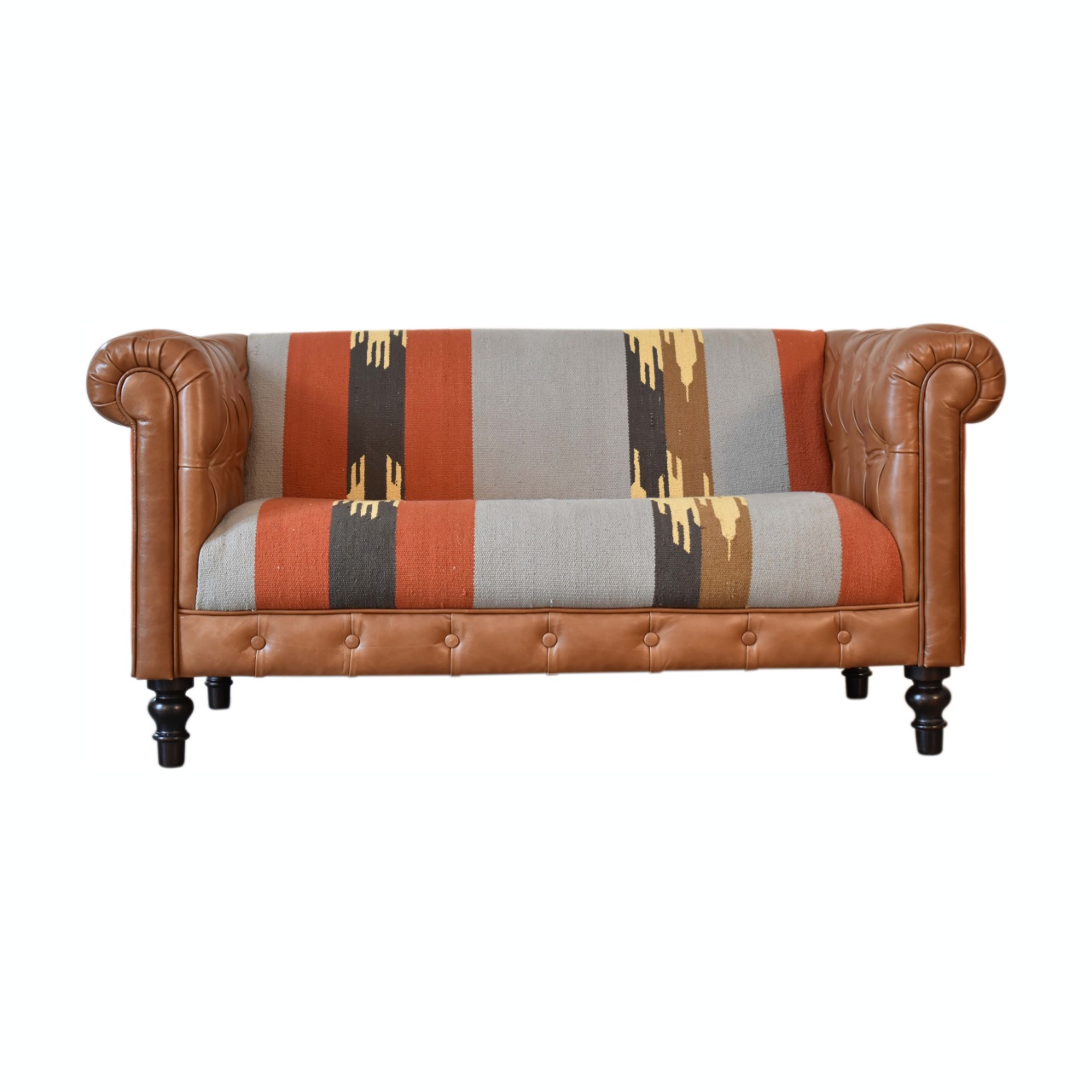
Durrie & Leather Mixed Sofa
- Width
- 59.1″
- Depth
- 31.5″
- Height
- 29.9″
To view our trade prices online
Trial our custom options to resize & change finish or upholstery
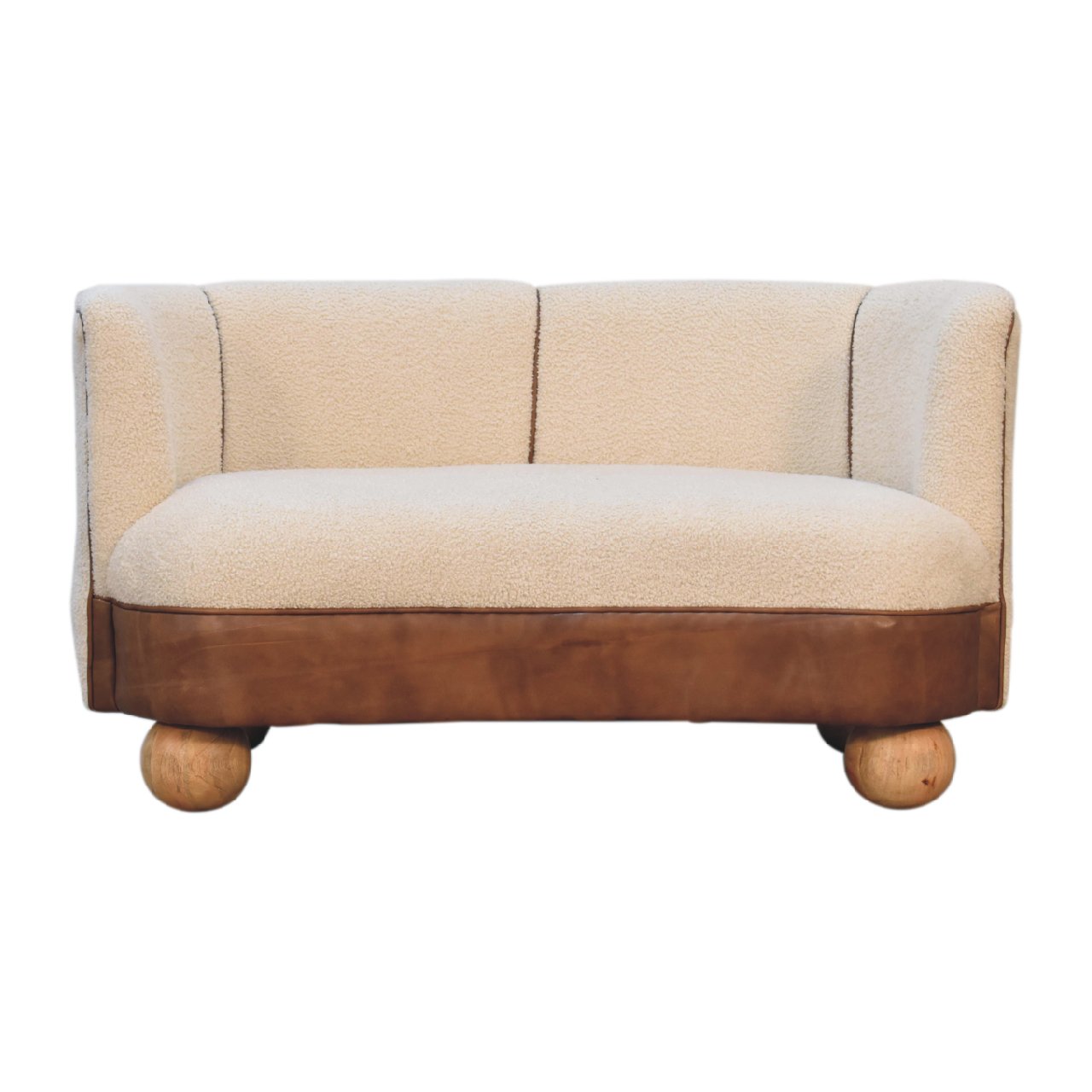
Boucle Cream Buffalo Small Sofa
- Width
- 52″
- Depth
- 25.6″
- Height
- 28.7″
To view our trade prices online
Trial our custom options to resize & change finish or upholstery

Tan Leather Heritage Chaise
- Width
- 41.3″
- Depth
- 18.5″
- Height
- 29.5″
To view our trade prices online
Trial our custom options to resize & change finish or upholstery

Brown Leather Heritage Chaise
- Width
- 41.3″
- Depth
- 18.5″
- Height
- 29.5″
To view our trade prices online
Trial our custom options to resize & change finish or upholstery
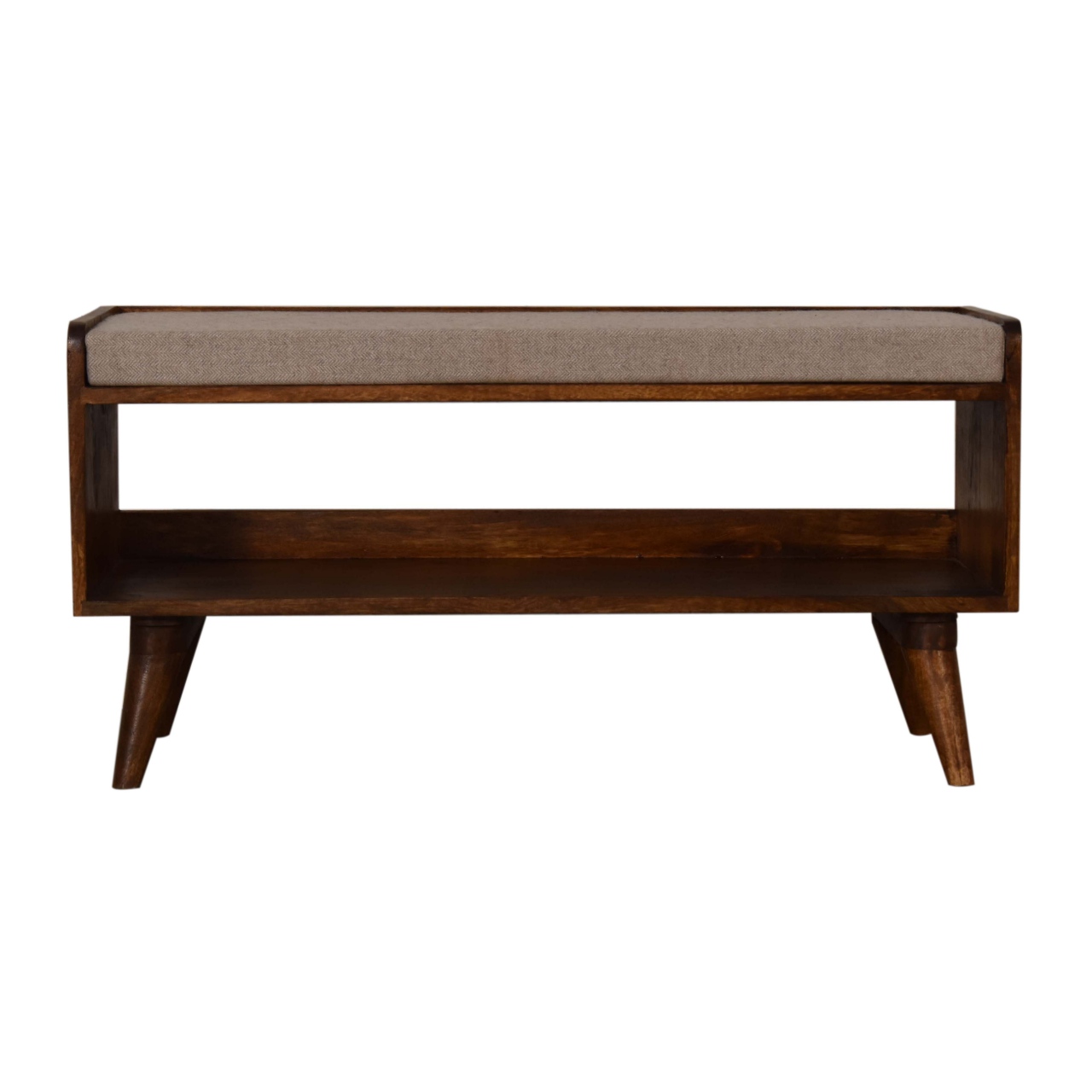
Brown Tweed Seat Pad Bench
- Width
- 35.4″
- Depth
- 13.4″
- Height
- 17.7″
To view our trade prices online
Trial our custom options to resize & change finish or upholstery
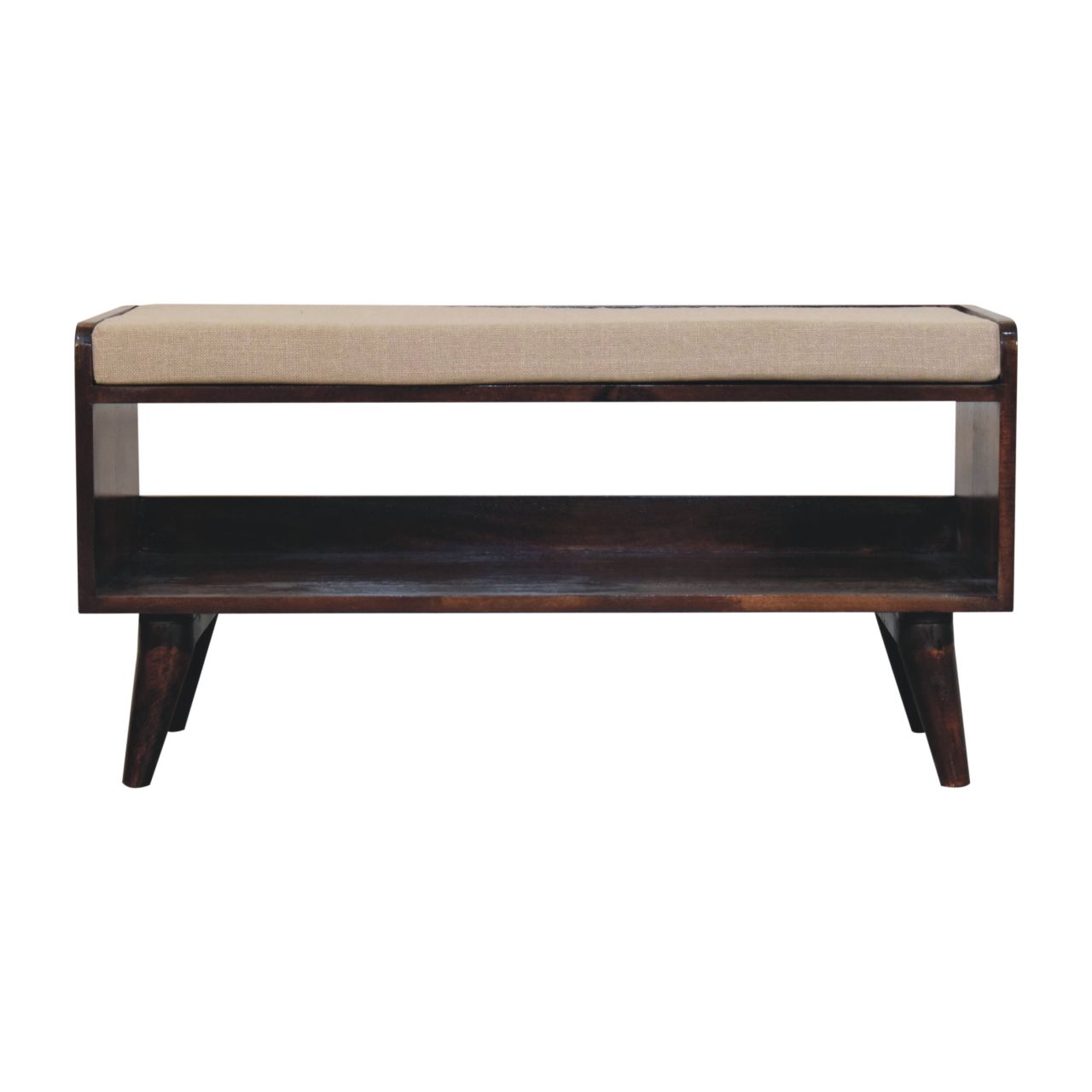
California Walnut bench with mud linen seat pad
- Width
- 35.4″
- Depth
- 13.4″
- Height
- 17.7″
To view our trade prices online
Trial our custom options to resize & change finish or upholstery
Trade Consultation
Planning a Hospitality or Commercial Project?
If your project needs solid wood specification support, custom dimensions, or finish samples, request a consultation with our trade team.