
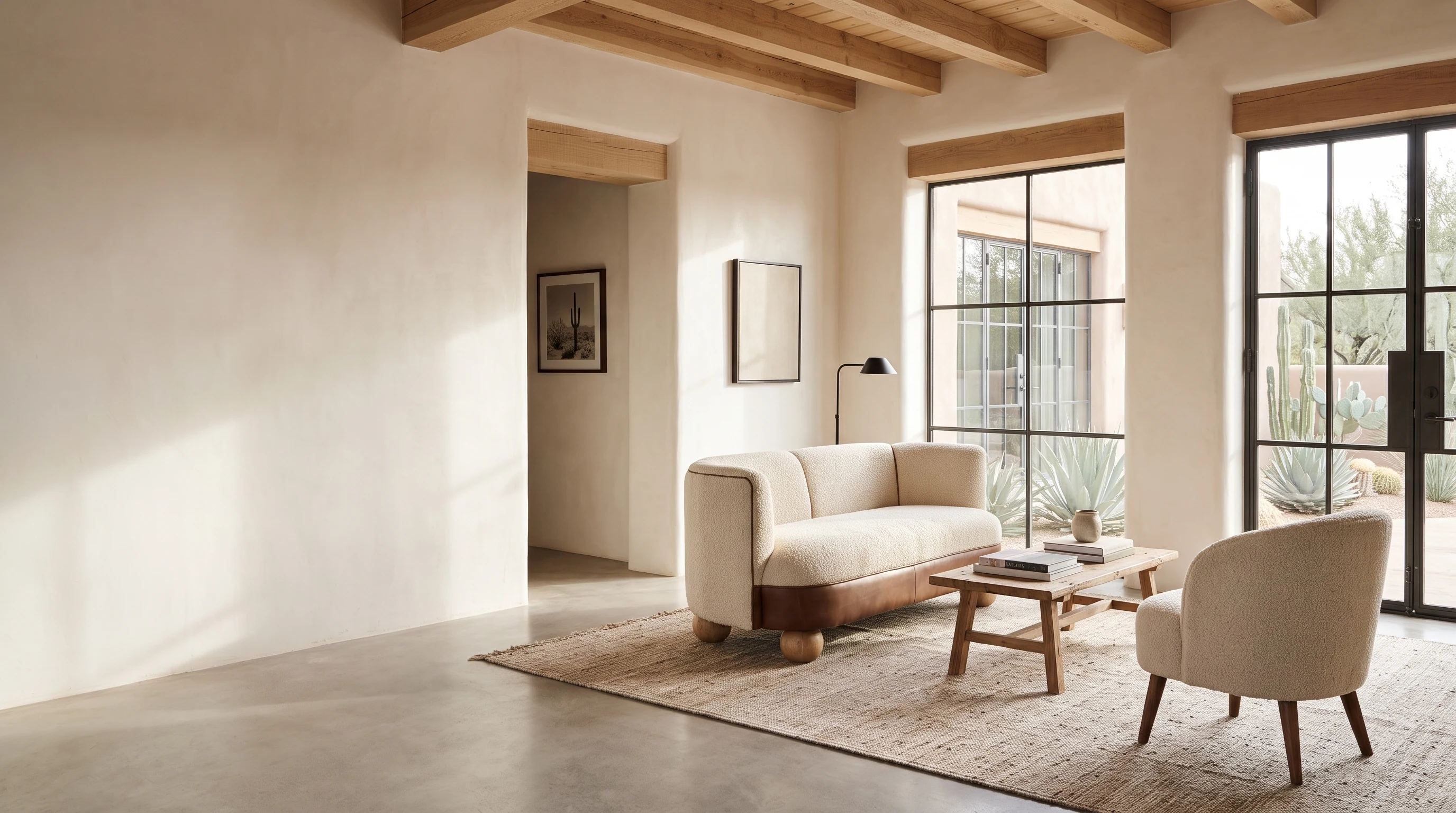
Key Takeaway
troubleshooting common upholstery issues helps maintain quality and aesthetics in furniture.
Troubleshooting Common Upholstery Issues
Upholstery plays a crucial role in the aesthetics and comfort of furniture. However, it is not immune to various challenges that can affect its appearance and functionality. Understanding how to troubleshoot common upholstery issues is essential for maintaining the quality and longevity of your furniture. This report will explore typical problems encountered with upholstery, effective cleaning techniques, maintenance tips, and when to consider professional repair or replacement.
Common Upholstery Problems
Upholstery can face numerous challenges over time, including stains, fraying seams, fading colors, and sagging cushions. Each issue requires different approaches for resolution. For instance, according to a survey by the American Furniture Manufacturers Association (AFMA), approximately 70% of consumers reported experiencing some form of upholstery damage within five years of purchase. Stains are particularly prevalent due to spills from food or drinks; they can be difficult to remove if not addressed promptly.
Fading colors often result from prolonged exposure to sunlight or harsh cleaning agents. The fabric type significantly influences durability against fading—synthetic fibers tend to resist color loss better than natural fibers like cotton or linen. Additionally, sagging cushions may indicate wear on the foam padding or structural issues within the furniture frame itself.
Effective Cleaning Techniques
Cleaning upholstery effectively involves understanding both the fabric type and appropriate cleaning methods. Different fabrics require specific care techniques; for example, leather needs conditioning treatments while synthetic materials might tolerate steam cleaning without damage. A study by Fabric Care Research indicates that using water-based cleaners on synthetic textiles leads to a 40% improvement in stain removal compared to traditional solvents.
To address stains effectively:
- Act Quickly: Blot spills immediately with a clean cloth.
- Test Cleaners: Always test any cleaner on an inconspicuous area first.
- Use Appropriate Solutions: For grease stains, dish soap mixed with warm water works well; for ink stains, rubbing alcohol may be more effective.
Regular vacuuming also helps prevent dirt accumulation which can lead to premature wear.
Maintenance Tips for Longevity
Maintaining your upholstery extends its life significantly and enhances overall appearance. Regular inspections are vital; check seams for fraying threads or loose stitching every few months as these minor issues can escalate into major repairs if left unattended.
Additionally:
- Rotate cushions regularly to ensure even wear.
- Use protective sprays designed specifically for your fabric type; these products create barriers against spills and dirt.
- Keep upholstered items away from direct sunlight whenever possible—using curtains or shades can mitigate fading effects caused by UV rays.
According to industry standards set forth by the Upholstery Association, regular maintenance practices increase furniture lifespan by up to 30%.
When To Replace Upholstery
Knowing when it’s time for replacement rather than repair is crucial in managing costs effectively while ensuring aesthetic appeal remains intact. Signs indicating that replacement may be necessary include extensive tears beyond simple patching capabilities or severe discoloration that no longer matches existing decor styles.
Moreover:
- Evaluate cushion support: If you find yourself sinking too deeply into seats consistently despite fluffing them regularly, this suggests significant degradation of internal components.
- Consider overall cost-effectiveness: If repair estimates exceed 50% of replacing upholstered pieces entirely based on current market prices—consider opting for new furnishings instead.
In summary, addressing common upholstery problems through effective cleaning techniques and proactive maintenance strategies will enhance both durability and visual appeal over time while knowing when replacements are warranted ensures wise investment decisions regarding furniture upkeep.
Relevant Trade Services
Frequently Asked Questions
Related Guides in Upholstery Materials
Trade Consultation
Planning a Hospitality or Commercial Project?
If your project needs solid wood specification support, custom dimensions, or finish samples, request a consultation with our trade team.