
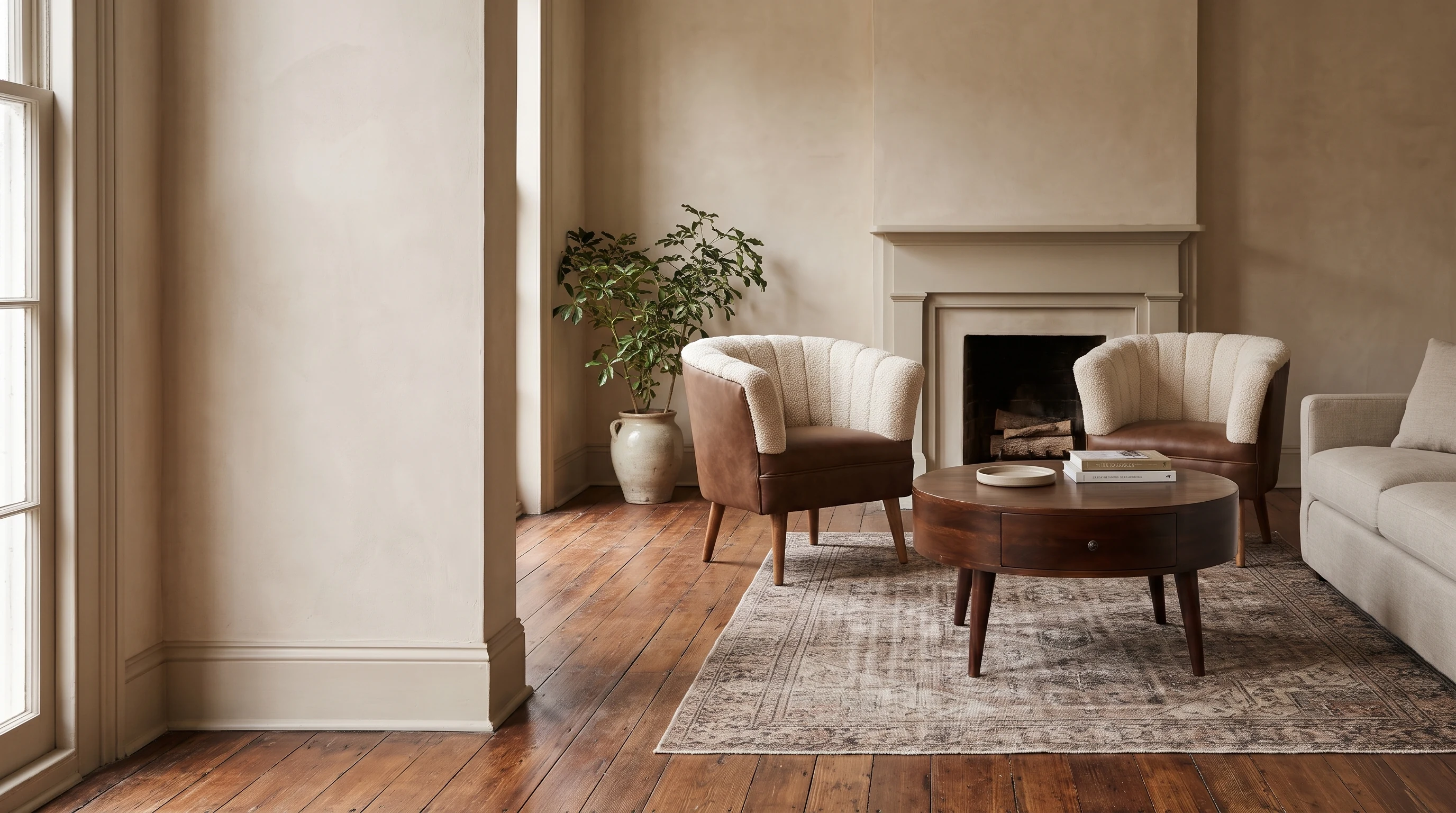
Key Takeaway
accent piece placement tips for optimal design help create inviting and functional environments.
Accent Piece Placement Tips for Optimal Design
Effective accent piece placement is crucial for achieving a well-designed interior space. By strategically arranging these elements, you can enhance the overall aesthetic and functionality of your environment. This report explores key strategies for placing accent pieces in various settings, providing insights that cater to both residential and commercial spaces.
Furniture Styling: The Role of Accent Pieces
Accent pieces serve as focal points within a room, contributing to its visual narrative. These items include decorative pillows, side tables, wall art, and rugs. When chosen thoughtfully, they can introduce color, texture, and personality into an otherwise neutral palette. According to a study by the American Society of Interior Designers (ASID), 74% of homeowners believe that decor significantly impacts their mood and productivity levels.
The selection process begins with understanding the existing design elements within your space. Consider factors such as color schemes and furniture styles when choosing accent pieces. For instance, if your primary furniture features warm wood tones, opt for complementary colors in your accents to create harmony throughout the room.
Space Optimization: Arranging Your Accents
Proper arrangement of accent pieces can dramatically improve spatial dynamics. Start by assessing the flow of movement within the area; ensure that pathways remain unobstructed while allowing each piece to be appreciated from various angles. A well-placed rug can define areas within larger rooms or open floor plans without enclosing them completely.
Utilizing groupings is another effective strategy for optimizing space with accent pieces. Grouping similar items together creates visual interest while maintaining cohesion—this could involve clustering decorative pillows on a sofa or arranging multiple wall art pieces at eye level across a gallery wall. Research indicates that grouping items in odd numbers tends to be more visually appealing than even-numbered arrangements.
Color Coordination: Enhancing Visual Balance
Color coordination plays a pivotal role in creating inviting interiors through strategic use of accent pieces. Selecting colors that resonate with one another fosters unity across different design elements within a room or entire home environment. For example, if your main color scheme consists of blues and greens, incorporating accents in varying shades or complementary hues will elevate visual appeal.
Consider employing tools such as color wheels to identify harmonious combinations effectively; this method allows you to visualize how different colors interact before making final selections for your decor items. Additionally, introducing metallics or natural textures through selected accents can further enrich the sensory experience without overwhelming existing designs.
Relevant Trade Services
Related Guides in Accent Pieces
Trade Consultation
Planning a Hospitality or Commercial Project?
If your project needs solid wood specification support, custom dimensions, or finish samples, request a consultation with our trade team.