
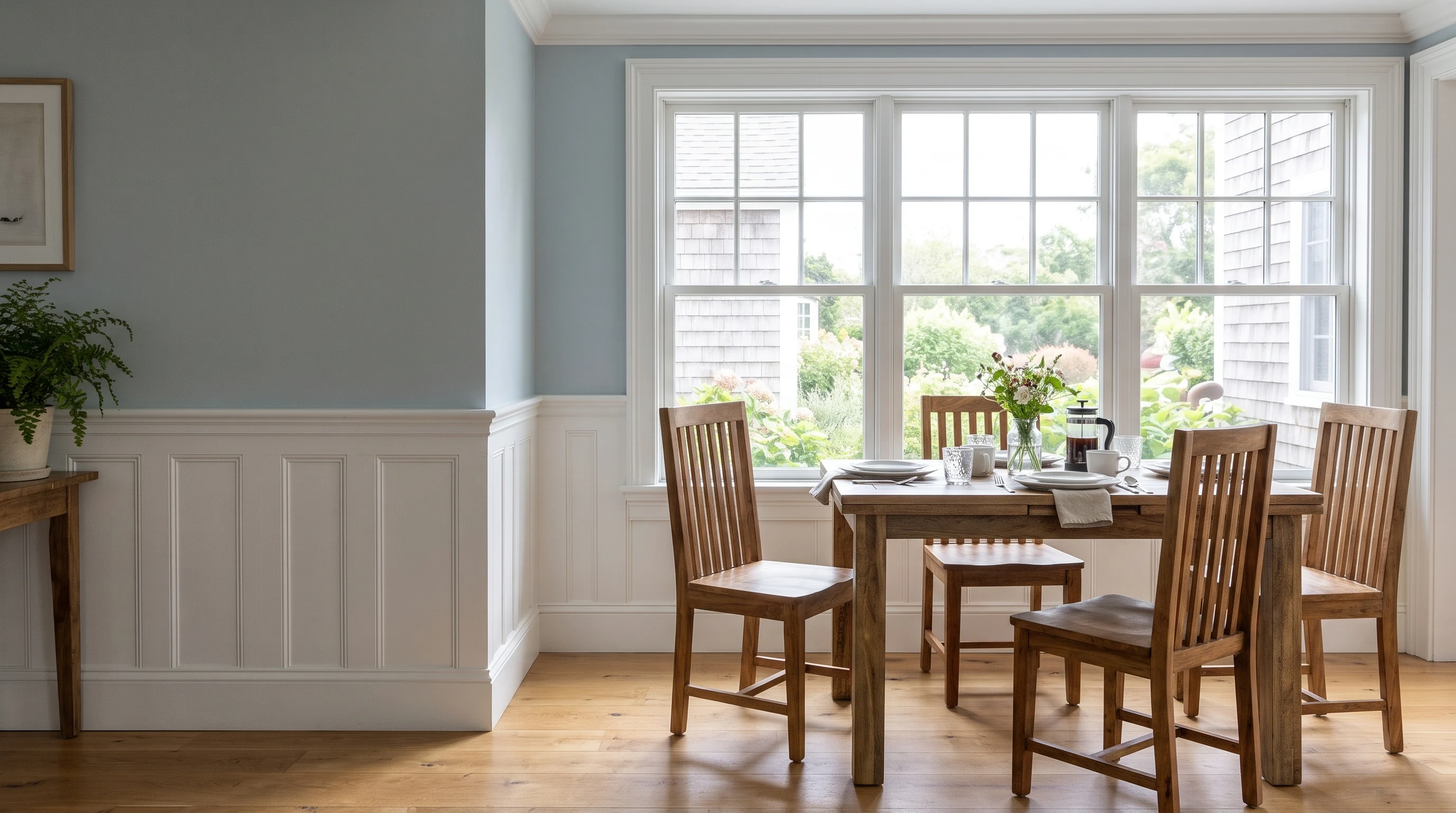
Key Takeaway
factors influencing the durability of hospitality tables are critical for long-term investment decisions.
Factors Influencing the Durability of Hospitality Tables
Understanding the factors influencing the durability of hospitality tables is essential for ensuring long-term performance and satisfaction in commercial environments. The choice of materials, maintenance practices, design considerations, and environmental impacts all play critical roles in determining how well a table withstands daily use and wear. This report delves into these aspects to provide actionable insights for stakeholders involved in FF&E procurement.
Table Material Types
The selection of materials significantly affects the longevity and durability of hospitality tables. Solid wood is often favored for its robustness; studies indicate that solid wood furniture can last over 20 years with proper care. In contrast, particleboard or MDF (medium-density fiberboard) may offer lower initial costs but typically have a lifespan ranging from 5 to 10 years due to susceptibility to moisture damage and structural weakness.
Another material gaining traction is high-pressure laminate (HPL), which provides excellent resistance to scratches and stains while being easy to clean. HPL surfaces can endure heavy usage without significant degradation, making them suitable for busy dining establishments. When selecting materials, it is crucial to consider not only aesthetic preferences but also functional requirements based on expected usage patterns.
Maintenance Practices
Regular maintenance plays an integral role in extending the life of hospitality tables. Routine cleaning with appropriate products prevents buildup that can lead to surface damage or deterioration. For instance, using pH-neutral cleaners helps preserve finishes without causing harm. Additionally, periodic inspections for signs of wear—such as loose joints or damaged edges—allow for timely repairs that can prevent more extensive issues down the line.
Furthermore, applying protective coatings or sealants can enhance surface longevity by providing an additional layer against spills and scratches. Research shows that tables maintained under optimal conditions exhibit up to 30% longer lifespans compared to those subjected to neglect. Establishing a clear maintenance schedule tailored to specific materials will yield substantial returns on investment over time.
Design Considerations
Design integrity directly influences table strength and usability in hospitality settings. Features such as reinforced joints and sturdy legs contribute significantly to overall stability; tables designed with cross-bracing or metal supports tend to resist wobbling under heavy loads better than their counterparts lacking such features. Moreover, ergonomic considerations ensure user comfort while minimizing stress on structural components during everyday use.
Aesthetic appeal should not overshadow functionality; however, designs that incorporate both elements are likely more successful in commercial applications. For example, modular designs allow flexibility in arrangement while maintaining structural integrity across various configurations—a vital consideration for venues hosting diverse events.
Environmental Impacts
Environmental factors also affect table durability through exposure conditions unique to each setting. High humidity levels can warp wooden components if they are not adequately treated or sealed against moisture intrusion. Conversely, extreme dryness may cause cracking if wood lacks sufficient hydration properties.
Additionally, UV exposure from sunlight can fade finishes over time unless UV-resistant coatings are applied during manufacturing processes. Understanding these environmental impacts enables decision-makers in FF&E procurement roles to select appropriate solutions tailored specifically for their operational contexts.
Relevant Trade Services
Related Guides in Table Designs
Relevant Trade Products

Granary Extension Dining Table
- Width
- 65″
- Depth
- 35.4″
- Height
- 29.9″
To view our trade prices online
Trial our custom options to resize & change finish or upholstery

Chantilly Dining Table
- Width
- 70.9″
- Depth
- 35.4″
- Height
- 29.9″
To view our trade prices online
Trial our custom options to resize & change finish or upholstery
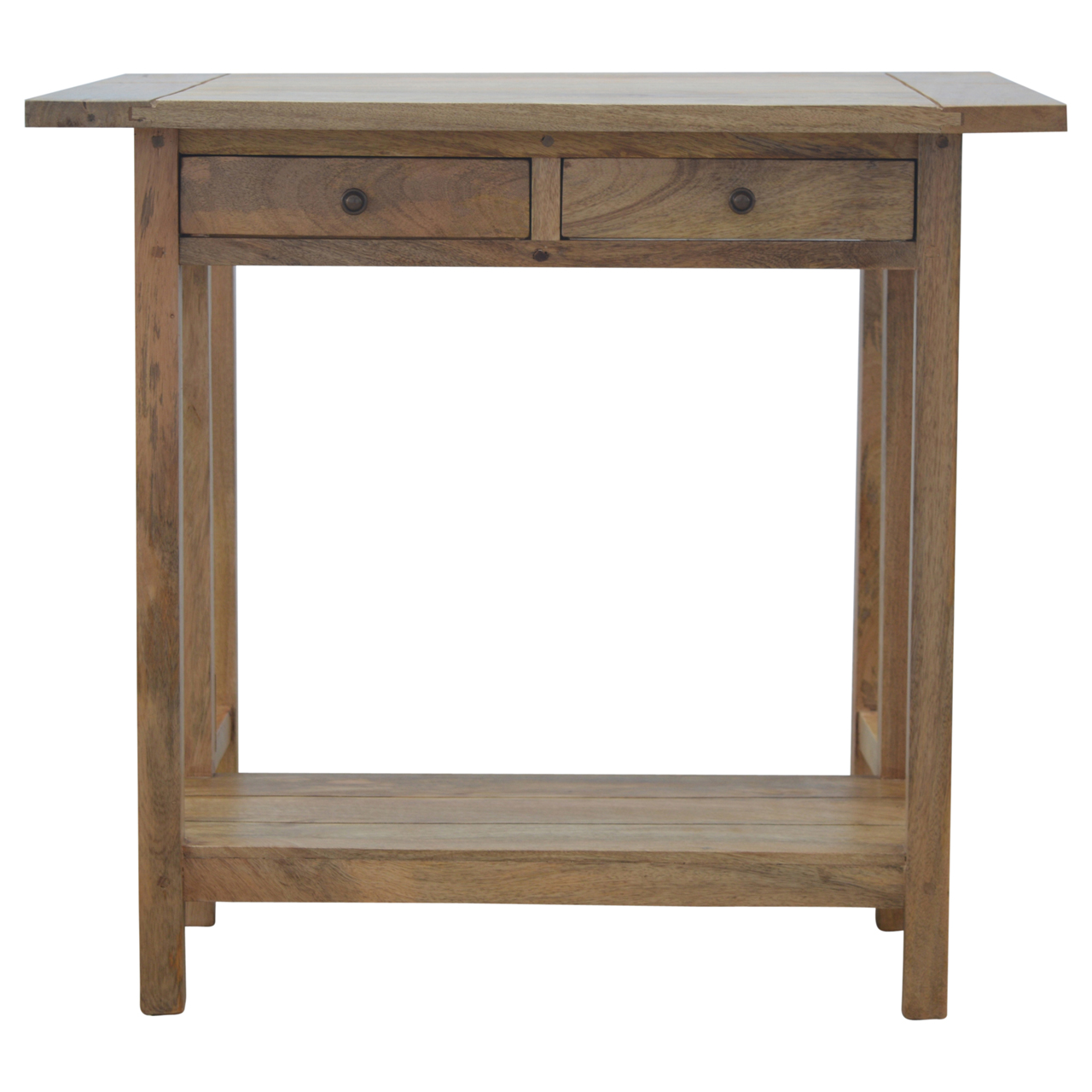
Breakfast Table With 2 Stools
- Width
- 35.4″
- Depth
- 18.5″
- Height
- 31.5″
To view our trade prices online
Trial our custom options to resize & change finish or upholstery
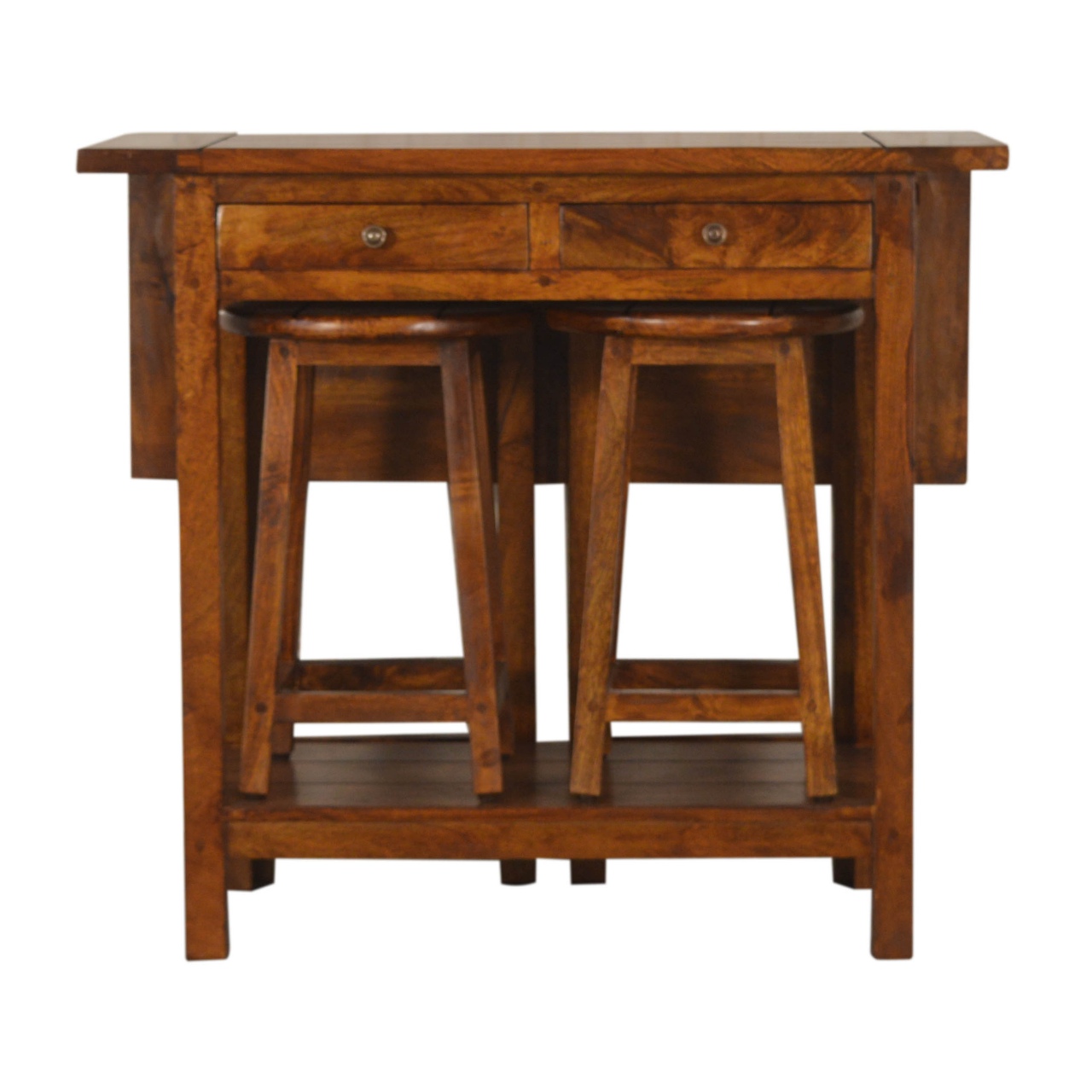
Chestnut Breakfast Table
- Width
- 35.4″
- Depth
- 18.5″
- Height
- 31.5″
To view our trade prices online
Trial our custom options to resize & change finish or upholstery

Chestnut Dining Table
- Width
- 59.1″
- Depth
- 35.4″
- Height
- 29.9″
To view our trade prices online
Trial our custom options to resize & change finish or upholstery
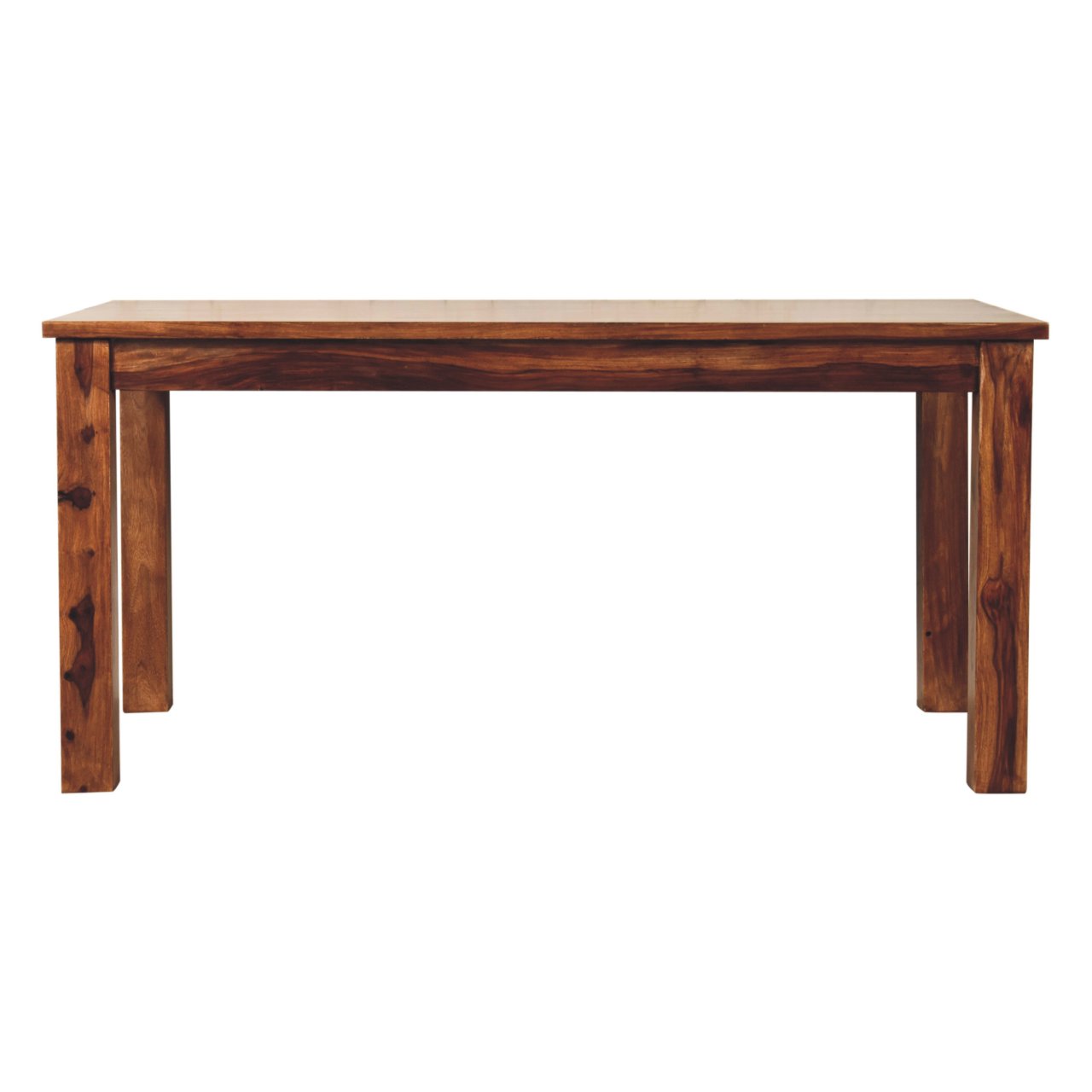
Tula Dining Table
- Width
- 63″
- Depth
- 35.4″
- Height
- 29.9″
To view our trade prices online
Trial our custom options to resize & change finish or upholstery
Trade Consultation
Planning a Hospitality or Commercial Project?
If your project needs solid wood specification support, custom dimensions, or finish samples, request a consultation with our trade team.