
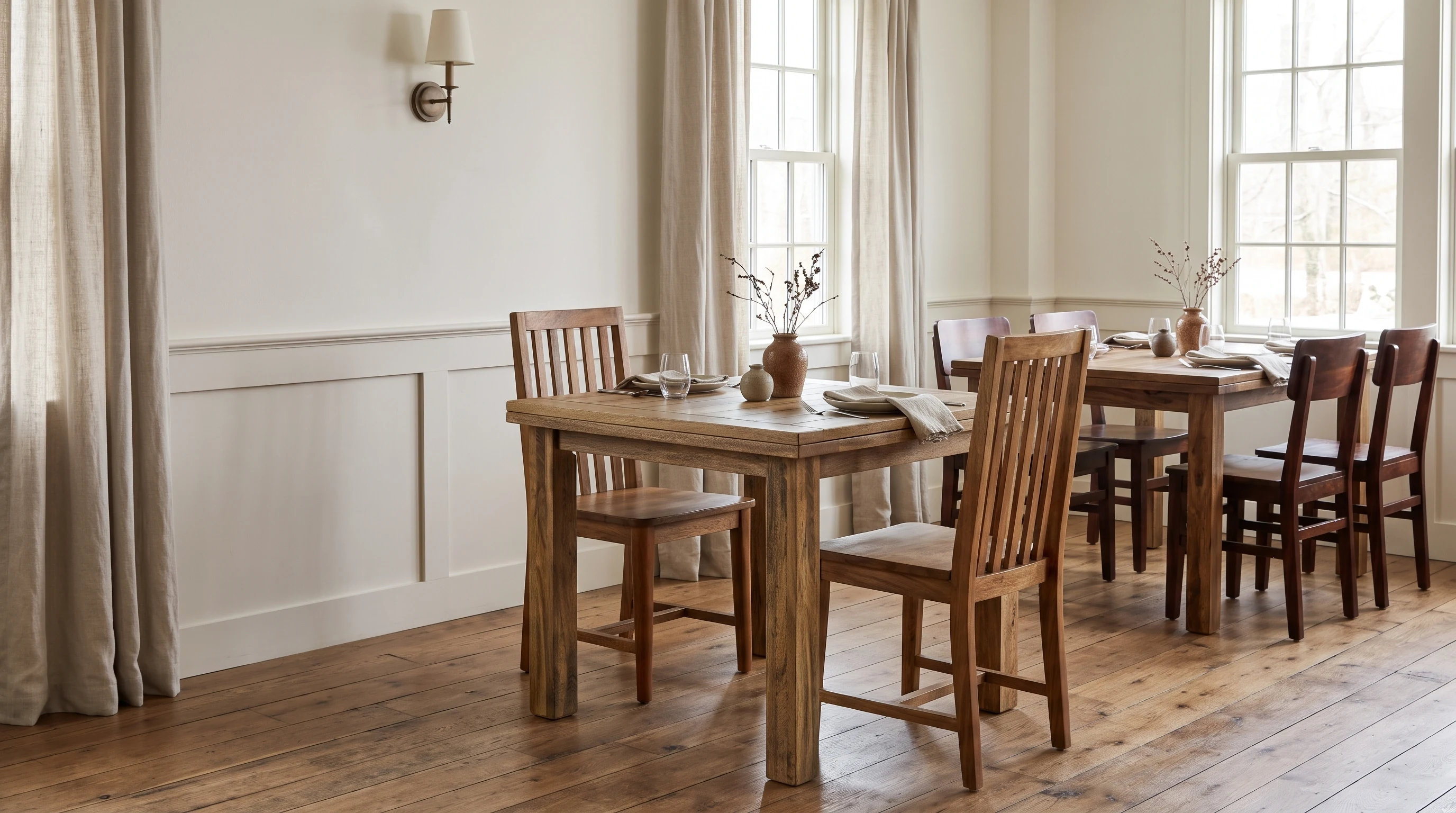
Key Takeaway
best materials for commercial seating enhance aesthetics and functionality in hospitality environments.
Best Materials for Commercial Seating
Selecting the best materials for commercial seating is crucial in creating functional, durable, and aesthetically pleasing environments. The choice of upholstery impacts not only the longevity of furniture but also the comfort and satisfaction of users. This report explores key factors influencing material selection, including durability, maintenance requirements, and design considerations.
Evaluating Material Types for Durability
Durability is a primary concern when choosing materials for commercial seating. High-traffic areas require fabrics that can withstand wear and tear while maintaining their appearance over time. For instance, synthetic fibers such as polyester or nylon are often preferred due to their resistance to stains and fading. According to ASTM International standards, these materials can endure up to 50,000 double rubs on abrasion tests, indicating they are suitable for heavy use environments.
Natural fibers like cotton or wool offer comfort but may not provide the same level of durability as synthetics. While they can be treated with stain-resistant finishes to enhance performance, their inherent properties make them less ideal for high-use settings where frequent cleaning and maintenance are necessary.
Factors Affecting Seating Durability
Several factors influence the overall durability of seating materials beyond fiber type. The construction quality plays a significant role; well-constructed seams and reinforced stitching contribute to longer-lasting furniture. Additionally, foam padding used in conjunction with fabric covers affects both comfort and durability. High-density foam typically offers better support and resists sagging over time compared to lower-density options.
Environmental conditions also impact material longevity. For example, exposure to sunlight can cause certain fabrics to fade more quickly than others. Selecting UV-resistant textiles is advisable in spaces with ample natural light exposure.
Choosing Upholstery Materials: Comfort vs Aesthetics
When selecting upholstery materials for commercial seating, balancing comfort with aesthetics is essential. Fabrics must not only feel good against the skin but also align with the overall design vision of a space. Popular choices include leather alternatives made from polyurethane (PU) or polyvinyl chloride (PVC), which mimic leather's look while being easier to clean.
Colorfastness is another critical aspect; it determines how well a fabric retains its color after prolonged exposure to light or cleaning agents. Fabrics rated at least 4 on the grey scale indicate good colorfastness. Therefore, understanding both aesthetic preferences and practical requirements will guide effective material selection.
Maintenance Tips for Commercial Seating
Maintaining commercial seating extends its lifespan significantly while ensuring it remains visually appealing over time. Regular cleaning schedules should incorporate appropriate methods based on material types—vacuuming upholstered surfaces weekly prevents dirt accumulation that could lead to premature wear.
For synthetic fabrics like vinyl or faux leather, using mild soap solutions works effectively without damaging finishes; however, avoid harsh chemicals that could degrade these surfaces over time. Natural fibers may require specialized cleaning products designed specifically for those materials; consulting manufacturer guidelines ensures compliance with care recommendations.
Relevant Trade Services
Frequently Asked Questions
Related Guides in Seating Solutions
Relevant Trade Products
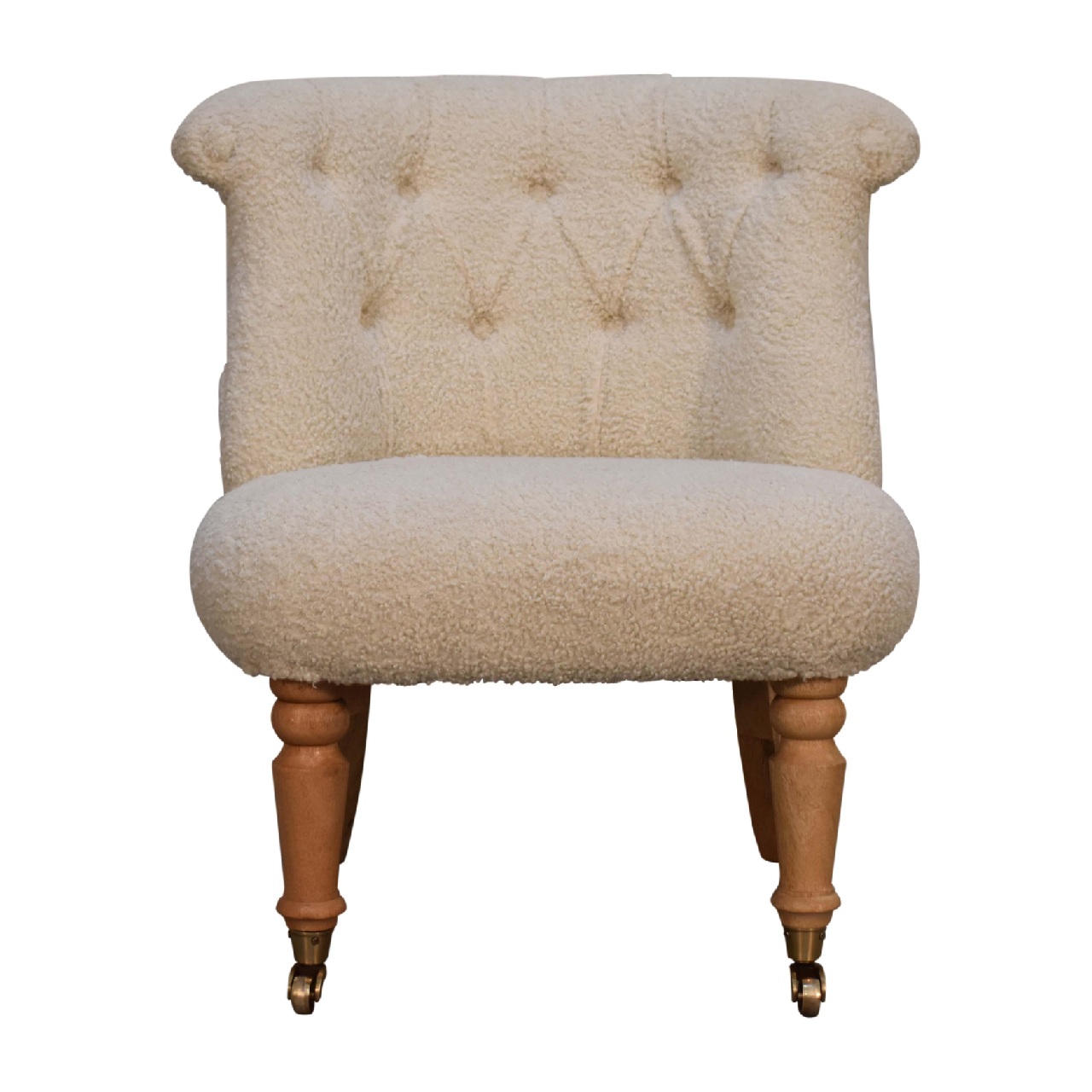
Boucle Cream Accent Chair
- Width
- 26.4″
- Depth
- 23.6″
- Height
- 29.1″
To view our trade prices online
Trial our custom options to resize & change finish or upholstery

Cream Boucle Solid Wood Chair
- Width
- 19.7″
- Depth
- 17.7″
- Height
- 24.4″
To view our trade prices online
Trial our custom options to resize & change finish or upholstery

Cream Boucle Tub Chair
- Width
- 22.1″
- Depth
- 20.5″
- Height
- 29.9″
To view our trade prices online
Trial our custom options to resize & change finish or upholstery

White Boucle Occasional Chair
- Width
- 22.1″
- Depth
- 20.5″
- Height
- 29.1″
To view our trade prices online
Trial our custom options to resize & change finish or upholstery
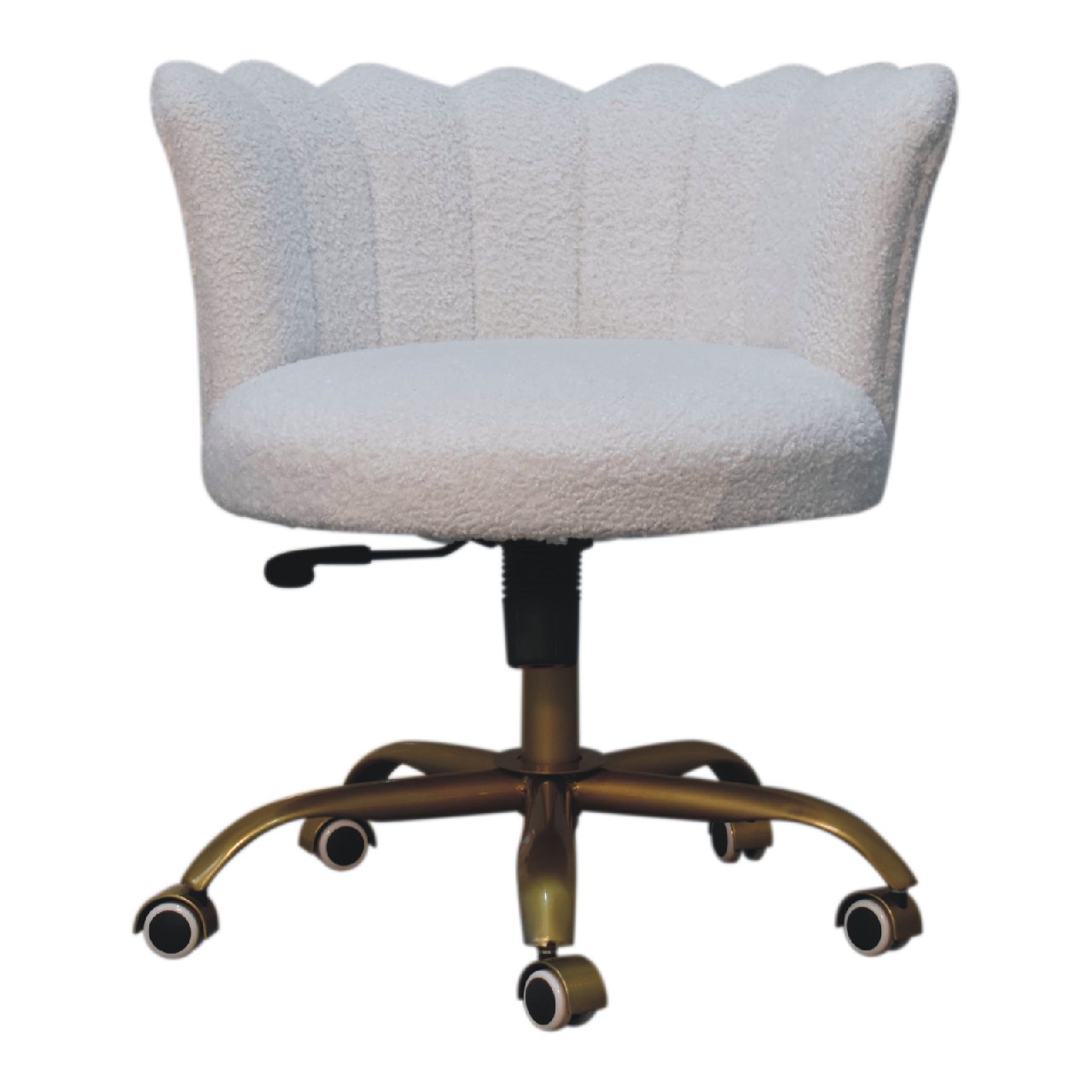
White Boucle Swivel Chair
- Width
- 26.8″
- Depth
- 22.8″
- Height
- 29.5″
To view our trade prices online
Trial our custom options to resize & change finish or upholstery

Olive Buffalo Leather Chair
- Width
- 24.4″
- Depth
- 26″
- Height
- 33.9″
To view our trade prices online
Trial our custom options to resize & change finish or upholstery
Trade Consultation
Planning a Hospitality or Commercial Project?
If your project needs solid wood specification support, custom dimensions, or finish samples, request a consultation with our trade team.