
Key Takeaway
evaluating comfort in lounge seating requires understanding user preferences and material choices for effective design.
Evaluating Comfort in Lounge Seating
Assessing comfort in lounge seating is essential for creating inviting and functional spaces, particularly within hospitality environments. The evaluation process involves multiple factors, including ergonomic design, material quality, and user preferences. By understanding these elements, you can make informed decisions that enhance guest experiences while ensuring compliance with industry standards.
Understanding Ergonomics in Lounge Seating
Ergonomics plays a critical role in determining the comfort of lounge chairs. This discipline focuses on designing furniture that supports the human body effectively. Key ergonomic features include seat height, depth, backrest angle, and lumbar support. According to ANSI/BIFMA standards, an optimal seat height typically ranges from 16 to 18 inches off the ground for most adults (Source: BIFMA). This range accommodates a variety of users while promoting proper posture.
To assess lounge chair ergonomics accurately, consider how each feature interacts with user needs. For instance, a chair with adjustable armrests allows individuals to customize their seating position for maximum comfort. Additionally, back support should align with the natural curvature of the spine to prevent discomfort during prolonged use. Research indicates that well-designed ergonomic seating can reduce fatigue by up to 25% over extended periods (Source: Human Factors Journal).
Material Quality and Its Impact on Comfort
The materials used in lounge seating significantly influence both durability and comfort levels. Upholstery choices such as leather or high-quality fabric contribute not only to aesthetic appeal but also affect tactile sensations experienced by users. High-density foam cushions are often preferred due to their ability to provide adequate support without sacrificing softness.
Furthermore, evaluating material durability is crucial when selecting furnishings for high-traffic areas like hotels or lounges. Fabrics rated for commercial use typically undergo rigorous testing against wear-and-tear metrics established by ASTM International standards (Source: ASTM). For example, upholstery fabrics must withstand at least 30,000 double rubs before showing significant signs of wear.
When considering materials for your lounge seating options, prioritize those that balance comfort with resilience. Choosing durable yet comfortable materials ensures longevity while maintaining guest satisfaction.
Guest Preferences and Design Trends
Understanding guest preferences is vital when evaluating lounge seating options. Current trends indicate a growing demand for multifunctional spaces where guests can relax or work comfortably. As such, incorporating modular designs allows flexibility in arrangement based on specific needs or events.
Moreover, color schemes and styles play an essential role in enhancing overall ambiance within hospitality venues. Research shows that colors can evoke emotions; warm tones may create an inviting atmosphere while cooler shades promote calmness (Source: Color Psychology Studies). Therefore, aligning your furniture choices with intended emotional responses enhances the overall experience.
Incorporating feedback mechanisms—such as surveys—can help gauge guest satisfaction regarding seating arrangements and styles employed throughout your space. This data-driven approach enables continuous improvement aligned with evolving preferences.
Recommendations for Effective Evaluation
When assessing lounge seating options effectively:
- Conduct thorough ergonomics assessments using established guidelines like ANSI/BIFMA.
- Evaluate material quality through industry-standard tests (e.g., ASTM) ensuring durability meets expected usage.
- Stay informed about design trends by engaging directly with guests through feedback tools.
- Test various configurations within your space before finalizing selections; this trial phase reveals practical insights into functionality versus aesthetics.
By following these recommendations systematically during evaluations of lounge seating options will lead towards achieving optimal comfort levels tailored specifically toward user needs.
Relevant Trade Services
Frequently Asked Questions
Related Guides in Lounge Arrangements
Relevant Trade Products

White Boucle Minimalistic Chair
- Width
- 24.4″
- Depth
- 23.6″
- Height
- 33.5″
To view our trade prices online
Trial our custom options to resize & change finish or upholstery

Cream Boucle Swivel Chair
- Width
- 25.6″
- Depth
- 21.7″
- Height
- 29.5″
To view our trade prices online
Trial our custom options to resize & change finish or upholstery
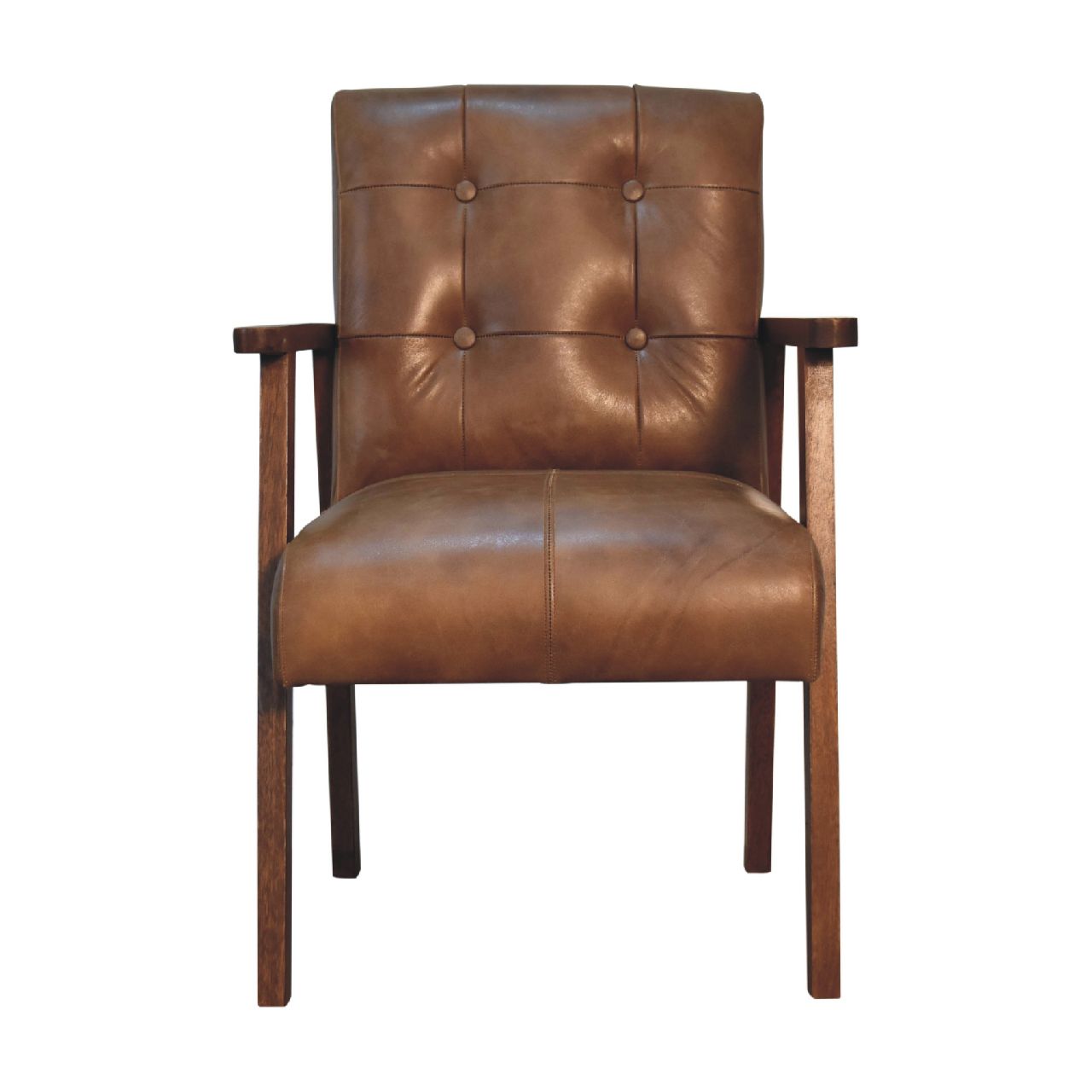
Brown Buffalo Leather Chair
- Width
- 24.4″
- Depth
- 26″
- Height
- 33.9″
To view our trade prices online
Trial our custom options to resize & change finish or upholstery

Cream Boucle Rattan Chair
- Width
- 17.3″
- Depth
- 17.3″
- Height
- 34.3″
To view our trade prices online
Trial our custom options to resize & change finish or upholstery

Writing Chair with Turned Legs
- Width
- 17.7″
- Depth
- 17.7″
- Height
- 37.4″
To view our trade prices online
Trial our custom options to resize & change finish or upholstery
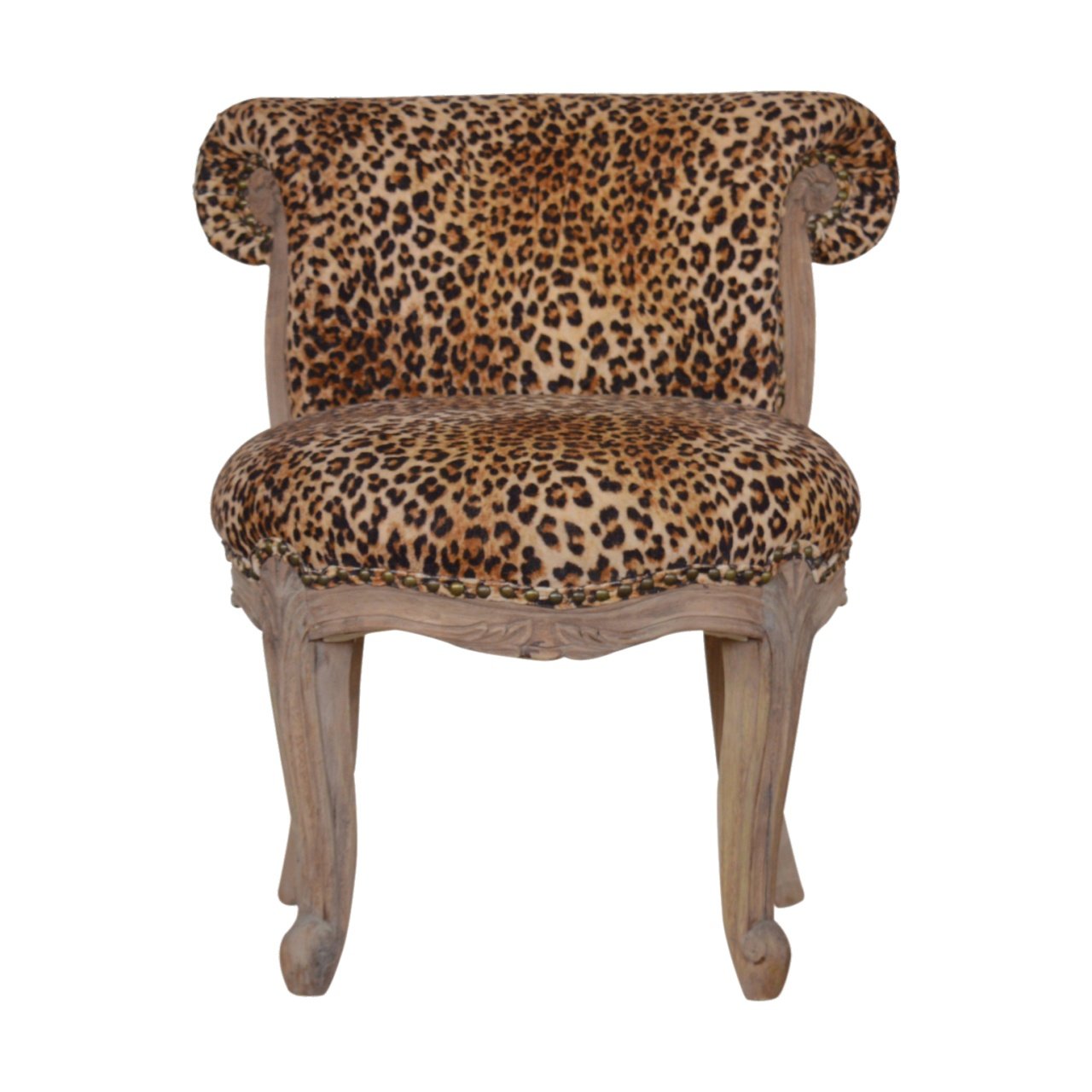
Leopard Print Studded Chair
- Width
- 19.7″
- Depth
- 19.7″
- Height
- 25.2″
To view our trade prices online
Trial our custom options to resize & change finish or upholstery
Trade Consultation
Planning a Hospitality or Commercial Project?
If your project needs solid wood specification support, custom dimensions, or finish samples, request a consultation with our trade team.