

Key Takeaway
Comparison of different cocktail shaker types provides insights into their unique features and uses.
Comparison of Different Cocktail Shaker Types
Selecting the appropriate cocktail shaker type is crucial for both amateur mixologists and professional bartenders. The right shaker not only enhances the preparation of cocktails but also influences the final drink's texture and flavor. Understanding the various types of cocktail shakers available can lead to better mixing techniques and improved overall performance in crafting beverages.
Exploring Cocktail Shaker Styles
Cocktail shakers generally fall into three main categories: Boston shakers, cobbler shakers, and French shakers. Each type has unique characteristics that cater to different mixing preferences and styles.
Boston shakers consist of two parts—a metal tin and a glass or another metal tin. This design allows for greater flexibility in shaking techniques, as well as easier cleaning due to fewer components. A study from the Bartender's Guild indicates that Boston shakers are favored by 70% of professional bartenders because they provide a larger capacity for mixing multiple drinks at once.
Cobbler shakers, on the other hand, include a built-in strainer and lid with a cap. This all-in-one design simplifies the shaking process, making it an excellent choice for beginners who may find pouring from separate components challenging. However, their smaller size limits batch preparation; thus, they might be less suitable for high-volume settings.
French shakers combine elements from both Boston and cobbler styles but lack an integrated strainer. They typically feature two metal tins that fit together snugly. While this style offers a sleek appearance favored by some bartenders, it requires additional tools like a separate strainer during service.
Evaluating Mixing Techniques
The technique used when shaking cocktails can significantly affect their quality. Each shaker type encourages different methods based on its structure.
With Boston shakers, users often employ a vigorous shaking motion known as "the shake." This method aerates ingredients effectively while chilling them rapidly—an essential factor when serving cocktails requiring ice-cold temperatures. Research shows that properly shaken cocktails can achieve up to 30% more dilution than those stirred alone.
Cobbler shakers promote a gentler approach since they are designed to minimize spillage through their integrated lid system. However, this may result in less aeration compared to Boston-style shaking methods. For those looking to create layered drinks or maintain distinct flavors among ingredients, understanding these nuances becomes vital.
French-style shaking often emphasizes control over speed and force due to its tighter seal between tins. Bartenders using this style must master precise movements; otherwise, they risk creating overly diluted mixtures or ineffective emulsification of ingredients.
Choosing Your Ideal Cocktail Shaker
When selecting your ideal cocktail shaker type, consider several factors including material composition, size options, portability features, and durability ratings.
Stainless steel is widely regarded as the best material for cocktail shakers due to its resistance to rusting and corrosion while providing optimal insulation against temperature changes during use. Additionally, weighted models offer enhanced stability during vigorous shakes—this characteristic is particularly important when preparing complex cocktails requiring significant agitation.
Size matters too; standard cocktail recipes typically require around 3-4 ounces per drink served simultaneously—thus opting for larger capacity models may facilitate batch preparations without compromising quality or efficiency during busy hours at bars or events.
Portability should also be considered if you plan on utilizing your shaker outside traditional settings such as home parties or outdoor gatherings where space constraints exist; lightweight designs can make transporting equipment much more manageable without sacrificing functionality.
Durability ratings play an essential role in ensuring longevity under frequent use conditions typical within commercial environments versus casual home applications where wear-and-tear rates differ markedly over timeframes involved with each context’s usage patterns respectively.
Relevant Trade Services
Frequently Asked Questions
Related Guides in Bar Accessories
Relevant Trade Products

Spindle Tray Side Table
- Width
- 15.8″
- Depth
- 15.8″
- Height
- 17.3″
To view our trade prices online
Trial our custom options to resize & change finish or upholstery

Travertine Top Tray Coffee Table
- Width
- 23.6″
- Depth
- 23.6″
- Height
- 15.8″
To view our trade prices online
Trial our custom options to resize & change finish or upholstery

Foldable Butler Tray
- Width
- 35.4″
- Depth
- 15.8″
- Height
- 30.7″
To view our trade prices online
Trial our custom options to resize & change finish or upholstery
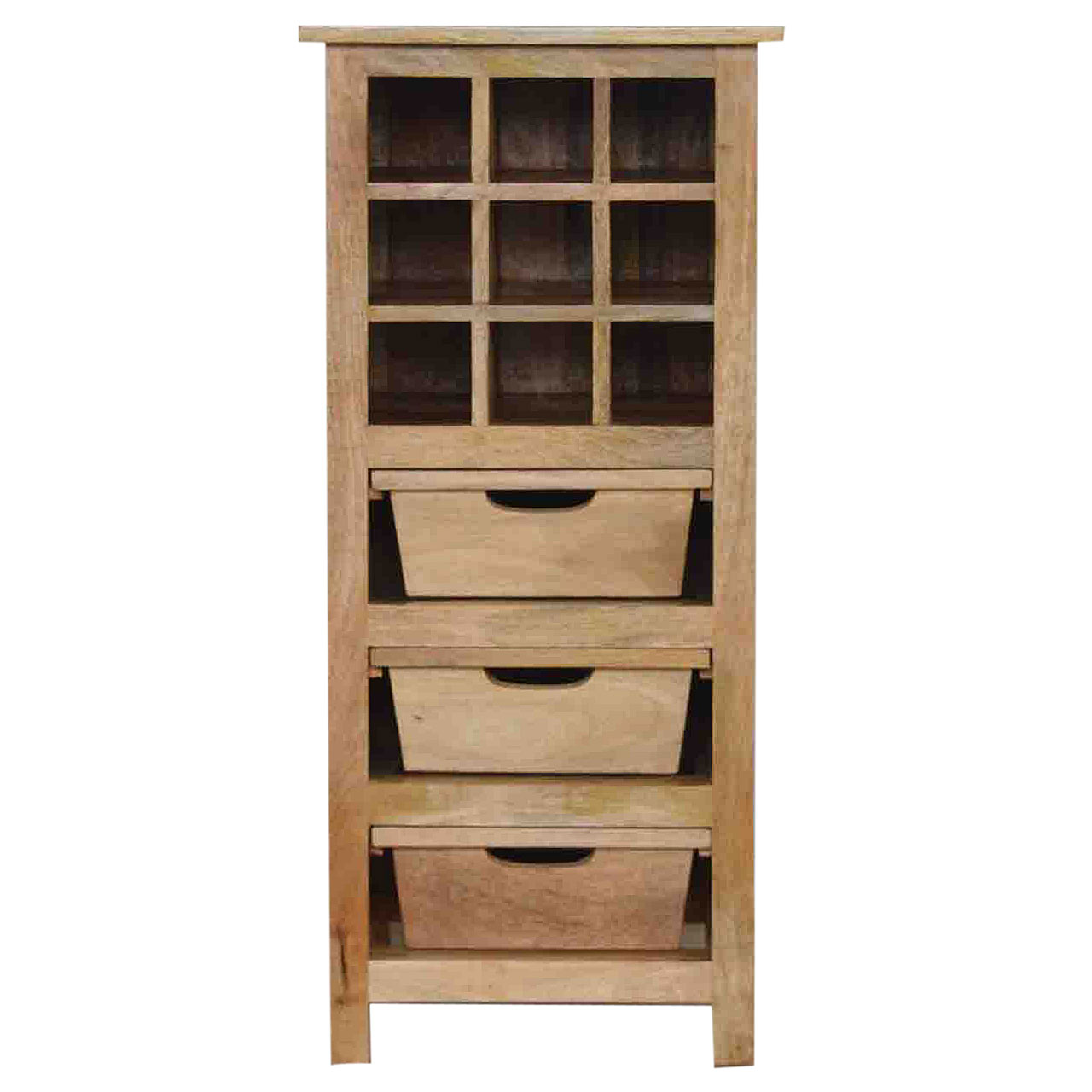
Wine Cabinet
- Width
- 17.7″
- Depth
- 15.8″
- Height
- 39.4″
To view our trade prices online
Trial our custom options to resize & change finish or upholstery

Nordic Style Wine Cabinet
- Width
- 25.6″
- Depth
- 15.8″
- Height
- 37.4″
To view our trade prices online
Trial our custom options to resize & change finish or upholstery
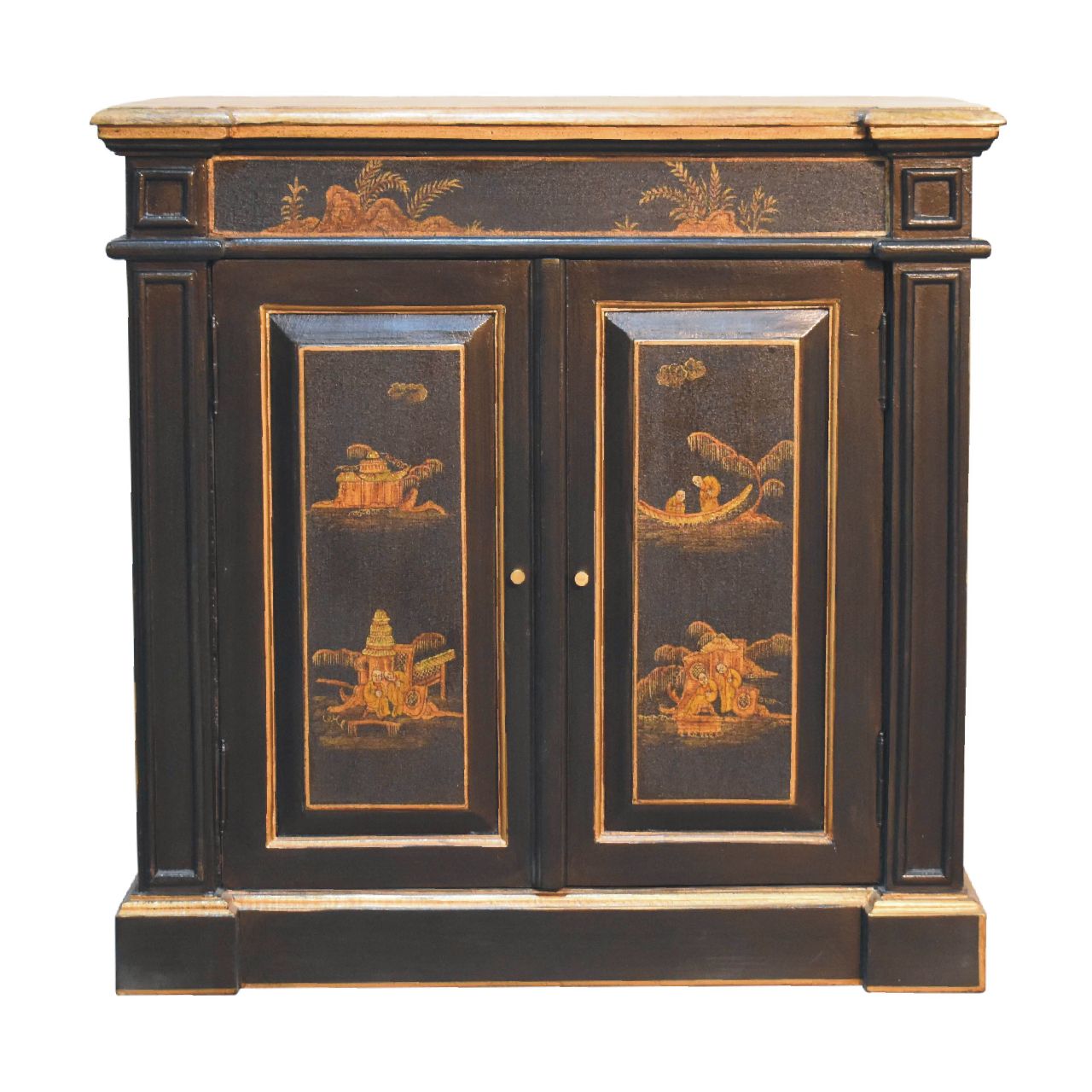
Oriental Wine Cabinet
- Width
- 31.5″
- Depth
- 15.8″
- Height
- 31.5″
To view our trade prices online
Trial our custom options to resize & change finish or upholstery
Trade Consultation
Planning a Hospitality or Commercial Project?
If your project needs solid wood specification support, custom dimensions, or finish samples, request a consultation with our trade team.