
Key Takeaway
guide to selecting seating for collaborative spaces that enhance teamwork and productivity.
Guide to Selecting Seating for Collaborative Spaces
Selecting seating for collaborative spaces involves understanding the dynamics of teamwork and the specific needs of your environment. The right seating choices can significantly enhance productivity, improve collaboration, and create a comfortable atmosphere conducive to communication. This guide will explore critical factors in choosing effective seating solutions tailored for collaborative workspaces.
Factors to Consider When Selecting Seating
When evaluating seating options for collaborative environments, several key factors come into play. First, consider ergonomics; ergonomic chairs are designed to support posture and reduce discomfort during prolonged use. Research indicates that ergonomic furniture can lead to a 25% increase in worker productivity. Additionally, flexibility is crucial; modular units allow for easy reconfiguration based on team size or project requirements.
Another important factor is aesthetics. The visual appeal of furniture can influence employee morale and creativity. According to studies by ASID (American Society of Interior Designers), well-designed spaces contribute positively to employee satisfaction levels. Therefore, selecting seating that aligns with your brand identity while promoting an inviting atmosphere should be prioritized.
Choosing Furniture for Collaboration
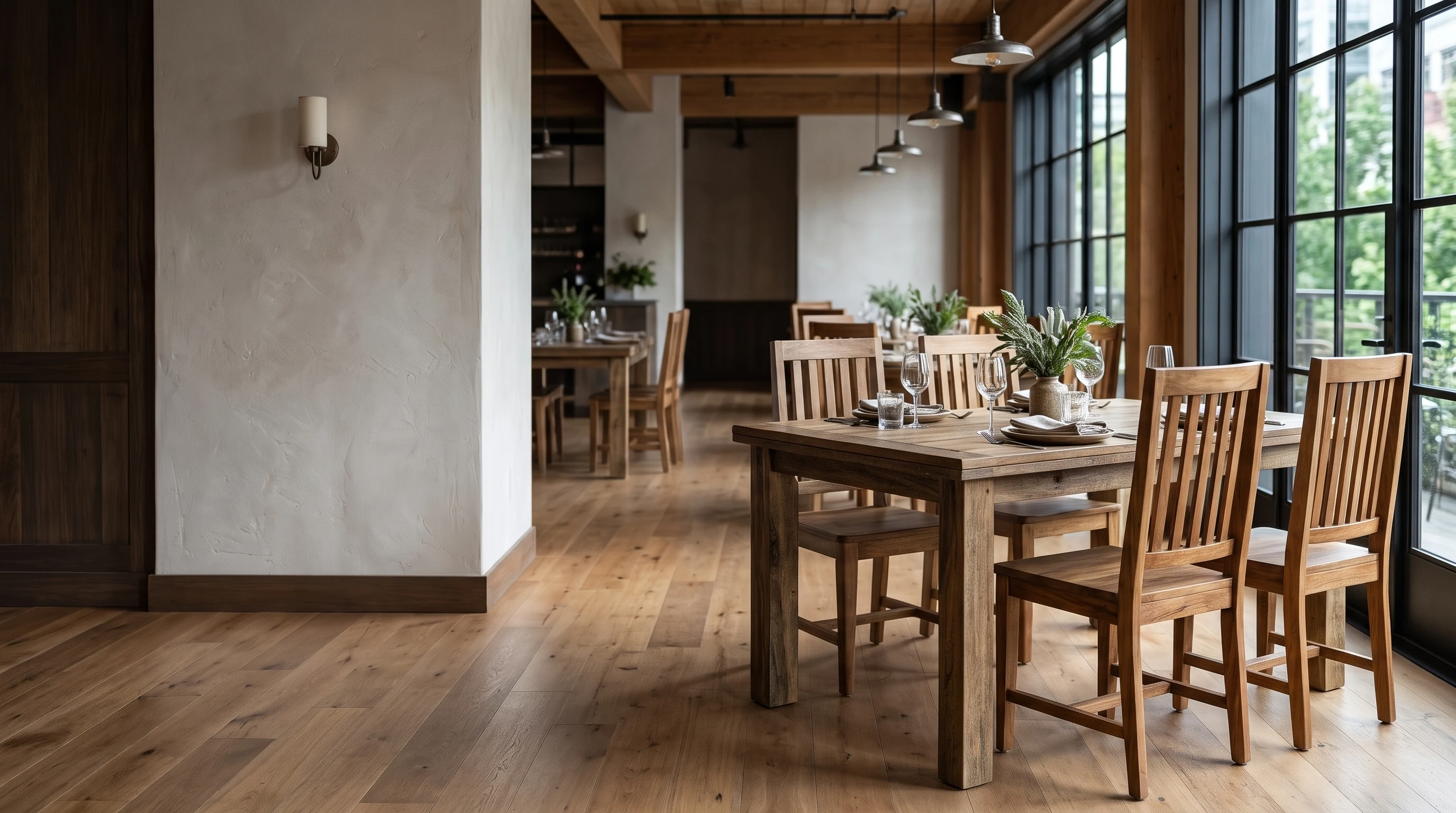
The selection process begins with identifying the primary functions of your collaborative space. Will it serve as a brainstorming hub or a meeting area? Understanding these roles helps narrow down suitable furniture arrangements. For example, communal tables paired with flexible seating can facilitate group discussions effectively.
Moreover, assess the available space dimensions before making decisions about furniture layouts. A common mistake is overcrowding areas with oversized pieces that hinder movement and interaction among team members. Aim for configurations that promote engagement without sacrificing comfort or accessibility.
Best Seating Options for Teamwork
Several types of seating options cater specifically to collaborative settings:
Chairs: Task chairs offer mobility and adjustability, which are essential in dynamic environments where employees shift between tasks.
Benches: These encourage informal interactions among teams while providing ample space for multiple users.
Sofas: Ideal for relaxed brainstorming sessions or casual meetings, sofas create an inviting atmosphere conducive to open dialogue.
Modular Units: These versatile pieces adapt easily as needs change over time, allowing you to optimize workspace functionality continuously.
Each option has its advantages depending on how teams operate within your organization’s culture.
Tips for Workspace Design
Designing an effective workspace goes beyond merely selecting furniture; it encompasses creating an environment that fosters collaboration through thoughtful layout planning. Start by mapping out zones dedicated to different activities—quiet areas for focused work versus open spaces meant for group interactions.
Incorporate elements like whiteboards or writable surfaces near seating areas; this encourages spontaneous idea generation during discussions. Furthermore, ensure adequate lighting throughout the space since natural light has been shown to boost mood and concentration levels significantly.
Addressing Common Challenges
While designing collaborative spaces presents opportunities, challenges may arise regarding noise control and privacy concerns among team members working closely together. To mitigate distractions without isolating individuals completely:
- Utilize acoustic panels strategically placed around high-noise zones.
- Offer semi-private nooks equipped with soft furnishings where small groups can engage without disturbing others.
- Encourage a culture of respect around shared resources by establishing guidelines on usage etiquette within communal areas.
By proactively addressing these issues during design phases, organizations can cultivate productive environments tailored explicitly toward teamwork enhancement.
Selecting appropriate seating solutions requires careful consideration aligned with organizational goals while prioritizing user experience across various contexts within shared workspaces—ultimately leading towards improved outcomes both individually and collectively amongst teams involved in creative endeavors or problem-solving tasks alike!
Relevant Trade Services
Frequently Asked Questions
Related Guides in Seating Arrangements
Relevant Trade Products
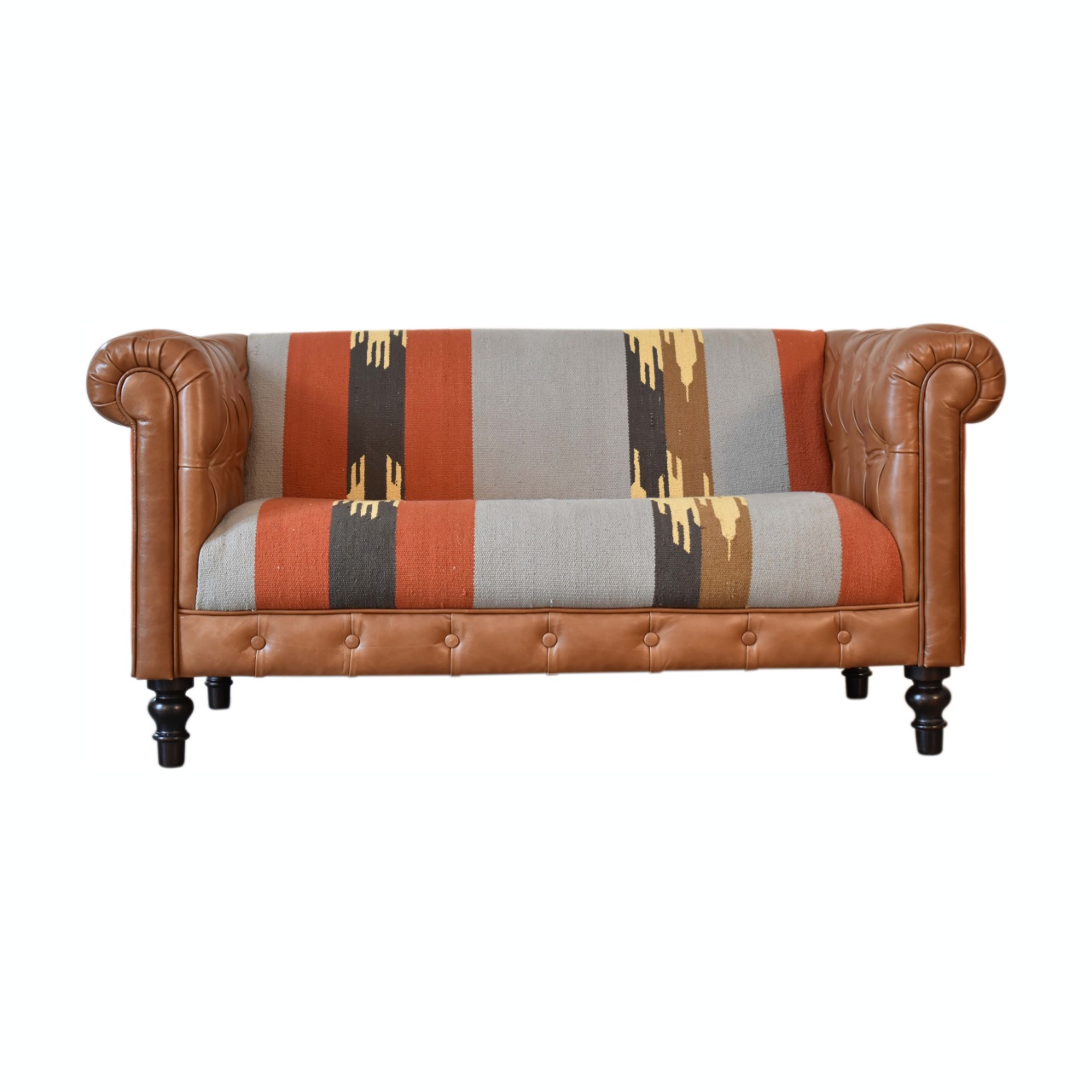
Durrie & Leather Mixed Sofa
- Width
- 59.1″
- Depth
- 31.5″
- Height
- 29.9″
To view our trade prices online
Trial our custom options to resize & change finish or upholstery
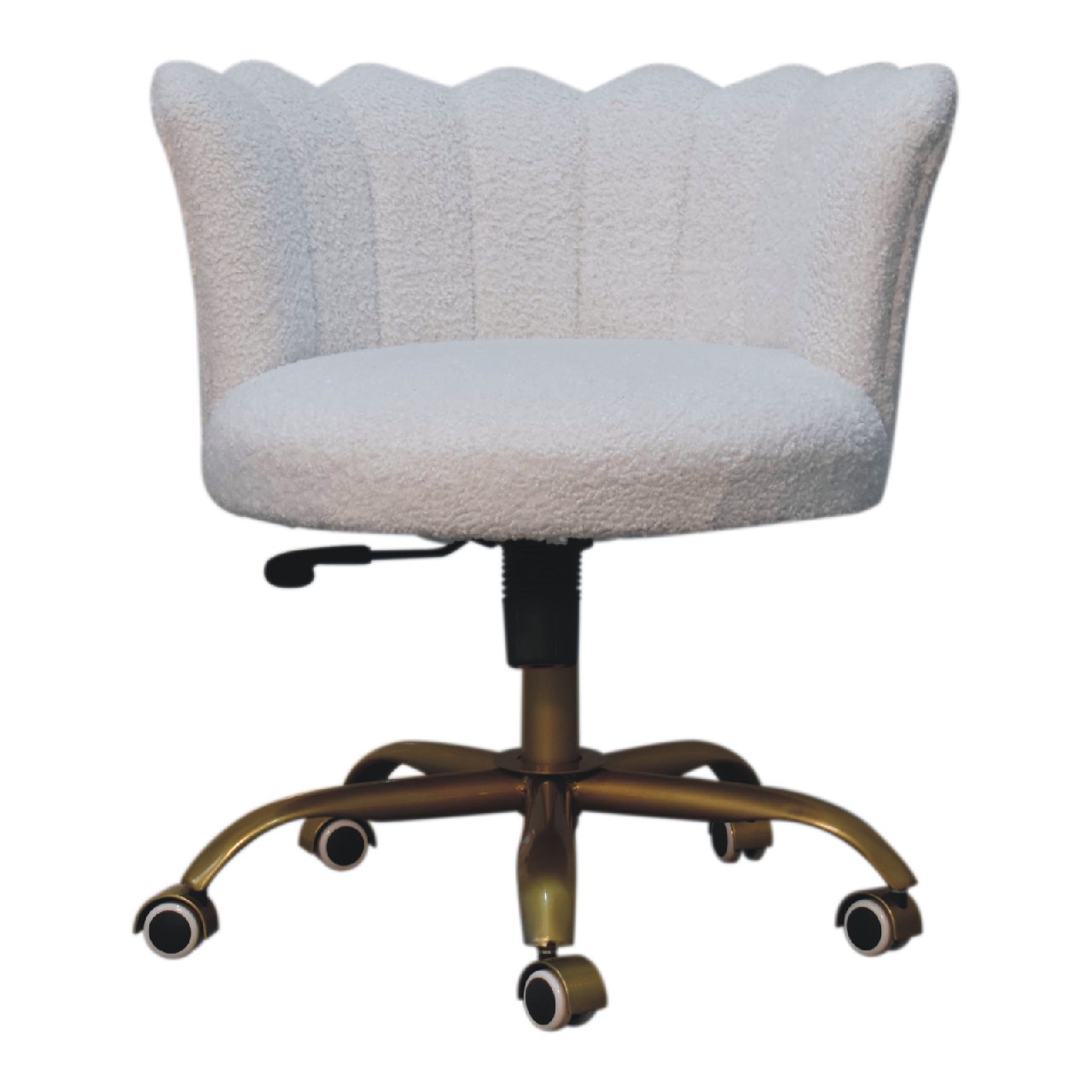
White Boucle Swivel Chair
- Width
- 26.8″
- Depth
- 22.8″
- Height
- 29.5″
To view our trade prices online
Trial our custom options to resize & change finish or upholstery

Olive Buffalo Leather Chair
- Width
- 24.4″
- Depth
- 26″
- Height
- 33.9″
To view our trade prices online
Trial our custom options to resize & change finish or upholstery
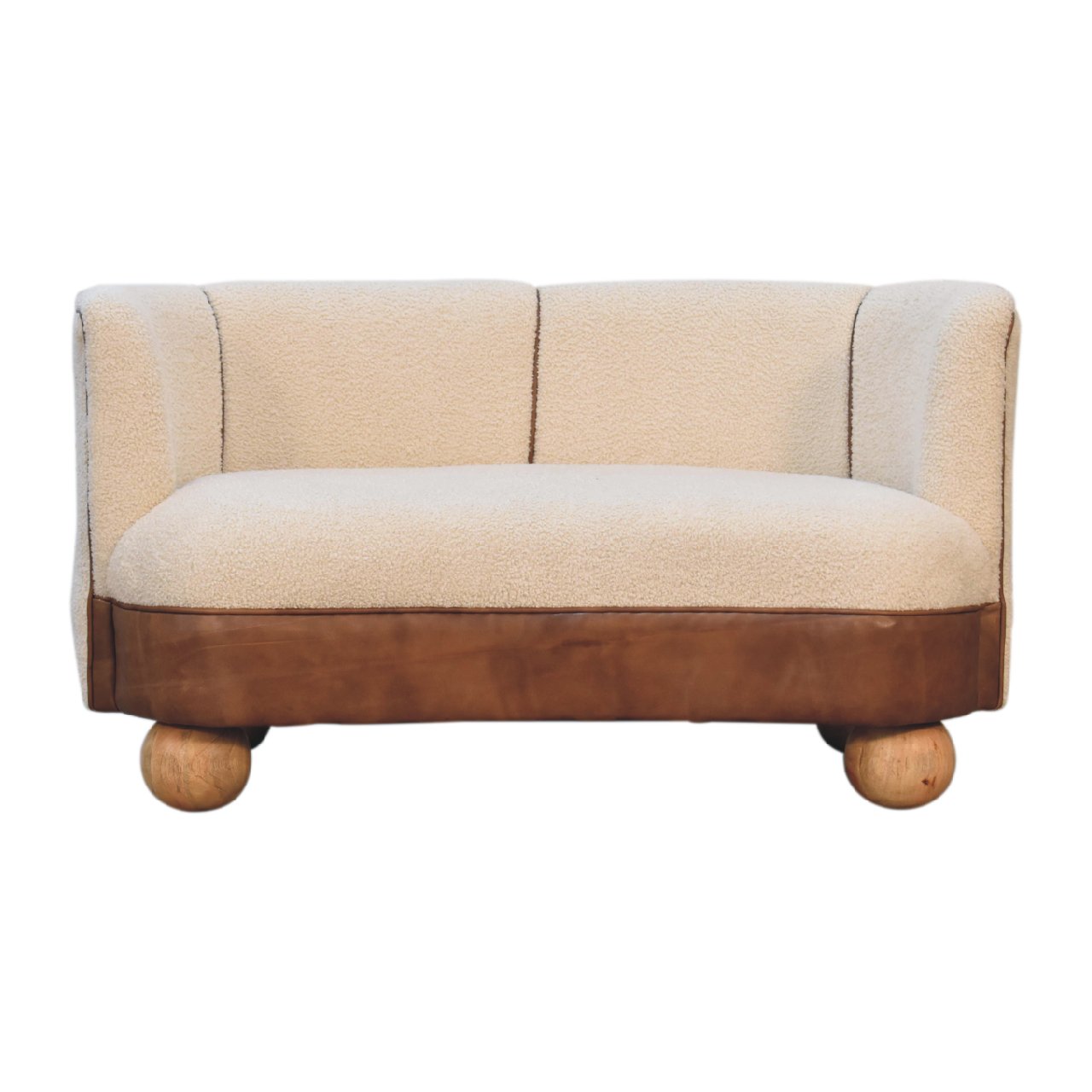
Boucle Cream Buffalo Small Sofa
- Width
- 52″
- Depth
- 25.6″
- Height
- 28.7″
To view our trade prices online
Trial our custom options to resize & change finish or upholstery

White Boucle Minimalistic Chair
- Width
- 24.4″
- Depth
- 23.6″
- Height
- 33.5″
To view our trade prices online
Trial our custom options to resize & change finish or upholstery

Cream Boucle Swivel Chair
- Width
- 25.6″
- Depth
- 21.7″
- Height
- 29.5″
To view our trade prices online
Trial our custom options to resize & change finish or upholstery
Trade Consultation
Planning a Hospitality or Commercial Project?
If your project needs solid wood specification support, custom dimensions, or finish samples, request a consultation with our trade team.