
Key Takeaway
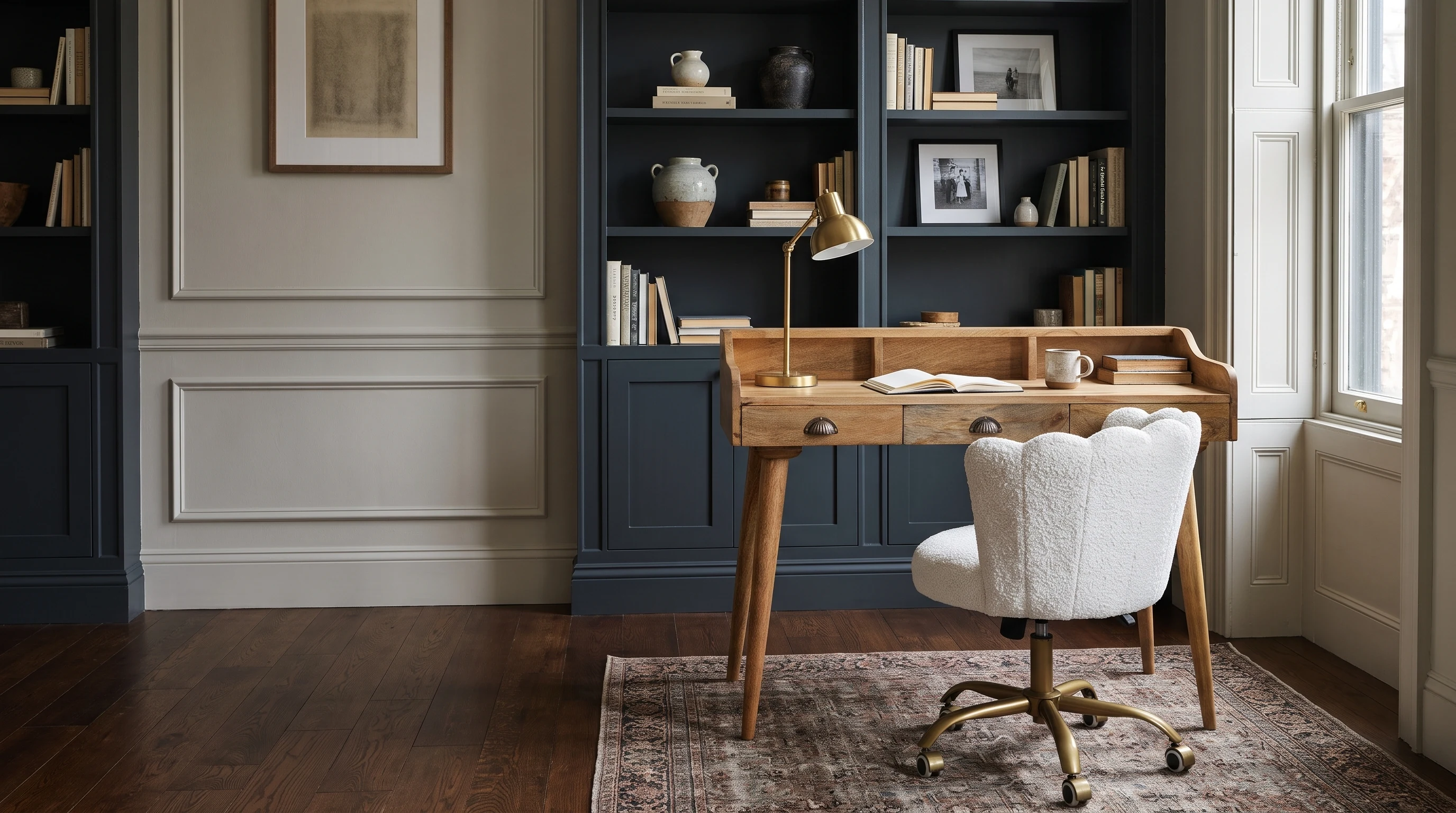
office desk material specifications help ensure the right choice for your workspace needs.
Understanding Office Desk Material Specifications
Office desk material specifications play a crucial role in determining the functionality, durability, and aesthetic appeal of workspaces. Choosing the right materials is essential for ensuring that office furniture meets both operational needs and design standards. This analysis will explore various types of desk materials, their specifications, and how they influence workspace effectiveness.
Common Office Desk Materials
The most prevalent materials used in office desks include wood, metal, laminate, glass, and particleboard. Each material type has unique properties that affect its suitability for different environments.
Wood is often favored for its durability and timeless appearance. Solid wood desks can last decades when properly maintained; however, they may come at a higher cost compared to other options. According to the American Home Furnishings Alliance (AHFA), solid wood furniture can have an average lifespan of 50 years or more.
Metal desks are recognized for their strength and modern aesthetic. They are typically resistant to scratches and dents but may be prone to rust if not treated correctly. The BIFMA (Business + Institutional Furniture Manufacturers Association) sets standards for metal finishes that ensure longevity under commercial use.
Laminate surfaces offer versatility with a wide range of colors and patterns while being relatively inexpensive. They are easy to clean but may not withstand heavy usage as well as solid wood or metal alternatives.
Glass desktops provide a sleek look but require careful handling due to fragility. Tempered glass can enhance safety by reducing the risk of shattering; however, it still requires regular maintenance to avoid fingerprints and smudges.
Particleboard is often used in budget-friendly office furniture solutions due to its low cost; however, it lacks the durability of solid wood or metal options. It is important to note that particleboard can emit formaldehyde fumes unless manufactured with low-emission adhesives.
Key Specifications That Matter
When evaluating desk materials, several specifications should be considered: thickness, finish quality, weight capacity, surface treatment, and compliance with industry standards such as ANSI/BIFMA.
Thickness affects both stability and aesthetics; thicker surfaces generally provide better support but add weight. For instance, a typical laminate desktop might range from 1 inch to 1-1/4 inches thick depending on intended use.
Finish quality impacts both visual appeal and resistance against wear-and-tear factors like scratches or stains. High-pressure laminates tend to outperform lower-quality finishes in terms of durability.
Weight capacity is another critical specification—desks must support not only the weight of equipment like computers but also additional items such as books or decorative elements without compromising structural integrity.
Surface treatments can enhance usability by providing features such as anti-glare finishes or antimicrobial coatings which are increasingly relevant in shared workspaces post-pandemic.
Lastly, compliance with ANSI/BIFMA ensures that products meet rigorous safety standards which guarantee user protection during everyday operations.
Evaluating Your Options
Selecting appropriate desk materials involves weighing various factors including functionality versus aesthetics while considering long-term investment value against immediate costs. It’s advisable first to define your workspace requirements based on employee roles before proceeding with material selection.
For example:
Durability Needs: If your environment experiences high traffic levels (e.g., co-working spaces), opt for robust materials like steel frames combined with laminate tops.
Aesthetic Preferences: In creative industries where design matters greatly—consider using wooden desks paired with vibrant colors or textures.
Budget Constraints: For startups operating on tight budgets yet wanting style—laminate desks could offer an ideal balance between affordability without sacrificing appearance significantly.
Ultimately understanding these specifications allows you to make informed decisions regarding your office furnishings leading towards enhanced productivity levels across teams within any organization.
Relevant Trade Services
Frequently Asked Questions
Related Guides in Desk Types
Relevant Trade Products
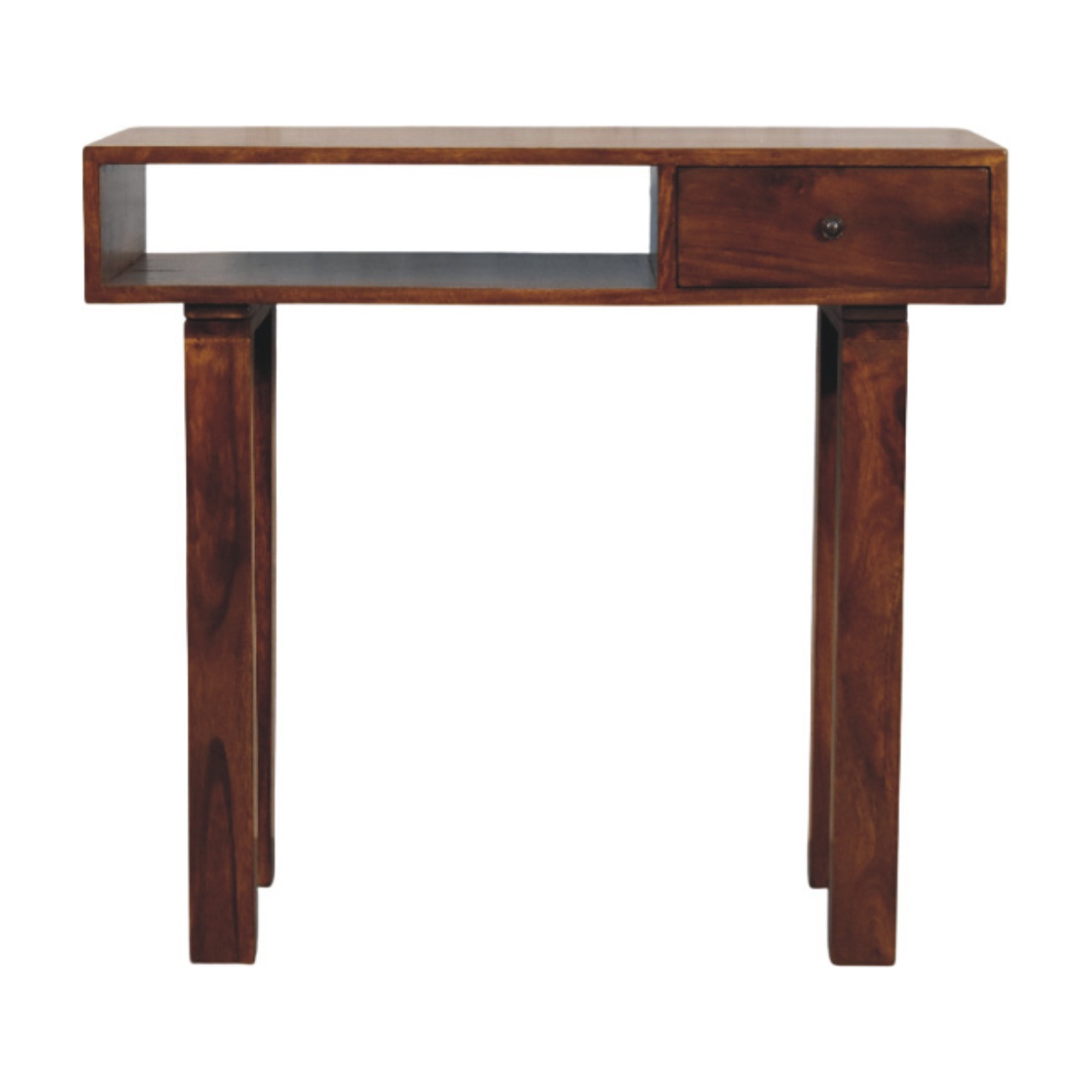
Tula 1 Drawer Chestnut Writing Desk
- Width
- 34.7″
- Depth
- 17.7″
- Height
- 31.5″
To view our trade prices online
Trial our custom options to resize & change finish or upholstery
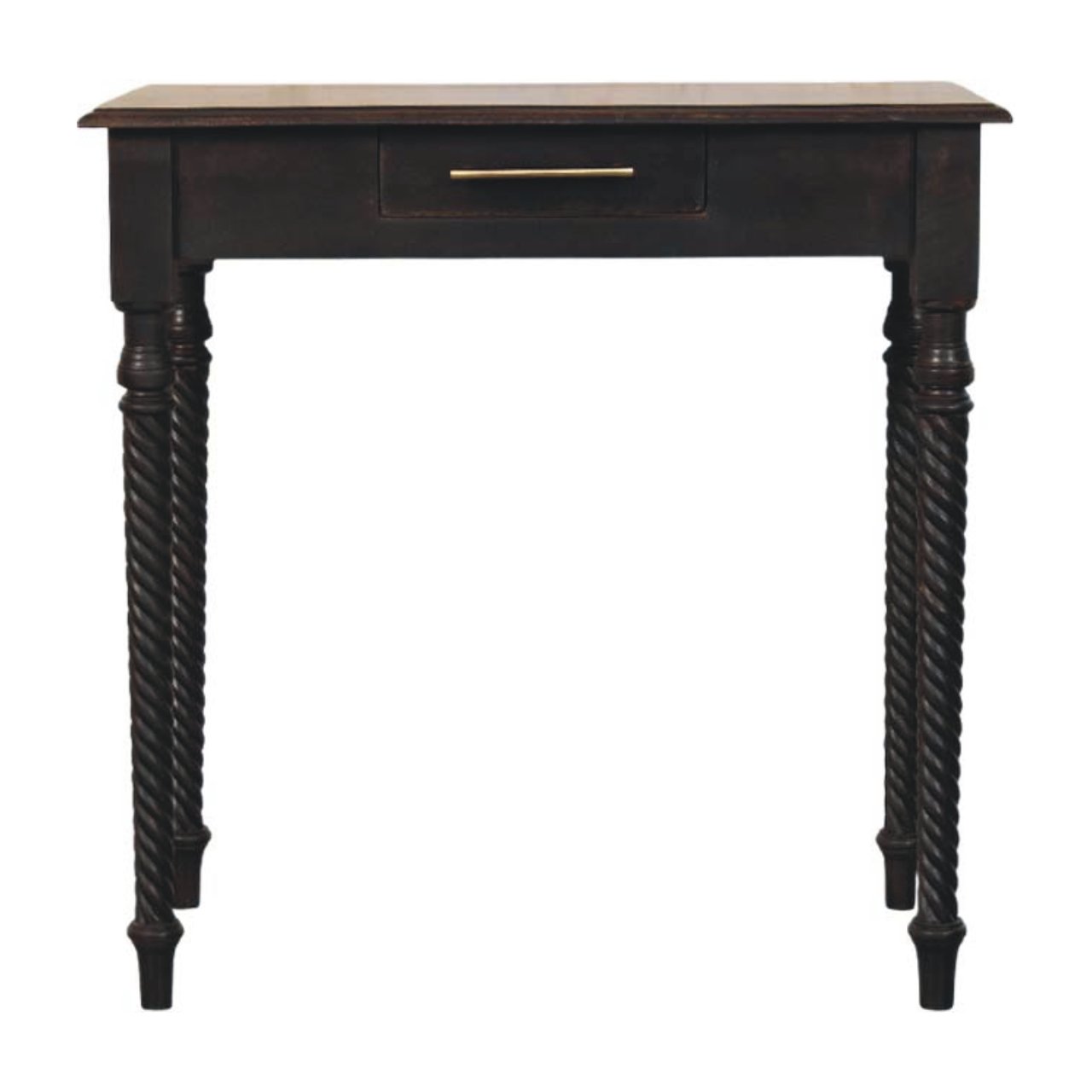
Cordelier Turned-Leg Writing Desk
- Width
- 31.5″
- Depth
- 17.7″
- Height
- 31.5″
To view our trade prices online
Trial our custom options to resize & change finish or upholstery
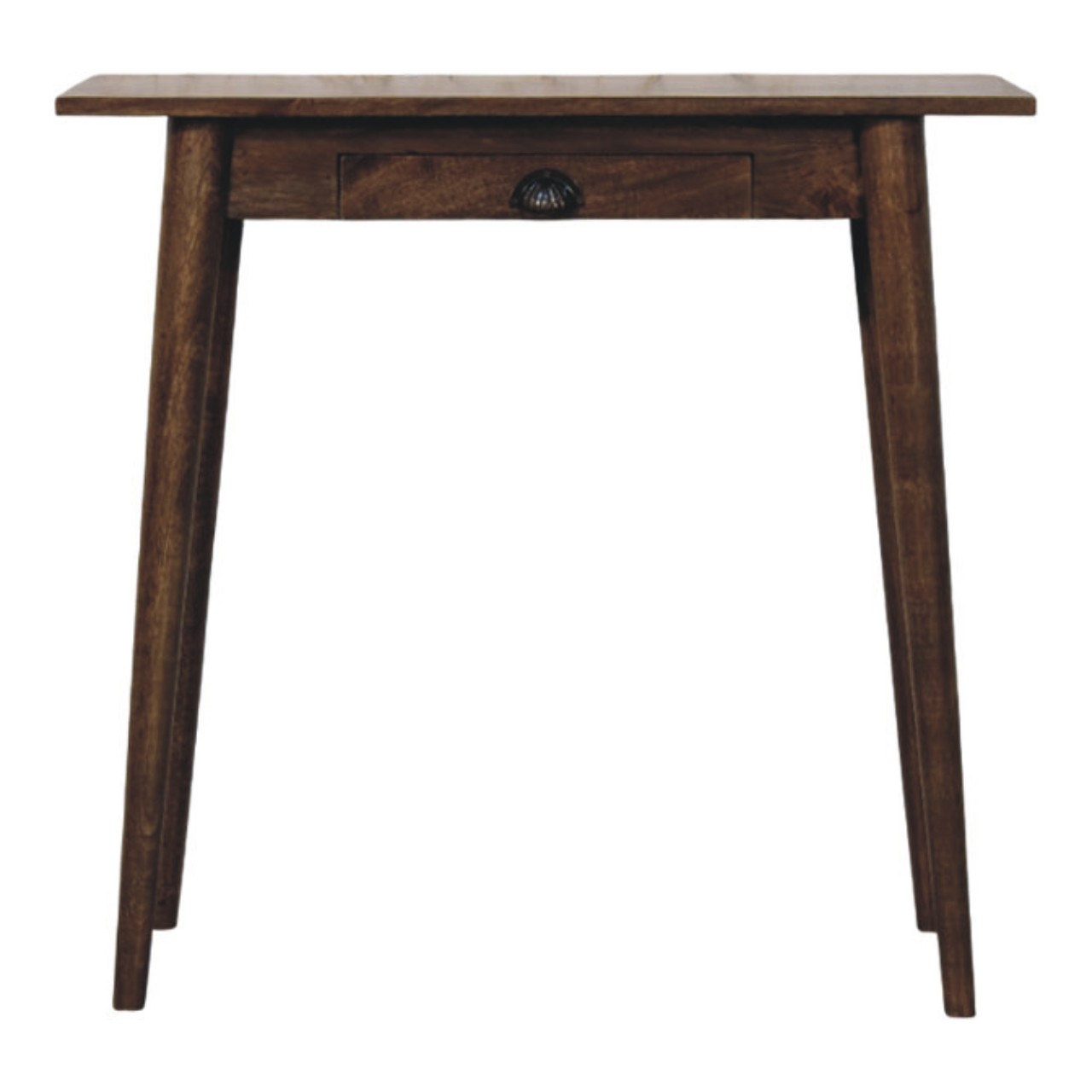
Nordic Writing Desk in Classic Grey
- Width
- 31.5″
- Depth
- 13.8″
- Height
- 30.3″
To view our trade prices online
Trial our custom options to resize & change finish or upholstery

Oakish Turned Leg Writing Desk
- Width
- 31.5″
- Depth
- 17.7″
- Height
- 31.5″
To view our trade prices online
Trial our custom options to resize & change finish or upholstery

Heritage Turned-Leg Desk
- Width
- 31.5″
- Depth
- 17.7″
- Height
- 31.5″
To view our trade prices online
Trial our custom options to resize & change finish or upholstery

Bamboo Writing Desk
- Width
- 33.5″
- Depth
- 17.7″
- Height
- 31.5″
To view our trade prices online
Trial our custom options to resize & change finish or upholstery
Trade Consultation
Planning a Hospitality or Commercial Project?
If your project needs solid wood specification support, custom dimensions, or finish samples, request a consultation with our trade team.